Iran War Disruption Threatens UK Food Supply Chain with CO2 Shortages
Government ministers are actively developing contingency plans for potential carbon dioxide shortages that could impact supermarket shelves across the United Kingdom this summer. The disruption stems from the ongoing conflict in Iran, which threatens to close critical shipping lanes essential for CO2 supplies.
Critical Shipping Lane at Risk
The strategic Strait of Hormuz, a vital maritime passageway, faces potential prolonged closure due to escalating tensions in the Middle East. This closure would severely disrupt the supply of carbon dioxide required by numerous sectors of the British food industry. Officials from multiple government departments, including Number 10, the Treasury, and the Ministry of Defence, have conducted a comprehensive planning operation named Exercise Turnstone to prepare for various scenarios.
This emergency planning exercise, organized through the government's COBRA committee, anticipates multiple simultaneous disruptive events. These include the continued closure of the Strait of Hormuz through June, the absence of a permanent peace agreement between the United States and Iran, and potential mechanical failures at key UK CO2 production facilities.

Essential Uses of Carbon Dioxide
Carbon dioxide serves critical functions across multiple industries, with particularly significant applications in food production and healthcare:
- Livestock Processing: CO2 is essential for the humane slaughter of pigs and chickens through stunning procedures
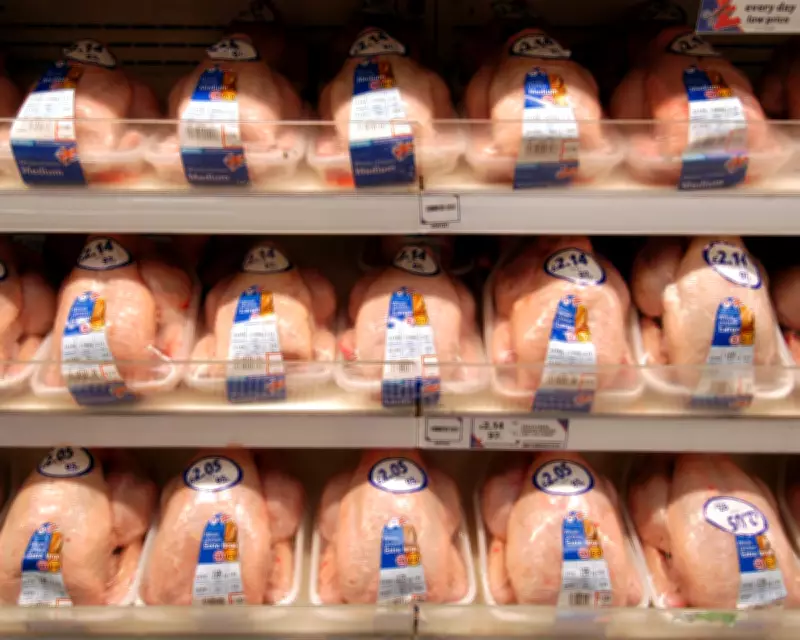
- Food Preservation: The gas extends shelf life by inhibiting bacterial growth in packaged meats, fresh produce, salads, and baked goods
- Beverage Production: Carbonation of fizzy drinks and beer requires substantial CO2 supplies
- Refrigeration Systems: Cooling mechanisms for food storage and transportation depend on the gas
- Medical Applications: Surgical procedures, MRI scans, and nuclear power plant cooling systems all utilize carbon dioxide
Government Response and Industry Perspective
Business Secretary Peter Kyle emphasized that contingency planning should reassure the public rather than cause alarm. "The public need to be reassured that we are doing this kind of planning and we are doing this kind of scenario planning," Kyle stated during a media interview. He described the leak of planning details as "unhelpful" while confirming that CO2 supplies currently present "not a concern" for the UK economy.
The government has taken proactive measures, including a £100 million investment to reopen the previously mothballed Ensus bioethanol plant on Teesside. This facility will operate for three months to bolster domestic CO2 production capacity. A government spokesperson clarified that "reasonable worst-case scenarios are a planning tool used by experts and are not a prediction of future events."
Retail Sector Preparedness
Tesco Chief Executive Ken Murphy acknowledged the government's prudent planning while reporting no current supply chain disruptions. "We have seen nothing at this point in terms of problems within our supply chain caused by issues with CO2 availability," Murphy confirmed. He welcomed the reopening of the Teesside plant as a sensible precautionary measure.
The supermarket executive highlighted Tesco's extensive experience managing supply chain challenges through multiple recent crises, including the COVID-19 pandemic and Brexit adjustments. "We are constantly working on various scenarios internally," Murphy explained, noting that recent weather disruptions in southern Spain and North Africa had presented greater immediate challenges than potential CO2 shortages.
Any significant CO2 shortages would coincide with increased demand from breweries preparing for the summer football World Cup, which begins on June 11th. The United Kingdom ranks among Europe's largest consumers of carbon dioxide, making supply continuity particularly crucial for maintaining normal economic operations across multiple sectors.