Wealthy Dubai Residents Rush Back Amid Missile Strikes to Secure Tax Status
While many expats and tourists are desperately fleeing Dubai as Iran rains down missiles, a surprising group is racing in the opposite direction. Wealthy Dubai residents stranded overseas are chartering private flights to return home, motivated by the need to maintain favourable tax conditions in the United Arab Emirates.
Tax Residency Rules Drive Urgent Returns
To qualify as a tax resident in the UAE, individuals must spend 183 days within any consecutive 12-month period in the country. However, those who split their time between the UK and UAE face a dilemma. British resident status can be triggered by spending as little as 46 days in the UK, subjecting them to harsher tax conditions. This has prompted a frantic scramble to meet the UAE's minimum day requirement before the fiscal year ends.
Charles Robinson, founder of the private jet marketplace EnterJet, reported receiving multiple requests for flights into the region. He told the Financial Times that the cost of chartering a plane is 'far lower than their potential tax bill if they miss the minimum days.' Robinson added, 'With minimum required days within an individual’s fiscal year to gain benefit from the tax regime, some appear to be requiring a return to the region to complete their days.'

Impact of War on Tax and Mobility
Ronald Graham, a tax lawyer based in Dubai, noted a surge in enquiries from foreigners living in the city about how the conflict with Iran affects their tax status. He explained that the wealthy 'really value the ability to move and work wherever they want, when they want, and when something like the Iran war disrupts it, they don’t like it.' This disruption has forced many to reassess their residency plans amid the chaos.
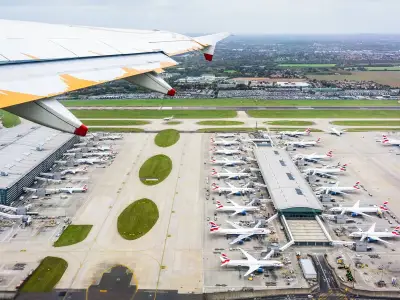
While tax concerns are a primary driver, others are trying to reunite with families caught in the crossfire. Meanwhile, many Brits are racing back to safety, with flights beginning to land as airspace gradually reopens.
Destruction and Exodus in Dubai
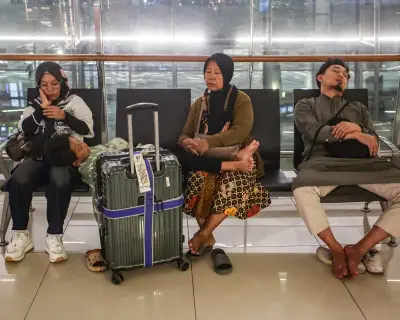
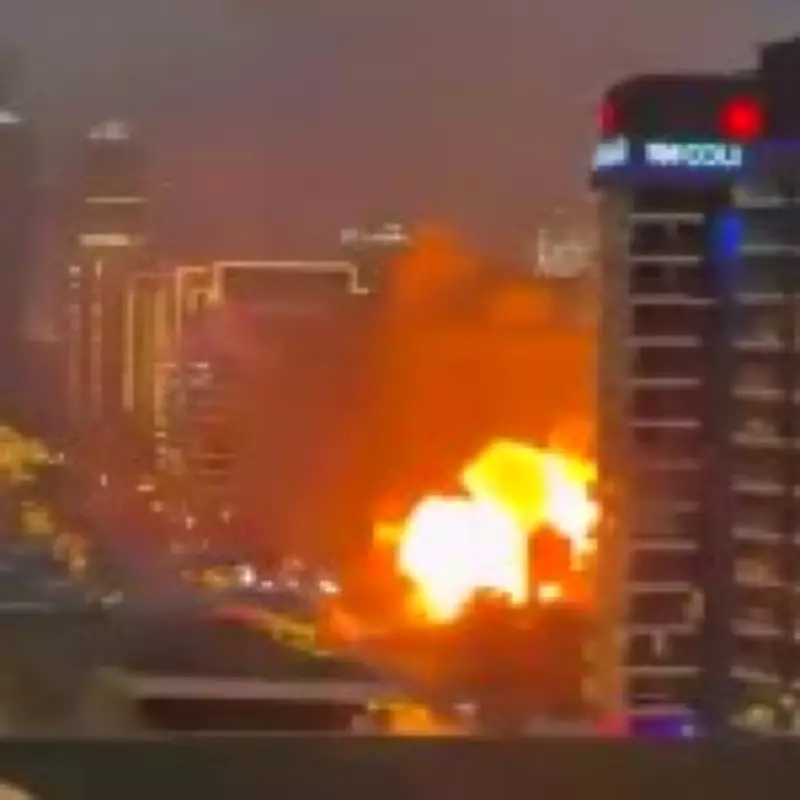
Dubai has been hit by a barrage of drone and missile attacks, with iconic landmarks like the Burj Al Arab hotel and Palm Jumeirah damaged in the strikes. The UAE has intercepted Iranian missiles from above, but the attacks have caused carnage in apartment blocks and infrastructure, triggering a mass exodus of expats. Routes out are limited due to mainly closed airspace, adding to the desperation.
Most arrivals today expressed relief. Chris and Nicky Weare from Bristol paid £12,000 for tickets, among hundreds of Brits battling to escape. Nicky, 47, described the situation as 'very frightening,' noting, 'We saw drones being intercepted and a bomb hitting the harbour. The government denies it’s serious, but it’s far from ok—it’s like the Titanic, the band is playing on as the ship sinks.' Chris echoed this sentiment, comparing it to a horse racing meeting where normalcy persists amidst disaster.
This crisis highlights the complex interplay of global mobility, tax planning, and security, as wealthy individuals navigate unprecedented challenges to protect their financial and personal interests.