
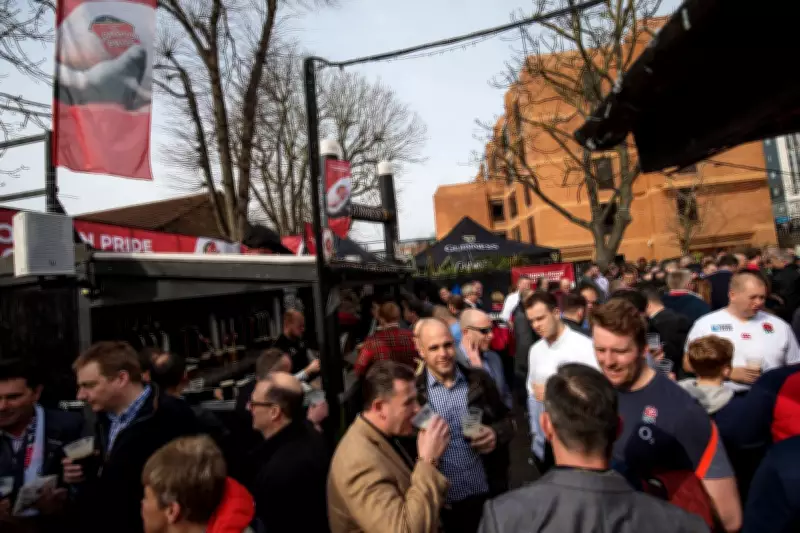
As the Guinness Six Nations rugby championship kicks off across Britain, the nation will engage in its cherished traditions: heated debates over refereeing decisions, meticulous analysis of scrums, and the consumption of a respectable quantity of beer. While the athletic contests unfold on the pitch, another significant battle is being waged in pubs, social media feeds, and group chats throughout the country.
The Unrivalled Power of Live Sport for Brands
For beer companies and other consumer brands, live sporting events represent one of the final frontiers where audience attention remains concentrated, communal, and emotionally charged. This makes major tournaments like the Six Nations prime commercial territory, fiercely contested by marketers seeking to capture the public's imagination.
Guinness has established remarkable dominance over the Six Nations through decades of consistent presence. The iconic dark stout has become woven into the very fabric of matchday rituals, ordered before kick-off, raised during national anthems, and shared long after the final whistle blows. This level of brand ownership presents a significant challenge for competitors seeking to disrupt the status quo.
Redefining Brand Engagement in Modern Media
In today's fragmented media landscape, simply securing "official beer" status no longer guarantees meaningful audience engagement. Viewers scroll past advertisements in seconds, making visibility relatively easy to achieve but genuine connection increasingly difficult to establish.
The brands making genuine progress are those behaving less like established incumbents and more like agile challengers. They're carving out specific communities, subcultures, and moments around sporting events rather than attempting blanket coverage.
Innovative Approaches from Global Brands
Heineken's work around the UEFA Champions League demonstrates how far forward-thinking brands are willing to go to enhance fan experiences. In South Korea, where Champions League matches often begin at 4am and licensed venues remain scarce, the company created innovative '24/7 Trust Bars.'
These unmanned, self-service spaces allowed football enthusiasts to watch matches together, paying via automated terminals while operating on a simple premise of mutual trust. This initiative represented a solution rooted in genuine fan behaviour rather than conventional branding tactics, creating local opportunities to participate in global conversations by solving a real problem supporters faced.
Rugby's Evolving Fan Landscape
While football demonstrates where fan experiences might progress, rugby reveals where they're already evolving, with traditions remaining intact while fandom discovers new forms and spaces for gathering.
Alongside the established men's competitions, women's rugby has experienced rapid growth, with fandom developing around different spaces and behaviours. These include smaller watch-along gatherings, tighter-knit communities, and a stronger emphasis on shared values.
Asahi Super Dry's campaign during last year's Women's Rugby World Cup effectively leaned into these emerging realities. Rather than focusing exclusively on major broadcast moments, the brand paid attention to where fans were actually watching matches, particularly targeting pubs that had rarely shown women's rugby previously.
The Asahi Open Arms Initiative
The Asahi Open Arms, a fan-focused pub establishment in London's Shoreditch district, wasn't conceived as a flashy marketing stunt. Instead, it represented a simple idea rooted in observable behaviour: provide supporters with a venue where they knew matches would be shown, the atmosphere would remain welcoming, and they could gather among fellow enthusiasts who genuinely cared about the sport.
This straightforward concept expanded significantly, with more than 1,200 pubs across Britain committing to show women's rugby matches. What had previously been a difficult-to-find viewing experience transformed into a widely shared communal event, demonstrating the power of addressing genuine fan needs.
The Business Perspective on Sports Marketing
The crucial insight isn't that any single brand has discovered the perfect formula. Rather, relevance in contemporary sports marketing emerges from a breadth of authentic voices rather than a solitary corporate message. Players, supporters, content creators, and publishers all contribute to shaping how sporting events are experienced, making global participation locally relevant.
Brands that understand this dynamic tend to feel more authentic and resonate more effectively with their target audiences. There's also a longer strategic game at play, as the strongest business results rarely emerge from parachuting into major moments but instead develop through sustained commitment over time.
The Enduring Value of Consistency
Choosing the appropriate sporting and cultural territory matters profoundly because once a brand establishes presence, maintaining consistency becomes essential. Regular engagement builds trust among supporters, trust fosters lasting memories, and those memories ultimately drive return engagement and loyalty.
The enduring partnership between Guinness and Six Nations rugby powerfully demonstrates this principle in action. For observers analysing through a commercial lens, the lesson remains clear: live sport continues to deliver impressive scale, but scale alone cannot secure meaningful connection.
The brands succeeding during this Six Nations championship will be those that enhance the moment rather than interrupt it, understanding that sponsorship represents merely the starting whistle rather than the final score in the ongoing competition for fan allegiance and commercial success.




