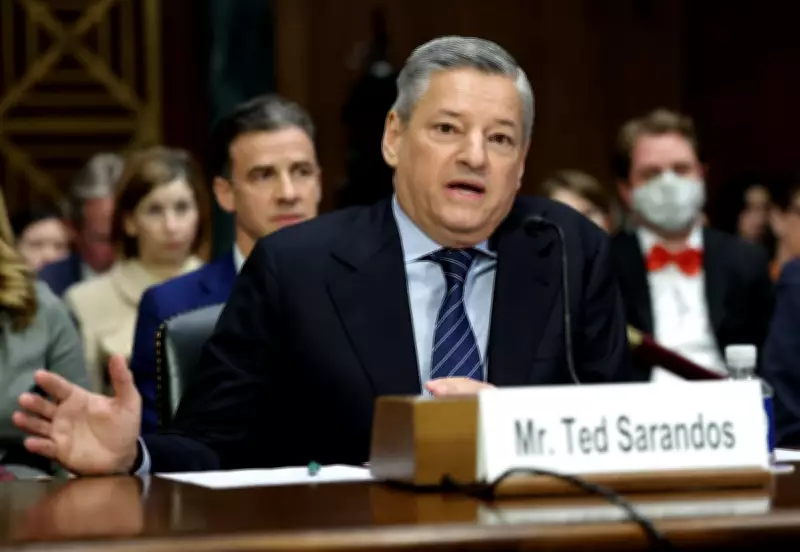
Netflix Co-CEO Confronts Senate Scrutiny Over Major Media Merger
In a high-stakes congressional hearing on Tuesday afternoon, Netflix co-chief executive Ted Sarandos faced rigorous interrogation from US senators regarding the streaming giant's proposed acquisition of Warner Bros Discovery's film and streaming assets. The session, held before the Senate subcommittee on antitrust, competition policy, and consumer rights, delved into concerns ranging from market dominance to cultural values, with Sarandos defending the deal's merits amidst a packed hearing room in Washington DC's Dirksen Senate office building.
Competition and Consumer Fears Take Centre Stage
Republican senator Mike Lee, chairing the subcommittee, opened proceedings by highlighting significant competition issues. He argued that the merger could entrench Netflix's dominance, as the company would no longer compete with HBO Max, a service it plans to acquire. Lee warned that the combined entity might have both the incentive and ability to disadvantage rivals, potentially creating an online platform to "rule them all."
Echoing these concerns, Republican senator Chuck Grassley emphasised the impact on prices and choices for consumers, stressing that his constituents deserve real competition to keep subscription costs in check. Both Sarandos and Bruce Campbell, chief revenue and strategy officer for Warner Bros Discovery, addressed fears about how the merger would affect entertainment industry jobs, consumer pricing, content availability, and the movie theatre business.
Content and Cultural Values Under Fire
The hearing took a contentious turn as Republican senators Josh Hawley and Eric Schmitt pressed Sarandos on Netflix's programming content. Hawley accused the platform of promoting transgender ideology in children's shows, stating he and his wife must review content due to a lack of confidence in the platform's offerings. Sarandos refuted the claims, calling Hawley's data "inaccurate" and asserting that Netflix has no agenda, instead featuring a wide variety of stories to meet diverse tastes.
Schmitt went further, accusing Netflix and its employees of promoting "DEI and wokeness," labelling the majority of its content as "overwhelmingly woke." Sarandos countered by affirming that Netflix has no political agenda and offers programming across the political spectrum, from left to right and centre.
Job Security and Merger Justifications
Democratic senator Adam Schiff raised concerns about potential layoffs, referencing past media mergers that resulted in job losses. Sarandos acknowledged that most media mergers have "faired poorly" but insisted this deal would be different, as Netflix needs the talent and plans to operate Warner Bros largely as it is today. In his opening remarks, Sarandos championed the merger's value, arguing it would create economic growth, offer consumers more content for less, and enhance competitiveness in a crowded marketplace.
Regulatory and Political Implications
The hearing also touched on broader regulatory scrutiny, with anti-monopoly groups warning that the acquisition presents competition concerns likely to be examined closely by domestic and international regulators. While the justice department's antitrust division and the Federal Trade Commission play key roles, state attorneys general could file lawsuits. Democratic senator Cory Booker, a self-proclaimed Netflix "power-watcher," expressed frustration over the absence of Paramount Skydance, which has made unsuccessful bids for Warner Bros Discovery. Booker cautioned that any merger would consolidate control over media consumption, urging antitrust regulators to review the deal fairly without political bias, amid fears of potential interference from figures like Donald Trump.
Originally announced in early December, Netflix sweetened its bid in mid-January with an all-cash offer valued at $82.7 billion, aiming to block rival Paramount. As the debate continues, this hearing underscores the complex interplay of business, politics, and culture shaping the future of streaming entertainment.