
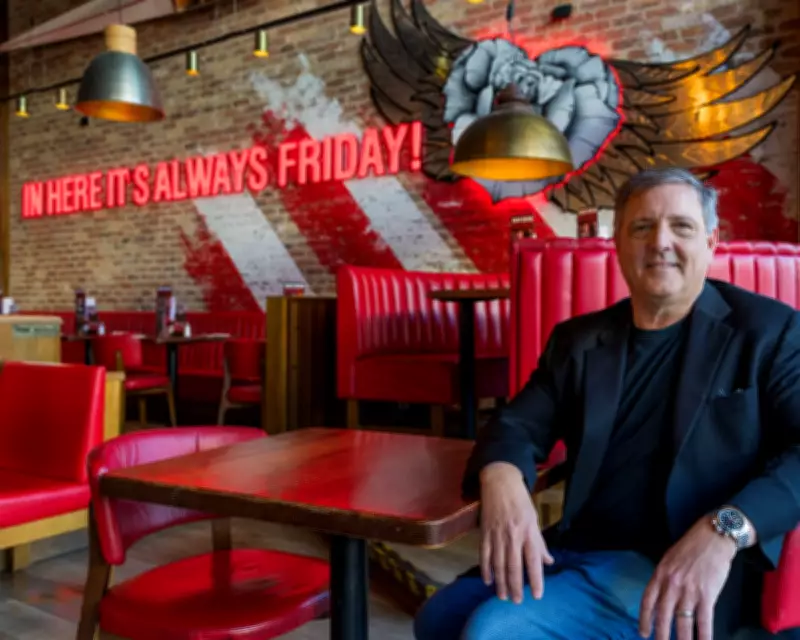
TGI Fridays Boss Insists Time Is Right for a UK Revival
Ray Blanchette, the leader behind TGI Fridays' resurgence, admits he might be a little crazy for taking on the challenge of reviving the bar-restaurant chain's UK operations. In the face of severe industry headwinds, Blanchette's family investment firm, Sugarloaf, rescued the Dallas-based parent company from administration in 2025. Shortly after, in January, he acquired the UK arm when the local franchisee encountered difficulties, retaining 33 restaurants but closing 16, resulting in the loss of 456 jobs.
Navigating a Tough Hospitality Landscape
British restaurants and cafes have been grappling with soaring costs in staffing, energy, and food supplies, while diner numbers have declined as households cut back on eating out due to financial pressures. Additional burdens from tax increases, including employers' national insurance contributions and business rates, have compounded the pain for the sector.
Despite these challenges, Blanchette remains optimistic. He believes TGI Fridays, which operates 420 restaurants across 42 countries, can reclaim its momentum in the UK and expand to 1,000 outlets worldwide. We have enough history and legacy to build off, he asserts, highlighting the chain's rich heritage.
A Legacy of Casual Dining
Founded by restaurateur Alan Stillman in New York in 1965 as the world's first casual cocktail bar and restaurant, TGI Fridays is renowned for its distinctive red and white stripes, vintage decor, and all-American menu featuring burgers, Kansas-style beef ribs, and Texas mixed grills. Most of its global locations, from the Philippines to Peru, are managed by franchisees.
In the UK, the chain has experienced a turbulent journey since its peak in the 1990s. Blanchette's rescue deal follows a previous administration buyout by private equity firms Calveton UK and Breal Capital, which led to the closure of about 35 restaurants. His investment firm now holds the global master franchise, with Sugarloaf Hospitality directly operating 11 US outlets and the UK restaurants.
Long-Term Vision and Investment
My company has no private equity investment – it's a family business, my business, and I bought TGI intending for us to own it for the next 100 years, Blanchette explains. He emphasizes a long-term approach over short-term profits, rooted in his personal history with the brand. Starting as a kitchen manager in Philadelphia in 1989, he rose to president before leaving in 2014, only to return and secure the master franchise after the US business faced insolvency.
Upon taking over the UK operations, Blanchette discovered significant underfunding issues. At 14 sites, nearly half the chain, heating systems were non-functional, and other outlets had broken refrigerators. In response, he is investing over £2.5 million beyond regular maintenance to revamp restaurants, update kitchen equipment, refresh memorabilia, and develop training programs for staff.
Returning to Roots and Addressing Criticisms
Blanchette recalls the 1990s as a golden era for TGI Fridays in the UK, with a strong reputation and vibrant bar-restaurants. However, he claims recent ownership led to an overly expensive menu, insufficient investment, and poor staff training, diluting the brand's appeal. We saw restaurants in a horrible condition, he says, but adds that this is now being addressed.
After reviewing hundreds of thousands of online reviews, Blanchette is confident in a turnaround. We are getting back to what people expect from us. It is intended to be a little over the top and fun, he states. Initiatives include retraining chefs to prepare a new menu from scratch, introducing a value menu at £12.49 for two courses plus a drink, and offering more affordable appetizers and sharing plates.
Challenges and Future Prospects
Blanchette joins other UK business leaders in criticizing the government's tax policies, describing the regime for high street businesses as problematic and growth-stifling. He hopes for change, noting that hospitality is a major employer. Eventually government has got to realise that or it is going to be in a real lot of hurt. You will have people come to London to see the sites and not have anywhere to eat, he warns.
While expansion in the UK is on hold for now, except for potential London sites in areas like Covent Garden or Piccadilly, Blanchette remains focused on laying a solid foundation. We are looking through the windshield, not the rear-view mirror. This is not about going back to the 90s, he says. He believes that even in tough times, families seek dining experiences as treats, emphasizing the importance of warm service and fun atmospheres.




