
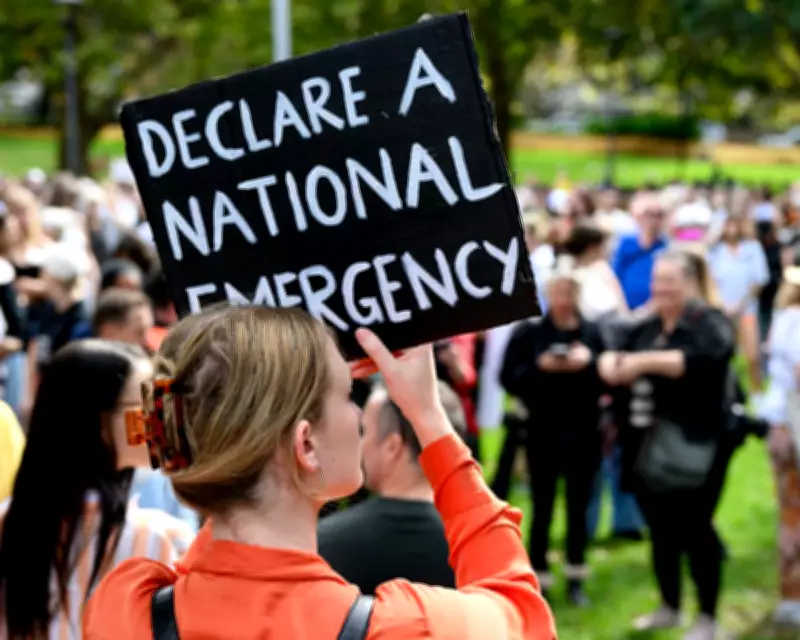
More than 110,000 people have signed a petition calling for a federal royal commission into gender-based violence, according to advocate Sherele Moody from Australian Femicide Watch. The petition reflects growing public frustration over the persistent failure of institutions to protect women and children from harm.
Public Frustration Reaches Boiling Point
Jess Hill, an Industry Professor at UTS researching gender-based violence, writes that the public's anger is justified. Despite more than 15 years since Australia first implemented a national plan to end gender-based violence, progress remains painfully slow, and the level of harm is alarming. Hill notes that while men continue to murder, maim, and terrorise women and children, too many professionals tasked with protection—particularly in policing and the courts—fail repeatedly to do their jobs.
Systemic Failures in Policing and Courts
Victim-survivors seeking help face a postcode lottery and a front-desk lottery, where the same story can elicit radically different responses from different officers. Inconsistency also plagues the courts, where a victim's safety depends on the judge and the quality of legal representation. Many victim-survivors still wish they had visible bruises to be believed. For First Nations women, help-seeking can lead to punishment or losing their children.
Government Inaction
Hill argues that the solutions to ending gender-based violence are not a mystery; the problem is that governments refuse to act on them. She points to the national cabinet's response to the rapid review into prevention, where leaders agreed to tighten alcohol regulations—a significant risk factor—but only South Australia and the ACT have followed through in 18 months. The federal government has little power to compel other states to act.
The Role of a Royal Commission
A royal commission could expose institutional failings across state and federal systems, spell out necessary reforms for policing and courts, and establish accountability. However, Hill questions whether such a commission would compel leaders to accept its recommendations, given the cosy relationships between premiers, police ministers, and police commissioners.
Current Focus: Second Action Plan
Hill acknowledges that a royal commission will not happen in this term of government. Instead, the focus will be on the second action plan, with consultations beginning this week. She urges campaigners to be strategic and focused, identifying system failures, naming decision-makers, and being explicit about desired changes. The 110,000 signatures should put all governments on notice. Next May, Treasurer Jim Chalmers will hand down a budget for the second action plan, and treasurers in every state and territory must do their part. If they don't, Hill concludes, we should march in the streets for a royal commission.
Jess Hill is the author of See What You Made Me Do: Power, Control and Domestic Abuse In Australia. Domestic and family violence counselling is available from Full Stop Australia on 1800 385 578. In the UK, call the national domestic abuse helpline on 0808 2000 247, or visit Women's Aid. In the US, the domestic violence hotline is 1-800-799-SAFE (7233). Other international helplines may be found via www.befrienders.org.




