Surf Tourism Offers a Lifeline to Peru's Ancient Reed-Boat Fishing Culture
In the early morning light on the north coast of Peru, a timeless ritual unfolds as fishers drag their reed boats to the water's edge. Kneeling on these traditional vessels, known as caballitos de totora, they paddle out into the Pacific Ocean to catch their daily haul. This practice, dating back an estimated 3,500 years, is now at a crossroads due to dwindling fish stocks and environmental challenges.
The Struggle of Traditional Fishers
Junior Huamanchumo, a 37-year-old fisher from Huanchaco, represents generations of this ancestral art. He learned the technique from his father and continues to fish using the signature reed boats, which are declared part of Peru's cultural heritage. However, Huamanchumo faces significant obstacles in sustaining this way of life.
"My father used to tell me that with one or two nets, they used to bring in a lot of fish. Now we use six or seven nets and the catch is low," he explains. The decline is attributed to competition from motorised fishing boats and overfishing, which disrespect size limits for juvenile fish.
Huamanchumo's catch often consists mainly of common fish like lisa (grey mullet), with fewer of the more commercial species that were once abundant. To support his family, including his three children, he supplements his income with construction work, as fishing alone is no longer sufficient.
Environmental and Material Challenges
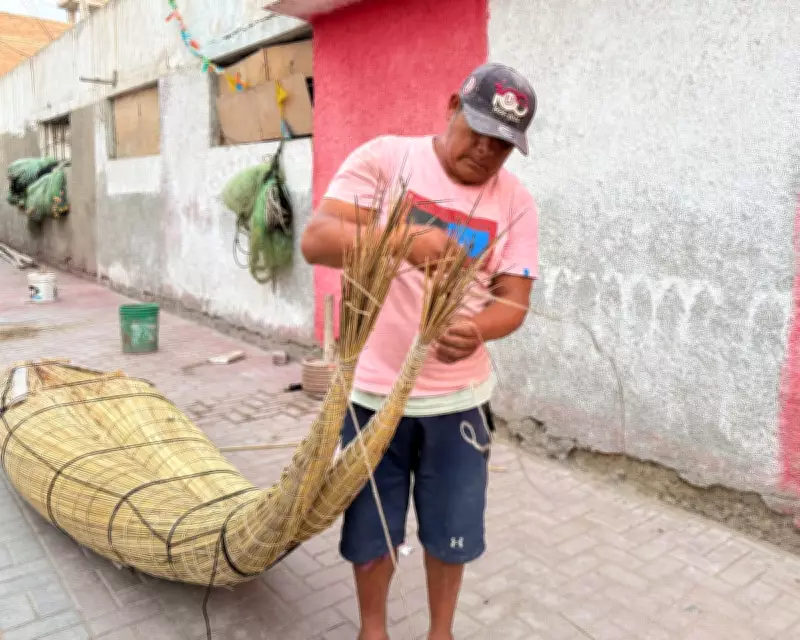
The fishers also grapple with a shortage of totora reeds, the raw material for their boats. In early 2025, sewage spills damaged many reed ponds, forcing the community to rebuild with assistance from Conservation International. Pablo Díaz, a 65-year-old fisher, was fortunate that his pond remained unharmed, allowing him to continue harvesting reeds for boat construction.
Díaz notes that the boats last about a month before becoming waterlogged and needing replacement. He has adapted by offering tourist demonstrations and rides on his caballito, capitalising on Huanchaco's charm to attract visitors.
Surf Tourism as an Economic Alternative
Surfing is emerging as a vital lifeline for this struggling community. Huanchaco's world-class waves draw surfers from around the globe, many of whom are fascinated by the caballitos as ancient precursors to modern surfing. Younger members of fishing families have embraced this opportunity, opening surf schools and engaging with the tourism industry.
Daniela Amico, Conservation International's communications director in Peru, emphasises the potential of this connection. "I believe that by connecting surfing and the ancestral culture of these fishermen, we can find new opportunities for them," she says. The Australian embassy in Peru has supported this initiative, taking fishers to the Gold Coast and promoting surf tourism as an economic alternative.
Cultural Heritage and Conservation Efforts
Despite a 2018 law declaring traditional fishing of national interest, enforcement remains weak, particularly in protecting the coastal zones reserved for caballito fishers. Concerns about overexploitation of Peru's marine ecosystem persist, highlighting the need for stronger conservation measures.
As fishers like Huamanchumo and Díaz navigate these challenges, surf tourism offers a glimmer of hope. By blending ancient traditions with modern economic strategies, they aim to preserve a cultural heritage that has endured for millennia, ensuring that the caballitos de totora continue to ride the waves into the future.