London Boroughs Housing Asylum Seekers: Full Breakdown Reveals Uneven Distribution
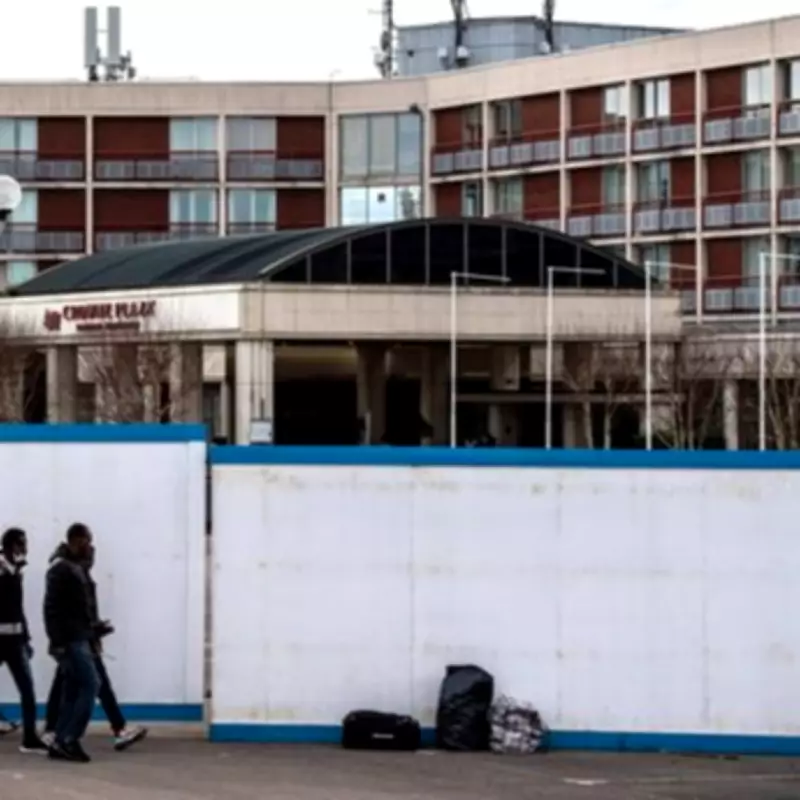
Newly released data from the Home Office provides a comprehensive look at the number of asylum seekers temporarily housed in hotels across London's boroughs. The figures, current as of December 31, 2025, highlight significant disparities in how this responsibility is shared throughout the capital.
National Context and London's Proportion
Across the entire United Kingdom, a total of 30,657 asylum seekers are accommodated in hotels. Of this national figure, 9,380 individuals—representing nearly one in every three hotel-based asylum seekers in the country—are located within London boroughs. To put this into perspective, the combined total for Birmingham (1,087) and Manchester (979) is only 2,066, underscoring London's substantial role in the national accommodation system.
Concentration in a Handful of Boroughs
The distribution of asylum seekers across London is highly uneven, with a small number of boroughs shouldering the vast majority of the burden. Hillingdon and Hounslow together account for a striking 40% of London's total hotel-based asylum population. Hillingdon currently houses 1,896 individuals in hotels, the highest number in the capital, followed closely by Hounslow with 1,466.
In stark contrast, several boroughs report zero asylum seekers housed in hotels under this scheme. These include:
- Barking & Dagenham
- Bexley
- Enfield
- Greenwich
- Haringey
- Harrow
- Havering
- Islington
- Richmond
- Sutton
- Tower Hamlets
- Waltham Forest
- Wandsworth
- Westminster
Legal Framework and Shift to Hotel Accommodation
Under the Immigration and Asylum Act 1999, the Home Office has a legal obligation to provide accommodation and subsistence to asylum seekers who would otherwise face destitution. Historically, this was managed through a "dispersal" system, utilizing flats and houses within local communities. However, since 2020, a combination of factors—including a growing backlog of asylum applications and a national shortage of affordable rental housing—has forced the government to increasingly rely on "contingency accommodation," which primarily consists of hotels.
Financial Implications and Government Targets
Housing asylum seekers in hotels comes at a significantly higher cost compared to community-based dispersal housing. Recent estimates indicate that hotel accommodation costs approximately £145 to £170 per person, per night. In contrast, long-term dispersal housing is far more economical, costing just £23 to £27 per person, per night. This substantial cost difference highlights the financial pressures of the current system.
The government has established a clear target to exit all asylum hotels by the end of the current Parliament in 2029. Achieving this goal will require addressing the underlying issues of application backlogs and housing shortages to facilitate a return to more sustainable and cost-effective accommodation solutions.