As the January blues set in and Britons dream of summer sun, a sinister trend is on the rise. Fraudsters are capitalising on the post-Christmas holiday booking rush by deploying sophisticated scams on social media, designed to steal thousands from unsuspecting travellers.
The Seasonal Surge in Travel Fraud
Experts warn that January is one of three peak months for holiday fraud, alongside June and July. This period coincides with a traditional surge in bookings as people seek something to look forward to after the festive season. Criminals meticulously time their campaigns to exploit this vulnerability and the widespread desire for a bargain.
Jim Winters, head of economic crime at Nationwide building society, confirms they see a significant pick-up in holiday scams at this time of year. The average loss reported to the society is a staggering £3,500 per victim. Scammers often use adverts that are direct copies of legitimate offers from reputable companies, or increasingly, create convincing fakes using artificial intelligence (AI).

"They’ll look at where the popular holiday destinations are, and if there’s one that is up and coming they’ll tailor the scam," Winters explains.
How the Scam Operates
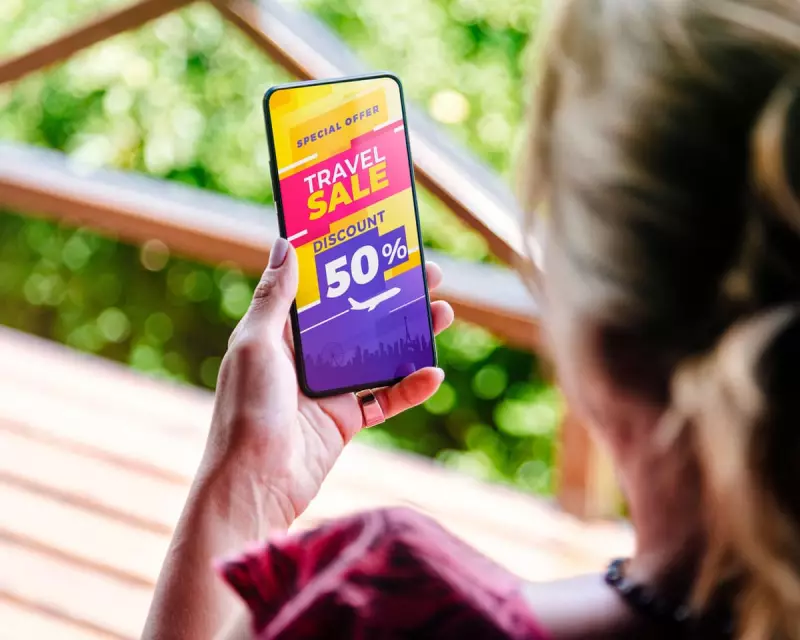
The hook is a highly credible-looking advertisement on platforms like Facebook or Instagram, promoting a two-week summer holiday or a winter ski break. The ad often appears authentic because it has been stolen from a genuine travel operator's website. The critical difference is the price, which is significantly – and suspiciously – lower than any comparable offer.
After clicking, the victim is typically redirected to a chat application such as WhatsApp, either directly or after submitting contact details. Here, a convincing fraudster will talk them through a fake booking, applying pressure to act fast.
The scammer will claim the deal is "one-time only," available for just "24 hours," or that there are only a limited number of tickets left. This manufactured urgency plays on the 'fear of missing out' (FOMO) to bypass the victim's rational judgement. The final and most telling red flag is the demand for payment via bank transfer, after which communication usually ceases and the non-existent holiday vanishes.
Protecting Yourself from Fake Holiday Deals
To avoid becoming a statistic, follow these crucial steps when booking a trip. Always initiate your booking on the official website of a reputable company, never via a link from a social media ad or a chat app. Check the URL in your browser carefully to ensure you are on the legitimate site.
Be inherently sceptical of any deal that seems too good to be true, especially those accompanied by high-pressure sales tactics. Paying by bank transfer offers you no financial protection; using a credit card provides vital Section 75 cover for purchases over £100.
If you believe you have fallen victim to a holiday scam, you must act immediately. Contact your bank or building society first to report the fraud. Then, report the crime to Action Fraud, the UK's national reporting centre for fraud and cybercrime.
As Winters summarises, "Fraudsters know when peak periods are. They know when people will be shopping for holidays. And, crucially, they know when they’ll be vulnerable to ‘too good to be true’ offers." Vigilance is the best defence against these costly cons.