San Antonio Rodeo: Where Cowboy Culture Meets Texas Heritage
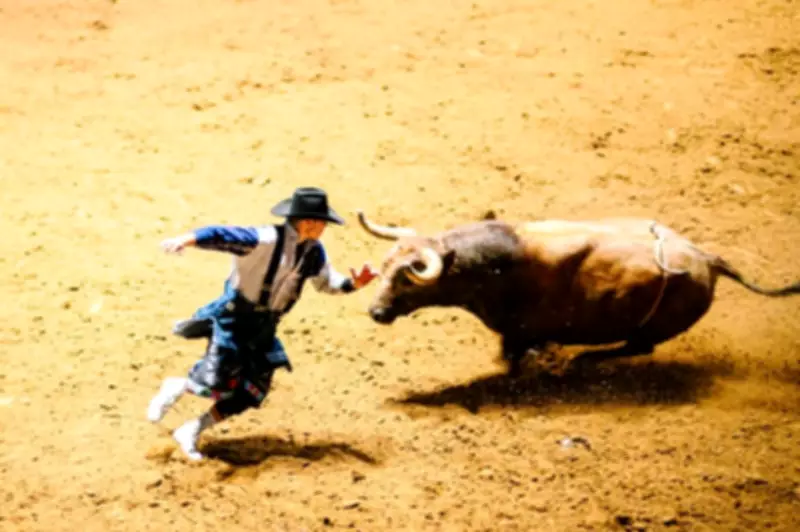
Nostrils flaring like twin exhaust pipes, a powerful bull releases pent-up energy. Head bowed, muscles flexed, hind legs kicking at a sharp 45-degree angle. Showered in a gritty mist, the scene creates a romantic silhouette despite being a fierce playoff between man and beast, heroic in the true spirit of the American West. The rider clutches the reins with white-knuckled intensity, face taut with effort to remain mounted for eight long seconds. But alas, the hat tumbles first, followed by the rider, leaving the bull free to parade its victory. The crowd roars in appreciation of the spectacle while quietly hoping for the safety of both competitors.
The Heart of Texas Rodeo Tradition
It's rodeo season in San Antonio, Texas. The San Antonio Stock Show & Rodeo operates with approximately 7,000 dedicated volunteers, unfolds across roughly 2,100 tons of specially prepared dirt, and spans 18 action-packed days. This journey to the Texan city reveals a cultural phenomenon that masterfully blends professional competition with live concerts, livestock exhibitions, and a full-throttle celebration of Western identity.
The signature crown of cowboy culture begins with the hat. Selecting one proves to be an art form in itself. At the Cantera Resort & Spa, the Wild Pony Hat Bar exists specifically for this purpose. Here, hats transform from mere souvenirs into personal statements. Guests receive expert guidance through style considerations, personality matching, and color selection. Should the brim remain straight or receive a steam-curved shaping? Accessories range from decorative feathers and leather ties to delicate chains, each chosen to imprint individuality onto the final design. Texan headwear feels less like costuming and more like initiation into an exclusive club.

Life in the Saddle and Beyond
An introduction to equestrian life awaits at nearby Spring Creek Stables. My American Quarter horse, John, once served as a roping horse but now enjoys a peaceful retirement. He moves at a thoughtful, beginner-friendly pace along peaceful tracks through tree-lined tunnels before returning to the resort where refreshments await. The resort's Loma de Vida Spa provides the perfect antidote to any riding stiffness through its innovative "Saddle Up & Spa" experience. This unique offering pairs guided horseback rides with restorative treatments inspired by the surrounding Texas Hill Country. Singing bowls create grounding calm before a therapeutic massage using lemongrass oil infused with CBD to ease tired muscles.
The Rodeo Arena Experience
The annual rodeo takes place on San Antonio's east side at the Freeman Coliseum and Frost Bank Center grounds. The atmosphere proves immersive from arrival. Teams represent major ranches that span territories larger than some European countries. Food stalls line walkways with aromatic barbecue scents wafting through the air. Turkey legs appear as medieval props while coffee stalls serve creatively named lasso lattes and saddle mochas. Nearby, a booth celebrates cowboy poetry, reminding visitors that storytelling remains as integral to this culture as cattle and horses.
Live country music fills the air with twanging guitars and swinging hips promising line dancing to come. Neon lights flash as mechanical bucking broncos challenge the brave in beer halls. Vendors sell tasseled fashion, hide skin rugs, embroidered boots, and cowboy-themed souvenirs while hat steamers puff as more visitors design their personalized crowns. Young competitors parade show pigs before judges while families stroll through livestock barns housing carefully tended cattle, sheep, and goats.
Centuries of Tradition and Skill
Inside the arena, displayed skills trace back centuries. Many rodeo events evolved from everyday tasks of ranch workers during the Spanish colonial era when indigenous communities worked land around missions founded in the early 1700s. Steer wrestling, saddle bronc riding, precision roping, and the blur of barrel racing demand absolute coordination between rider and animal. The loudest cheers greet Mutton Bustin' where children aged four to seven attempt to ride sheep for six seconds, tiny boots flapping as they cling with heroic determination.

Another highlight celebrates the region's deep Mexican heritage. The San Antonio Charro Association, established in 1947 near Mission San José, preserves the tradition of charrería, Mexico's national sport and precursor to the American rodeo. The arena fills with color and elegance as charros ride in silver-embroidered suits while women perform choreographed maneuvers side-saddle in sweeping dresses. Originating in the 16th century, charrería beautifully blends practical skills with artistry, horsemanship, and pageantry, with teams often running through generations of families.
Connections to Broader History
These traditions connect to San Antonio's wider historical narrative. The city's five Spanish missions stretch along the river, collectively forming a UNESCO World Heritage Site. Built with indigenous labor, these mission communities formed the northern frontier of New Spain. Mission San José, founded in 1720 and often called the Queen of the Missions, remains the largest and most complete. Downtown stands the Alamo where the 1836 battle became a defining moment in the Texas Revolution, remaining deeply woven into the state's identity. The museum complex displays artifacts from the extensive collection donated by musician Phil Collins, a lifelong Alamo enthusiast.
Beyond the Arena
Away from the rodeo grounds, San Antonio reveals a gentler rhythm. The River Walk meanders through the city center where restaurants spill onto terraces and tour boats glide quietly along channels narrating local culture. The culinary scene reflects the city's cultural blend. Tex-Mex classics receive innovative twists at establishments like Mezquite in the revitalized Pearl district, once home to a historic brewery. Modern dining peppers the River Walk at venues like Boudro's, renowned for prickly pear margaritas and tableside guacamole preparation.
San Antonio maintains a welcoming atmosphere despite its size, feeling deeply rooted in its past. This explains why the rodeo fits so naturally within the community fabric. It represents not merely a sporting event but a gathering point where history, heritage, and community converge. As arena dirt settles and crowds drift beneath the Texan night sky, what lingers extends beyond the drama of man versus bull to encompass the sense of a place where past and present ride comfortably side by side.