
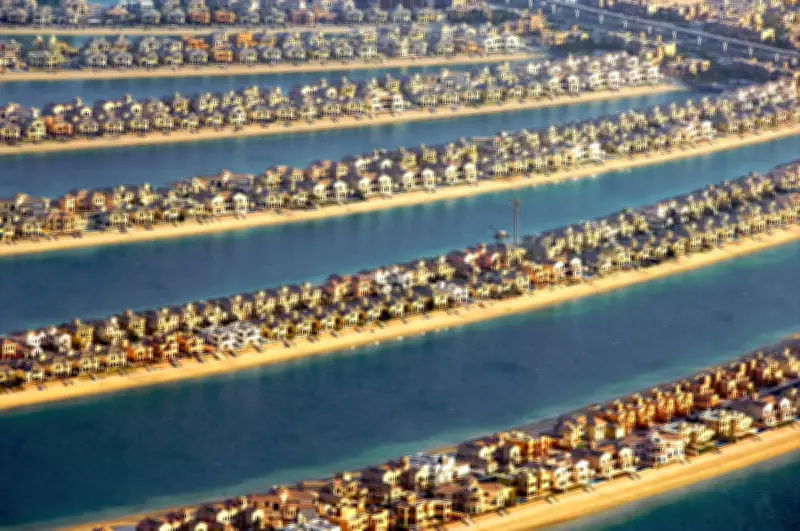
Dubai's Influencer Fantasy Collides with Harsh Reality
The carefully constructed social contract of Dubai has always required a deliberate blindness to the suffering and violence that exists just beyond its glittering borders. This arrangement, built on the backs of oppressed migrant workers and marketed through paid influencers, is now crumbling as regional conflict exposes the city's fragile foundations.
The Luxury Facade Cracks Under Pressure
When missiles began falling on Dubai, the response from Western nations toward their expat citizens was telling. British Liberal Democrat leader Ed Davey openly criticized "tax exiles and washed-up old footballers" who had mocked ordinary Brits but now expected military rescue. On Good Morning Britain, presenter Susanna Reid questioned why those who moved to Dubai to avoid taxes shouldn't pay for their own evacuation.
The dissonance between Dubai's marketed image and its reality became starkly apparent through social media reactions. British writer Shona Sibary captured the absurdity with her piece detailing trivial concerns about labradoodles and medication while trapped in a war zone. Australian influencer Louise Starkey's frightened Instagram video, where she declared "It's not meant to be happening here," revealed the cognitive disconnect Dubai encourages.
The Dark Foundations of a Dreamworld
Dubai's entire existence depends on visitors and expats not questioning what happens beyond the city's borders or how it was built. The construction industry has long operated under the controversial kafala system, which ties migrant workers' legal status to their employers, creating conditions ripe for exploitation and abuse.
Influencers on golden visas serve as Dubai's marketing arm, presenting an aspirational version of the city to millions worldwide. Their content is strictly controlled, with jail, fines, or expulsion awaiting those who publish about migrant workers, human rights abuses, or now, the war. This creates a curated reality that obscures the city's true nature.
A Lonely City Built on Oppression
Urban theorist Mike Davis identified Dubai's "sickly moral complexion" back in 2010, describing it as an "evil paradise" and the ultimate neoliberal "dreamworld." More than fifteen years later, Dubai has fully realized this vision, becoming less a place than a backdrop for influencer content.
The dreamworld was constructed by indentured workers and amplified through social media. Influencers paid by the government promoted Dubai as the safest place on Earth, filled with seven-star luxury and endless parties. Yet beneath this glittering surface lies a different reality. "It's a lonely city," admits one resident, highlighting the emptiness behind the curated images.
The influencers selling this fantasy work with mirages. The Maseratis they pose in are borrowed, the alcohol they toast with is illegal, the helicopters rented by hour, and their appearances enhanced by cosmetic procedures. The entire spectacle depends on collective willingness to ignore the suffering that makes it possible.
Revealing the Wider Tableaux
The recent conflict has made visible what Dubai's social contract demands remain unseen. The broadening theater of war has exposed the wider Middle Eastern context that Dubai typically obscures. Gaza's proximity, long ignored in the pursuit of luxury living, can no longer be overlooked.
This exposure has revealed several uncomfortable truths:
- The lack of compassion for suffering Dubai expat influencers
- Growing distaste for the origins of the Dubai project
- Decreasing trust in the influencer industry itself
- The increased vulnerability of migrant workers who cannot afford to flee
Those who keep Dubai propped up with cheap labor remain trapped, unable to escape the very conflicts that threaten the city they built. The masks have come off, revealing the profound dissonance between Dubai's marketed image and its reality. The dreamworld, built on oppression and maintained through willful blindness, now faces its most significant challenge as the wider tableaux becomes impossible to ignore.




