
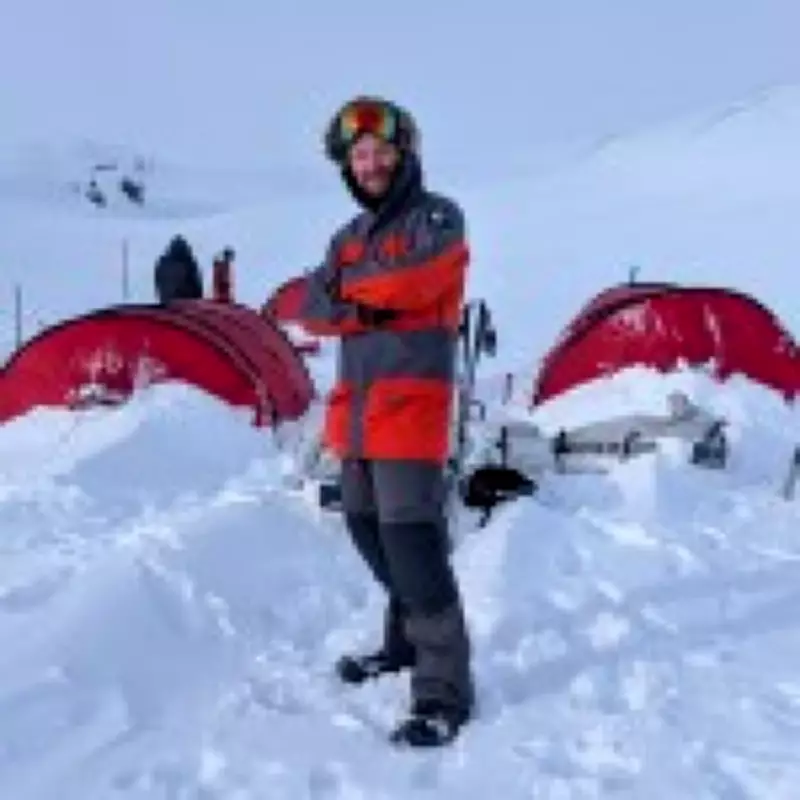
Journey to the World's Last Great Wilderness
When I committed to a polar expedition in Finse, Norway, my expectations centered on picturesque Norwegian mountains, crisp alpine air, gentle skiing, and perhaps indulging in local waffles. Instead, I received an intensive masterclass in Arctic survival that included navigating the 'Code Brown Protocol,' hauling a heavy pulk sled up a glacier, and discovering that hot porridge can feel like a transcendent experience when you're sufficiently hungry.
The Stark Reality of Finse
Finse represents a tiny, high-altitude outpost accessible exclusively by railway, with a permanent population of just nine residents. This environment presents a world of white-on-white landscapes, deliberately crafted by nature to remind humans of their limited control. The wind transforms into both adversary and companion throughout the day, attempting to push you backward across snowfields while simultaneously creating mesmerizing rivers of powder that cascade across mountains where almost no life exists.
This atmospheric phenomenon generates an eerie sense of aliveness that paradoxically makes you feel less isolated. During nighttime hours, the wind howls against tent nylon as if possessing consciousness. When it ceases, the resulting silence becomes even more unsettling—a profound stillness that suggests the mountains themselves are observing your presence.
Surviving the White Binary
For multiple days, our existence reduced to a binary world of white: white sky, white snow, and a horizon that essentially disappeared from perception. There were moments when we could barely distinguish our skis. Then, emerging through the mist, appeared the first natural color we'd witnessed since departing the railway tracks at Finse—the breathtaking polar blue of the Hardangerjøkulen glacier.
Reaching this glacial formation demanded conquering both mind and body under the expert guidance of Louis and Amelia Rudd from expedition company Shackleton. This power-couple of mountain expertise provided essential leadership throughout our journey.
Expedition Techniques and Humble Moments
I attempted to explain expedition skiing to teammate Jake—whose credentials include rowing from Perth to Kenya over seventy-one days—as combining the worst aspects of ice skating and downhill skiing. Maneuvering requires runway space comparable to small airports, while controlling a pulk on ice surfaces operates largely as an act of faith.
Louis, a former SAS soldier possessing the calm authority of someone extensively experienced in hostile environments, reminded us that mountains serve as great equalizers. Even he wasn't immune to mishaps, as I witnessed him taking a fall when he believed nobody was watching. When he attempted to claim I was the sole witness, I pointed out this defense simultaneously functioned as an admission, costing him a bottle of wine upon our return.
Survival Systems and Group Dynamics
Expedition life rapidly organizes around peculiar little systems. Foremost among these is the 'Code Brown Protocol'—a discreet agreement that when someone announces this code, all other participants remain inside their tents. We also created 'Pits of Despair,' trenches dug into snow inside tents that allow colder air to sink away from occupants.
My tentmate Aslan and I compensated for our relatively shallow excavation with interior design flourishes, carving out what I optimistically described as a snow-based drinks cabinet. What truly sustains group functionality under such conditions, however, is humor. Amelia, whose calm independence quietly maintained expedition cohesion, rescued my morale at precisely the right moment by producing a tube of Pringles after my confession that they represent my greatest weakness.
Jake approached skiing with the unrestrained enthusiasm of a Labrador encountering snow for the first time, his dramatic falls resembling performance art installations. Then there was Marina. At sixty-one years old, Marina spent much of the expedition insisting she lacked physical capability—a convincing argument except for the fact she was actively completing every challenge alongside us.
Nutrition and Near-Disasters
We bookmarked each day with breakfast and dinner, but everything between involved constantly feeding our bodies. Initially surprised to see our leaders eating lunch at 10:30 AM, I soon realized we would consume calories at every possible opportunity. During the longest day, I required nearly five thousand calories, constantly consuming liquid peanut butter and copious trail mix quantities.
Before preparing dinner—a freeze-dried chicken meal that proved significantly tastier than anticipated—Aslan literally saved my life. When I nearly ignited our tent while lighting the stove, his years as a stuntman instinctively activated. He deftly seized the fire and hurled it out into the snow.
Transformation and Reflection
Wrapped in our mercifully warming Titan jackets, we reunited for nightcaps in 'The Ritz' (Louis' tent) sharing aquavit while discussing television shows we'd participate in. Tucked inside sleeping bags, I felt relieved by their surprising coziness. Any items that became wet during daytime—liner gloves, mitts, and socks—we stored inside sleeping bags at our feet to dry overnight while I hugged my phone to preserve battery life.
Before departure, Shackleton provided a comprehensive kit list. Though I considered cutting corners on certain items initially, I'm profoundly grateful I followed their recommendations exactly. They're the experts; trust their lists completely. Morning routines proved less brutal than anticipated, though I dressed faster than usual, excited for coffee and blueberry porridge that would sustain us while digging out from overnight snow drifts.
The final slog across frozen lakes back to Finse rewarded us with waffles, beer, and naturally, Pringles. Three years earlier, I verged on obesity and never would have dreamed of dragging a pulk up 'Baby Wall' (which is decidedly not baby-sized). This expedition was meant to represent the 'cherry on the cake' of a lengthy fitness journey but transformed into something more profound.
Emerging in Oslo and observing Friday night commuters, something Amelia said resonated deeply. She described herself as an 'ordinary person doing something extraordinary.' I realized I was surrounded by ordinary people, just like you and me, only a few steps away from extraordinary adventures. Now that I've witnessed the blue, I'm left with one slightly dangerous thought: What comes next?




