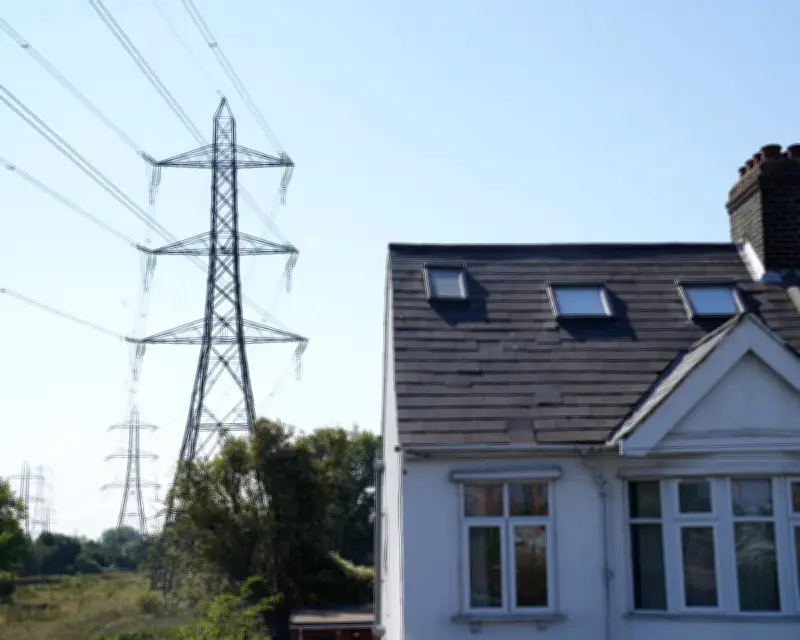
The UK government has confirmed that households living within 500 metres of new or upgraded overhead transmission lines will receive £250 off their annual energy bills, totalling up to £2,500 over 10 years. This discount applies to communities near more than 40 grid upgrade projects across Great Britain, part of the largest electricity grid modernisation since the 1960s.
Government confirms bill discounts for host communities
Energy minister Michael Shanks announced the initiative, stating that the multibillion-pound upgrades, funded through household energy bills, are "a vital part of how we deliver secure, homegrown energy and unlock economic growth across the country." He described it as "a moment of national renewal – upgrading what was built largely in the 1960s for the modern age and is our route to bringing down electricity bills for households across the country."
The government aims to prevent backlash against increased construction of pylons and substations by offering financial benefits to those hosting the infrastructure. Eligible households will receive the discount automatically every six months via their energy supplier, with payments starting next year.

Grid upgrade programme and cost
Grid companies are expected to spend up to £77bn over five years to build new networks and power lines, carrying renewable electricity from offshore or remote areas to urban centres with high demand. The government ruled out underground cables, citing research commissioned by the Department for Energy and Net Zero (DESNZ) that found "building pylons remains the most cost-effective way of upgrading Britain’s outdated electricity networks" and provides "the best value for bill-payers."
The government has also urged grid companies, including National Grid, SSE, and Scottish Power, to contribute millions to a fund supporting local community projects. Notable beneficiaries include communities near National Grid's Bramford-to-Twinstead project, which will receive over £4m for community initiatives, and those near Scottish Power's Chirmorie overhead line project in Scotland, eligible for about £2.4m.
Impact on energy system and consumers
Currently, constraints in the ageing grid mean wind and solar farms are paid to stop generating when local demand is insufficient. The electricity system operator also pays gas plants to increase output and imports electricity from the continent via high-voltage cables. These payments are projected to total £3bn by 2030. The new upgrades aim to reduce such costs and lower bills for all households.
Shanks added: "It’s vital we build again as a country and we are determined those communities which host pylons should benefit which is why we’re bringing down the energy bills of those hosting this vital national infrastructure." The discounts will begin next year, marking a concrete step in the UK's transition away from fossil fuels.