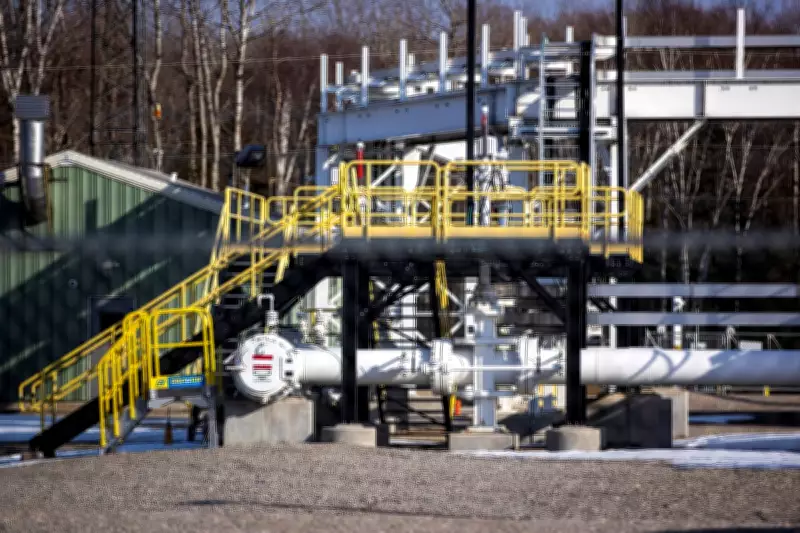
Supreme Court Decision Strengthens State Control Over Pipeline Safety
The United States Supreme Court has issued a landmark ruling that upholds Michigan's authority to implement and enforce rigorous safety regulations on energy pipelines operating within its borders. This decision, delivered on April 22, 2026, marks a pivotal moment in the ongoing debate over the balance of power between state and federal governments in regulating critical infrastructure.
Details of the Ruling and Its Legal Basis
In a closely watched case, the Supreme Court affirmed that Michigan's state-level pipeline safety measures do not conflict with existing federal laws, thereby allowing the state to maintain its stringent standards. The ruling emphasizes the principle of cooperative federalism, where states can enact regulations that exceed federal minimums, provided they do not directly contradict national statutes. This decision overturns lower court challenges that argued Michigan's rules were preempted by federal authority, setting a precedent that could empower other states to pursue similar environmental and safety initiatives.
Implications for Environmental Protection and Energy Infrastructure
The ruling is expected to have far-reaching consequences for environmental protection efforts across the United States. By supporting Michigan's ability to enforce tough pipeline safety regulations, the Supreme Court has bolstered state-led initiatives aimed at preventing leaks, spills, and other hazards that threaten ecosystems and public health. Energy companies operating pipelines in Michigan must now comply with these enhanced state requirements, which may include more frequent inspections, advanced leak detection systems, and stricter construction standards. This could lead to increased operational costs for the industry but potentially reduce environmental risks and improve safety outcomes.

Broader Impact on State-Federal Governance and Future Legal Battles
Beyond the immediate effects on pipeline safety, this Supreme Court decision reinforces the role of states as laboratories of democracy in regulatory matters. It signals a judicial willingness to uphold state autonomy in areas where federal law does not explicitly preempt local action, potentially influencing future cases involving other industries such as manufacturing, utilities, and transportation. Legal experts anticipate that this ruling may spur similar state-level regulations nationwide, prompting further legal challenges and shaping the landscape of energy and environmental policy for years to come. The decision also highlights the ongoing tensions between state rights and federal oversight, a key issue in American governance that continues to evolve through judicial interpretation.