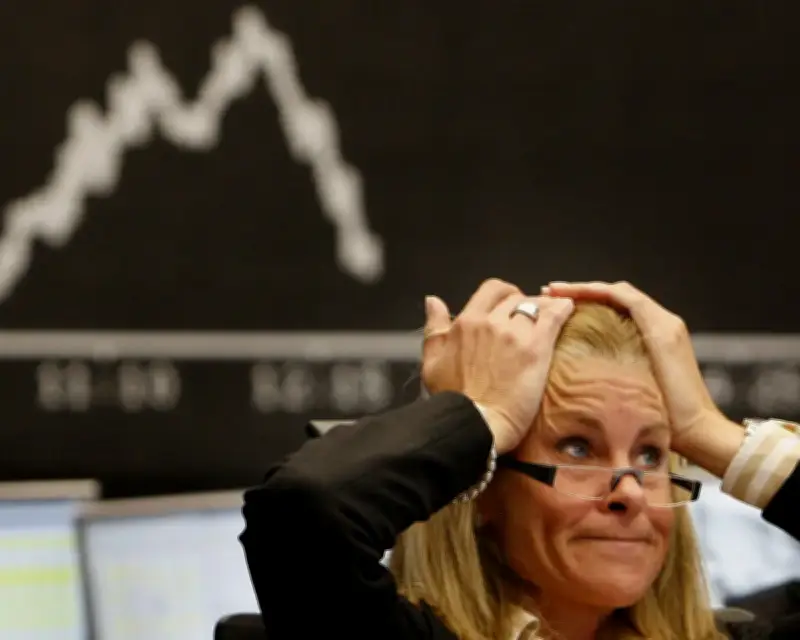
With oil prices above $100 a barrel, a global bond sell-off, and warnings from AI industry leaders, financial markets are showing signs of fragility not seen since September 2008, according to Guardian columnist Larry Elliott. Writing in a new analysis, Elliott argues that while another crisis is not inevitable, the conditions are aligning for a possible September meltdown, and lessons from the 2008 crash should guide preparation.
September's History of Financial Turmoil
Elliott notes that September has historically been a month of financial crises. Britain left the Gold Standard in September 1931, the pound was forced out of Europe's Exchange Rate Mechanism in September 1992, and the collapse of Lehman Brothers 18 years ago this week plunged the global economy into deep recession. This year, he warns, similar pressures are building.
Key factors include soaring oil prices that are raising petrol and diesel costs, adding to cost-of-living pressures; a sell-off in government bonds worldwide; and a warning from AI bosses that the pace of development in their industry should be slowed. Mixed together, these are the ingredients for another troubled September, Elliott writes.

Oil Prices and the Iran Conflict
While it may all be a false alarm, Elliott points out that the war between the US, Israel, and Iran has been ongoing for over six months, and the impact of closing the Strait of Hormuz has been less severe than initially expected. However, markets no longer believe President Donald Trump's assurances that a deal with Iran is imminent, and the rise in oil prices to more than $100 a barrel has heightened fears of persistent inflation and higher interest rates from central banks.
Despite crude prices not escalating further, the cost of petrol and diesel remains high due to a shortage of refining capacity. Growth has not been hit that much, and in both the US and the UK, AI has been part of that story, but the war in Iran is having an effect with a longer lag than originally expected.
AI Stock Market Bubble Fears
For months, share prices have been underpinned by the belief that there is no ceiling on the growth of technology stocks, particularly those involved in AI. That theory is now being tested, and on Wall Street, the recent intervention by AI bosses was spectacularly ill-timed, according to Elliott. Trump's rejection of the need for tighter regulation on the AI industry speaks volumes, partly due to the US-China battle to win the technology war.
Financial markets now look as fragile as they have been at any time since September 2008, and with US midterm elections looming, the president needs to prevent the AI-led stock market bubble from popping.
Comparing 2026 to 2008: Differences and Lessons
Elliott acknowledges that history never repeats itself exactly. While there are similarities between September 2026 and September 2008, there are differences. The 2008 crash was the result of banks over-reaching themselves to finance US real estate. Banks seem far less exposed this time, and while some investment in technology stocks may be predicated on unrealistic assumptions about future profits, AI is clearly going to have a positive long-term economic impact in a way that pre-2008 housing investment did not.
However, he draws two key lessons from 2008. First, if a financial crisis morphs into an economic slump, orthodoxy goes out the window. There will be no more talk of interest-rate increases or slashing budget deficits. Indeed, recent bond buybacks by the US Treasury, designed to reduce upward pressure on mortgage rates, car loans, and credit card debt, indicate how nervous the Trump administration is about the current state of financial markets and offer a taste of the more vigorous intervention a full-blown crisis would prompt.
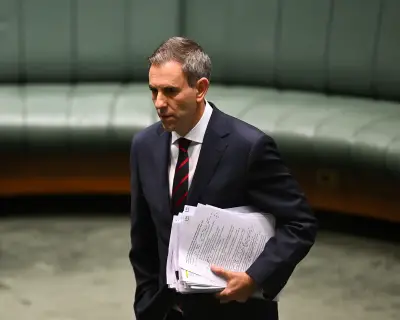
Second, there is a need to control what happens after a crash. Last time, the left was caught unawares and allowed the right to seize the initiative. Already in Britain, there are signs of the same dynamic, with Chancellor John Healey coming under pressure to raise taxes or cut spending in next month's budget. Elliott argues this would be self-defeating, as it would run counter to Andy Burnham's argument that 40 years of neoliberalism was a mistake that needs rectifying.

The TUC conference in Brighton this week showed genuine support on the left for a comprehensive strategy to re-industrialise Britain. Trade unions including Unite, RMT, CWU, GMB, and Equity made clear they wanted a much more interventionist approach, and a collection of essays, to which Elliott contributed, has just been published, fleshing out what Burnham would need to do to make good on his re-industrialisation pledge.
Elliott concludes that if not now, then sooner or later there will be another financial crisis. People forget, become complacent, and overlook strains in financial markets that have been allowed to become too big and too powerful. While recent events may blow over, it would be sensible to plan for another September meltdown, just in case.