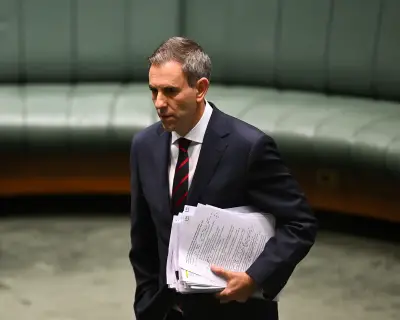
Diageo's new chief executive, Dave Lewis, has announced a strategic overhaul that will nearly double Guinness production while cutting a significant number of jobs, a move that lifted shares by over 6% in afternoon trading. The plan, unveiled on Thursday, comes as the company reported a 26% fall in annual pre-tax profit to $2.6bn, but slightly better-than-expected operating profit of $5.7bn.
Job cuts and cost savings
Lewis, known as 'Drastic Dave' for his cost-cutting zeal during his tenure at Tesco, said the turnaround plan involves job cuts, with the company expecting to incur $514m (£382m) in severance charges. He declined to give a specific figure for the workforce reduction but noted he had discovered 'massive' duplication in roles since becoming CEO. The restructuring, costing $1.2bn, aims to deliver $1bn in annual savings over two years.
'The consequences of that are not great for anybody,' Lewis said, adding that 'nobody [inside the company] is saying to me that this is the wrong thing to do.'

Guinness capacity boost
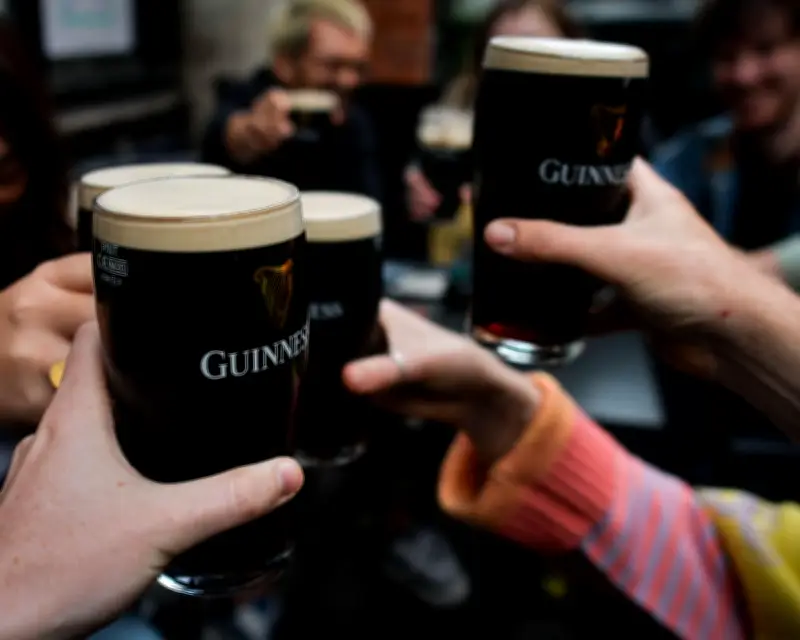
Despite the job cuts, Lewis vowed to harness the popularity of Guinness, committing $1bn to increase global sales, particularly in North America, and prevent UK shortages. Production capacity will rise from 8.2m hectolitres to 15.7m by 2031, an increase equivalent to 300 Olympic-sized swimming pools of the stout annually. 'We're going to double the capacity of Guinness during the course of this plan,' Lewis said, adding that the brand's future is 'very bright.' This move quashes speculation that he might sell Guinness for up to £8bn, as some City pundits had suggested.
Strategic shift
Diageo, which owns brands like Johnnie Walker and Smirnoff, will shift focus from its 'premiumisation' strategy to a broader portfolio, including mid-market brands and smaller pack sizes to suit cost-conscious drinkers. Lewis said the company would not be 'hawking our brands' or looking to buy assets, but would roll up its sleeves and focus on its own business, including the ready-to-drink category like premade cocktails.
Sales fell 2% to $19.6bn amid weakness in China and the US, with Lewis expecting North America, the largest region by revenue, to take two years to return to growth. The annual dividend remains at $0.50 a share, less than half the level before Lewis slashed it to fund the turnaround.
Investor reaction
Investors reacted positively, with shares rising more than 6% after the announcement, indicating early contentment with the plan. Lewis's appointment last November followed a period of strategic errors and a profits warning under predecessor Debra Crew, who took over after the sudden death of CEO Sir Ivan Menezes. Lewis's reputation, built during five years at Tesco and nearly three decades at Unilever, had already boosted shares last year, but a dividend cut and weak demand in February had eroded gains.
According to Lewis, the company's annual pre-tax profit fell to $2.6bn from $3.5bn, including $900m one-off restructuring charges and a $1.5bn hit from its Turkish business. Without these charges, operating profit was slightly ahead of forecasts at $5.7bn.