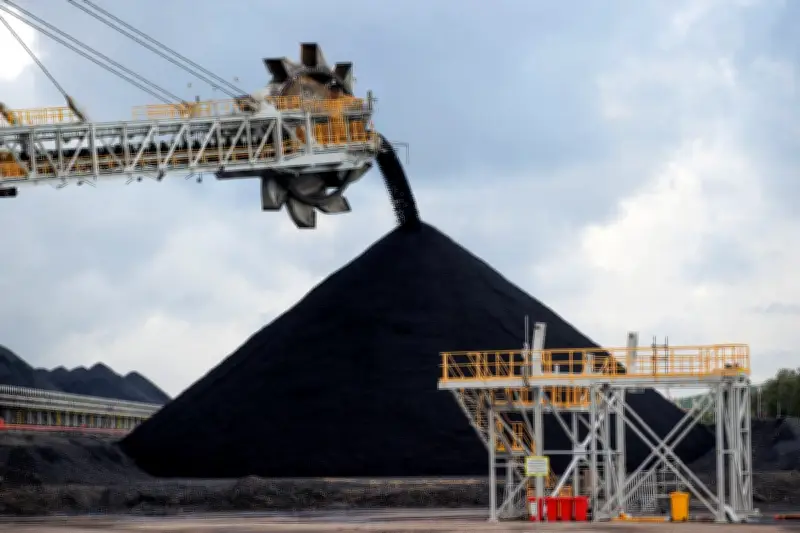
The Bank of England has announced it will no longer accept bonds linked to thermal coal as collateral for key loans, a move climate campaigners have hailed as a victory. The ban, effective from October, targets one of the most polluting fossil fuels, which is burned in power plants to generate electricity.
Policy details and impact
The central bank regularly issues loans to commercial banks such as Barclays, Lloyds, NatWest and HSBC to ensure they can settle transactions. These banks must provide collateral, typically in the form of bonds, which the Bank of England would keep if loans are not repaid. Under the new policy, bonds tied to thermal coal will no longer be accepted, signaling that such assets are now considered too risky for the central bank's balance sheet.
“It’s a strong signal from a central bank, and to the market as well,” said Ellie McLaughlin, senior policy and advocacy manager at Positive Money. The Bank of England explained in its policy statement that thermal coal companies “can be exposed to potential financial risks connected to the adjustment of the economy towards net zero.” It added that it would also discount the value of bonds in other relevant sectors “to protect the Bank against financial risks.”

Broader context and reactions
According to data from Reclaim Finance, about 150 of the world’s largest financial companies already have restrictions on doing business with the thermal coal industry. Campaigners hope the Bank of England’s move will push commercial banks to rethink holding such assets. However, the policy is far stricter than those of most Western counterparts, including the European Central Bank. The Bank of England quietly released the policy on its website in early June, with little fanfare.
McLaughlin noted that the Bank has been less vocal about its climate work in recent years, partly due to a US-led backlash against green policies since Donald Trump returned to the White House. “It does make that environment within which they operating much more difficult,” she added.
Effectiveness and limitations
The policy’s effectiveness will depend on its design. “We’ve yet to see how the Bank will calculate haircuts to account for climate risks, and exclusions should extend beyond thermal coal to cover all ‘always harmful’ activities,” McLaughlin said, including any fossil fuel expansion or deforestation. She concluded, “It’s quite significant, but there are definitely a lot of areas where the Bank could be going further.”