Australia is quietly pioneering a revolution in home renewables and battery use, proving what is possible with the right policies. As intense heatwaves pummelled Europe and Asia, and oil markets fluctuated, the two chimneys of one of Australia's largest power stations were demolished. Meanwhile, the energy minister hailed a fall of up to 10% in benchmark electricity prices in parts of the country.
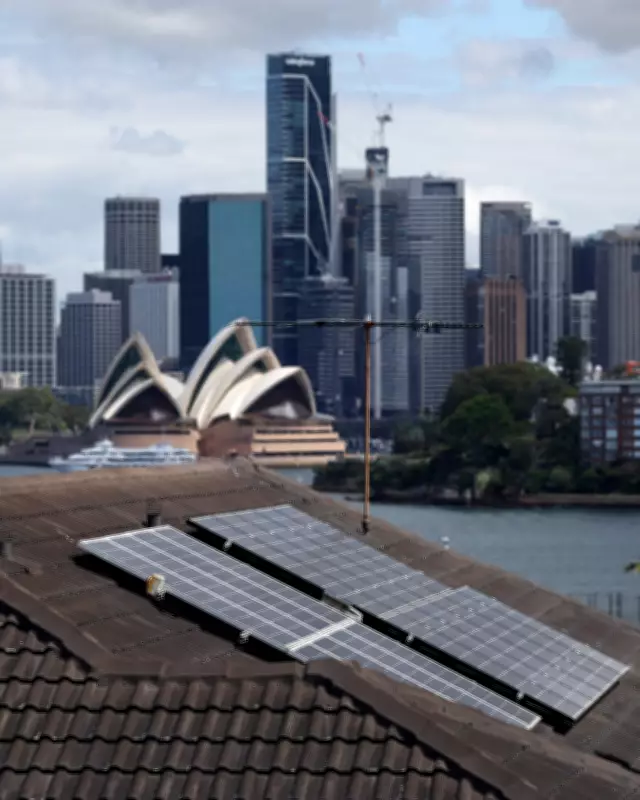
The country already leads in domestic solar power, with panels on one in three homes. However, it remains a major contributor to the climate crisis through fossil fuel exports. Batteries are now giving Australia a new burst of speed.
Household Battery Boom
Nearly 60% of the household-scale battery capacity installed across almost 200 other countries this financial year will be in Australia, according to a recent analysis. Since July, about 415,000 units have been connected—roughly one for every 25 homes. Industrial-scale batteries are being built nearly as quickly, with Australia trailing only China and the US in new capacity.

“It’s amazing,” says Tristan Edis, author of the analysis and director at Green Energy Markets. “It shows again that if you go big with a technology, you can make a really significant difference.”
How Batteries Transform the Grid
Batteries counter arguments that renewables are unpredictable. They store solar power for use when needed, reducing reliance on expensive gas-fired power. Total gas-fired generation was 24% lower across three months this summer compared with the year before. Tennant Reed of the Australian Industry Group says batteries have “completely changed how electricity prices are formed.”
“The role of gas used to be in the evening to meet peak demand, but more and more, it is batteries that are surging into the market at 6pm,” he explains.
Policy and Subsidies Drive Adoption
The battery revolution was triggered by a generous taxpayer-funded subsidy from the Labor government, committing A$2.3bn over four years to cut upfront costs by 30%. The rebate was expected to support 1 million installations by 2030, but take-up far exceeded forecasts. In December, the government increased total funding to A$7.2bn and doubled the goal to 2 million batteries.
However, some critics note the rollout favours wealthy areas. Thomas Longden of Western Sydney University says, “We need to ensure there are batteries across the whole country, not just in pockets.” Energy Minister Chris Bowen acknowledges the programme does not reach renters but argues it benefits everyone by reducing gas use and prices.
Real-Life Impact
Emma Hewitt, a single parent south of Perth, benefited from the scheme. She installed a 16kWh storage unit with an interest-free loan, cutting her quarterly power bill by hundreds of dollars. “I’m worried about the planet my daughter will inherit,” she says.
The battery revolution has also boosted solar panel installations, with records set in March and April as people replaced ageing panels with larger ones to maximize storage.
Challenges and Global Context
Despite the success, Australia continues to support fossil fuel expansion, approving 36 polluting developments since 2021. Large-scale wind and solar farm rollouts face delays and cost blowouts, putting the 82% renewable target by 2030 in doubt. However, battery construction shows little sign of slowing.
Alison Reeve of the Grattan Institute says the transformation is profound. “It is a profound change in how you run an energy market. Storing energy opens up so much more flexibility.”
Globally, home batteries are in the midst of a revolution, with prices collapsing and quality improving. Dave Jones of Ember notes, “The home battery of today is vastly superior to that of a couple of years ago.” In California, batteries have shifted solar generation to early evening, and the largest 1GW 24x365 plant is under construction.