Australia Launches Investigation into Major Fuel Suppliers Over Alleged Price Gouging
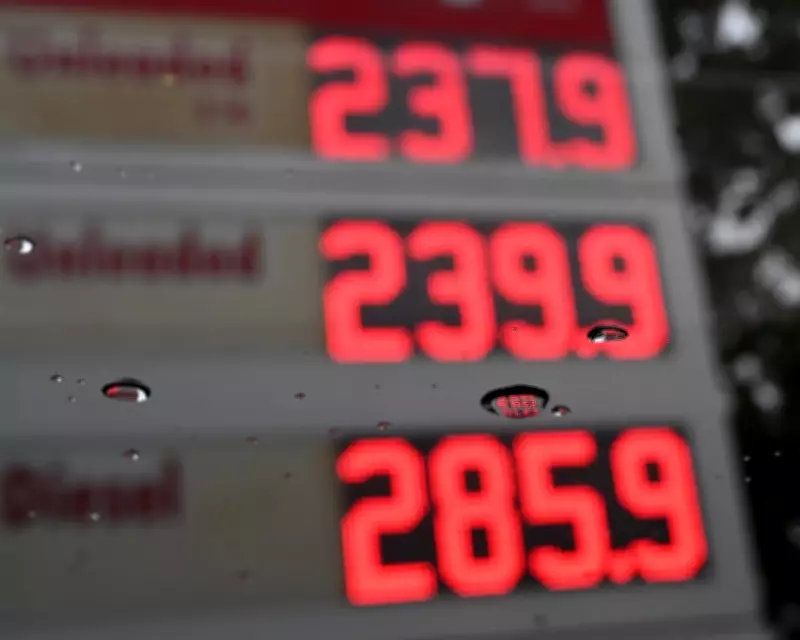
Australia's competition watchdog has initiated an urgent investigation into major fuel suppliers, including Ampol, BP, Mobil, and Viva Energy, for alleged anti-competitive conduct. This move comes as fuel shortages and price hikes escalate across the country, driven by the ongoing war in Iran and subsequent panic buying.
ACCC Takes Unusual Step in Announcing Probe
The Australian Competition and Consumer Commission (ACCC) chair, Gina Cass-Gottlieb, confirmed the investigation on Thursday, citing widespread concern among consumers, businesses, and farmers. "It is not our usual practice to publicly announce investigations, but given the significance of the issue, the ACCC is confirming this enforcement investigation," Cass-Gottlieb stated. She emphasized that the watchdog is closely monitoring market conduct and will act swiftly to enforce competition laws.
The investigation is currently at a preliminary stage, with the ACCC yet to form a view on the allegations. However, it focuses on reports of diesel availability issues for independent wholesalers and distributors in regional and rural Australia.
Government Appoints New Fuel Supply Taskforce Coordinator
In response to the crisis, Prime Minister Anthony Albanese has named former Australian Energy Regulator chief executive Anthea Harris as the new national fuel supply taskforce coordinator. Harris will immediately coordinate supply and distribution efforts between the federal government and state and territory authorities.
The taskforce aims to provide consistent, coordinated updates on fuel supply outlook and domestic distribution. Albanese reiterated a call for motorists to exercise restraint, urging, "Please do not take more fuel than you need. That is how you can help. It's the Australian way to think of others, to think of their neighbours, their community, and also to think of the national interest. Only take what you need."
Fuel Supply and Economic Impacts Amid Middle East Conflict
Despite uncertainty over passage through the Strait of Hormuz—a strategic waterway through which up to a fifth of global fuel supply flows—the government maintains that Australia's fuel supply remains solid, with all deliveries arriving as expected. However, panic buying has led to a 100% increase in demand, causing shortages and rising prices, particularly in regional areas.
Energy Minister Chris Bowen reported that nearly 520 million litres of additional petrol and diesel have been released by refineries and directed to regional communities. Meanwhile, Opposition Leader Angus Taylor criticized the government's response as too slow, calling for faster action to address shortages.
Treasurer Jim Chalmers warned that inflation could peak at 5% this year, with petrol price hikes potentially persisting until 2029. New modelling suggests a prolonged conflict in the Middle East could reduce Australia's GDP by 0.6% in 2027, equating to a $16.5 billion hit to the national economy.
National Cabinet Updates and Government Stance
The national cabinet meeting received updates on the war from Kathy Klugmann, the newly appointed director general of the Office of National Intelligence, and from Asio chief Mike Burgess. Albanese emphasized Australia's push for de-escalation while noting the country is not a party to the conflict. "It is not certain, that is the truth, how long this will last," he said, expressing hope for an endpoint and highlighting objectives to prevent Iran from developing nuclear weapons.
As the situation unfolds, the government continues to crack down on alleged price gouging by petrol companies, aiming to stabilize fuel supplies and protect consumers from further economic strain.