Hosepipe Ban Expanded Across Southern England
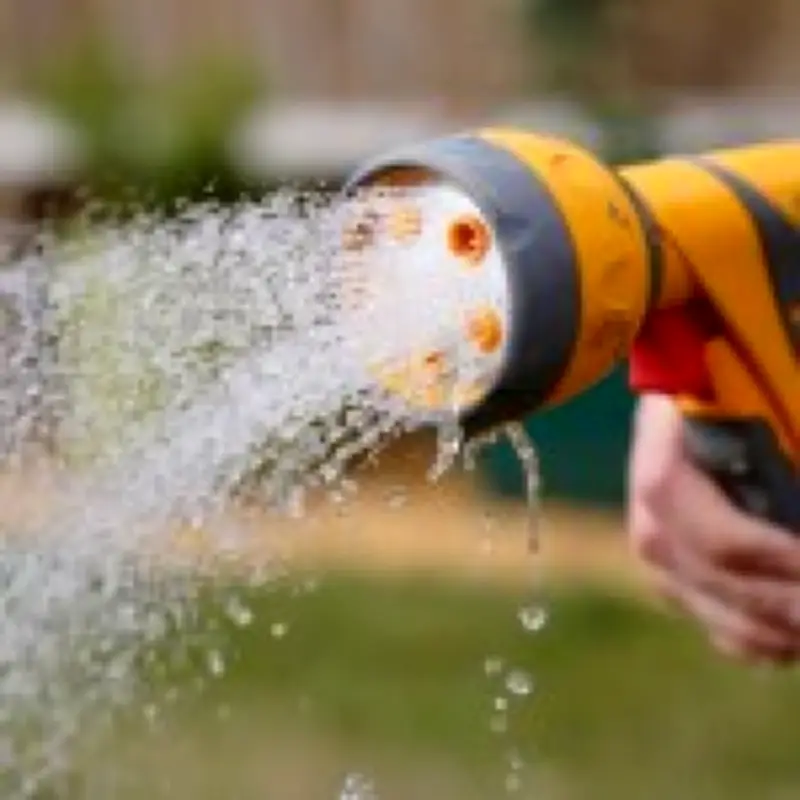
South East Water has announced that 2.4 million additional customers will be subject to a hosepipe ban starting Saturday, affecting residents in Sussex, Surrey, Hampshire, and Berkshire. The company urged customers to immediately stop using hosepipes for watering gardens, washing cars, cleaning patios, boats, or filling swimming pools. The ban was previously limited to Kent customers due to declining river levels, the need to protect groundwater, hot weather, and high water demand.
Regions Affected by the Ban
The full list of areas under hosepipe restrictions includes Bedfordshire, Berkshire, Buckinghamshire, Essex, Hertfordshire, Surrey, parts of north and west London, Norfolk, Suffolk, Cambridgeshire, Lincolnshire, Northamptonshire, Rutland, parts of Essex, Kent, Hampshire, the Isle of Wight, and Cambridge.
Water Company's Priority
Douglas Whitfield, water supply director at South East Water, said: 'Our absolute priority has to be making sure there is always enough water for everyone’s essential daily needs: drinking, cooking and hygiene. To safeguard our shared resource and help prevent any homes from facing a sudden loss of water, we sadly need to ask our communities not to use their hosepipes immediately.'

Record Dry Spell
The ban comes as central and south-east England experience the longest unbroken spell of no recorded rainfall this century, according to Met Office figures. From July 2 to July 15, an average of zero rainfall was measured across weather stations in both regions for 14 consecutive days. This is the longest rain-free period for south-east England since 15 days in April 1997, and for central England since a 14-day run in June 1996. Data for July 16 may extend these dry spells further.
Reservoir Levels Below Average
The Environment Agency's weekly dry weather report on Friday indicated that reservoir storage levels in England are at 79%, about five percentage points below the long-term average for this time of year. Six reservoirs are notably low, including Wimbleball in Somerset, Grafham in Cambridgeshire, and Hanningfield in Essex, while Blagdon reservoir in Somerset is exceptionally low.
Heatwave Frequency
In 2026, the UK has already seen 28 days where temperatures exceeded 30°C, with seven in May, eight in June, and 13 in July. The record for the number of 30°C-plus days in a calendar year is 34, set in 1995.