
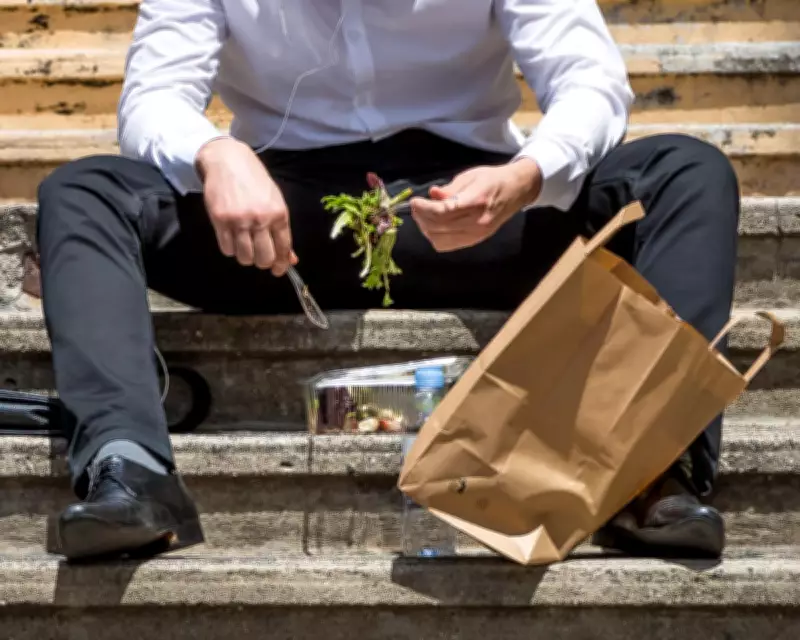
A recent article in Le Monde has ignited a fiery debate in France, highlighting a concerning trend among younger employees: a growing preference for dining alone during lunch breaks. This shift flies in the face of longstanding French workplace traditions, where communal meals are often seen as a cornerstone of professional life. According to a survey by Openeat, nearly one-third of employees under 25 regularly lunch solo, compared to just 12% of those over 49. While this statistic has shocked many in France, it prompts a different reaction in Britain, where solitary work lunches are not only accepted but often celebrated as a cultural norm.
The French Tradition vs. British Individualism
In France, the midday meal is frequently a social affair, with colleagues gathering for multi-course prix fixe lunches, sometimes accompanied by a glass of wine. This practice is viewed as civilised and integral to workplace camaraderie. However, as the Le Monde article reveals, this culture is evolving, with younger generations increasingly opting for solitude. One young woman shared her experience of being let go after refusing to join team lunches, describing the atmosphere as patriarchal and oppressive, with a boss who behaved like a king at the table.
Why Britain Embraces Solo Dining
In contrast, British work culture often values discretion and respect for personal time. Many employees see lunch breaks as an opportunity to recharge alone, whether by reading, calling a friend, or simply enjoying a moment of peace. This isn't to say that communal meals are absent in the UK, but they are rarely enforced. Forced socialising, such as mandatory team lunches, is widely viewed with suspicion, and the idea of striking over such obligations isn't far-fetched. The British approach prioritises mental well-being and individual choice, allowing workers to use their breaks as they see fit.
The Rise of Gen Z and Changing Norms
Gen Z's preference for solo dining is often misinterpreted as antisocial behavior, but it may reflect a deeper understanding of mental health and work-life balance. Factors like the high cost of living also play a role, with many young people opting for affordable options like homemade meals eaten on a bench rather than expensive restaurant outings. While screen time and isolation are valid concerns, a planned, anticipated group meal can be more enjoyable than a dreaded daily obligation.
Cultural Reflections and Future Trends
Britain's embrace of solo dining doesn't mean it's without flaws. The prevalence of supermarket meal deals and shrinking lunch breaks highlight ongoing workers' rights issues. Yet, the freedom to dine alone is seen as a small victory in a demanding work environment. As France grapples with changing traditions, the British model offers a perspective on balancing social interaction with personal space. Ultimately, whether in Paris or London, the key may lie in allowing employees the autonomy to choose how they spend their lunch breaks, fostering both productivity and well-being.




