US economic growth rebounded to 2% in the first quarter of 2026, driven by a surge in AI investment and government spending, even as consumer spending slows amid the ongoing war with Iran and rising energy prices.
GDP Details
The latest GDP reading from the Commerce Department shows that the US economy accelerated in the first three months of the year, recovering from a sluggish 0.5% growth rate in the fourth quarter of 2025. That previous slowdown was largely due to a contraction in government spending after massive layoffs of federal workers last year. According to the Bureau of Labor Statistics, the federal government has shed 355,000 workers, or 11.8% of its workforce, since October 2024.
Government and Investment
However, government spending jumped 10% in the first quarter, reversing a 5.4% contraction in the previous quarter to a 4.4% increase. Domestic investment also saw strong growth of 6.4%, likely attributed to increased spending on artificial intelligence and supporting infrastructure.
Consumer Spending and Inflation
Consumer spending growth slowed by 0.3% compared to the fourth quarter of 2025. The war with Iran has dampened consumer sentiment and raised inflation expectations, which jumped from 3.8% in March to 4.7% in April—the largest one-month increase since April 2025, when former President Donald Trump announced his "liberation day" tariffs.
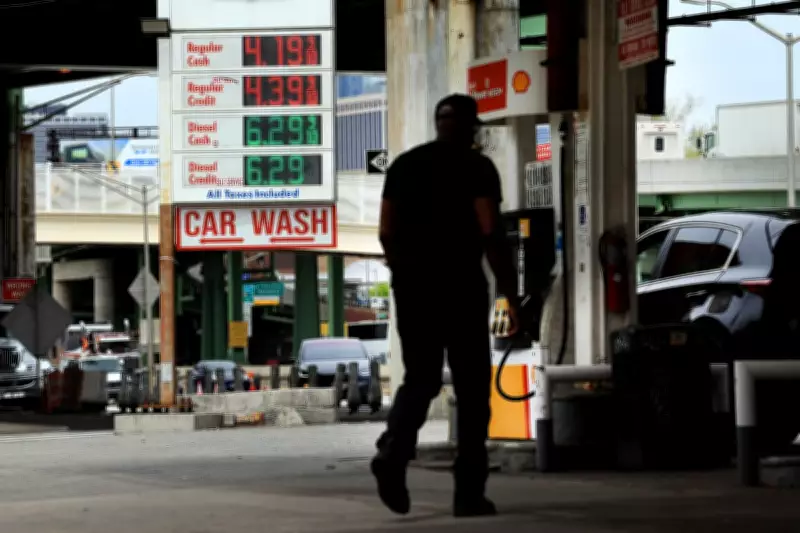
This is the first of three GDP estimates; further readings will be released in the coming weeks. The current data only covers one month of the war, which has driven oil and gas prices for the past two months. On Thursday, global oil prices hit a wartime high of $126 per barrel, surging 13% in 24 hours as peace talks between Iran and the US stalled. The standoff centers on the Strait of Hormuz, a key passage for a fifth of the world's oil and gas supply.
Inflation and Federal Reserve
The full impact of higher oil prices on consumer prices is yet to be seen, though recent data showed a nearly 1% jump in annualized inflation in March, to 3.3%. In times of rapidly rising prices, the Federal Reserve typically adjusts interest rates to influence borrowing costs. However, the central bank faces political pressure from the Trump administration to lower rates, which could fuel further inflation.
Outgoing Fed Chair Jerome Powell said at a press conference that he supports the "hold and wait" strategy, allowing time to assess the effects of the Iran war and Trump's tariffs. He expressed concern about the Fed's independence, stating that "the institution is being battered over these things."
Defense Spending
Defense Secretary Pete Hegseth testified to Congress that the war with Iran has cost the US government at least $25 billion so far, and the Defense Department is requesting an additional $1.5 trillion in military spending.