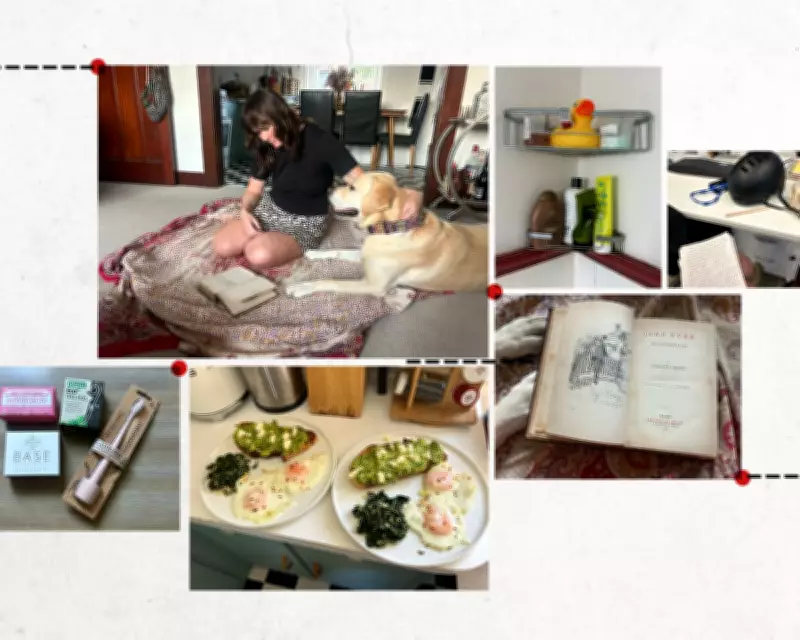
A journalist attempted to avoid petrochemicals for 24 hours, only to find that modern life is virtually impossible without them. From the moment she woke up lying on a polyurethane foam mattress to using a smartphone coated in plastics, every aspect of her day was touched by oil-based products.
Morning failures
The experiment began with immediate setbacks. Her mattress was made of polyurethane foam, a petroleum derivative, and even her partner joked about being "filled with petrochemicals." Professor Yuan Chen from the University of Sydney confirmed that avoiding petrochemicals entirely is "impossible" and "not scientifically correct," noting that even medical consumables rely on them.
Getting out of bed meant stepping onto synthetic carpet fibers. In the bathroom, she used a biodegradable cornstarch toothbrush and toothpaste pellets that tasted like grass, but her cotton towels were grown with petrochemical-based fertilizers and pesticides.
Dressing and daily routines
Finding clothes without plastic buttons, elastic, or zips proved difficult. She opted for secondhand items, which Professor Chen praised as recycling. Even then, her bamboo T-shirt and hemp skirt involved petrochemicals in production.
Walking the dog required avoiding tennis balls made of synthetic rubber. When her dog bit her hand, she needed Band-Aids, which rely on petrochemicals. An oat latte from a café involved plastic-laden machines and oil-transported beans.
Shopping and meals
At the supermarket, even organic produce was wrapped in plastic. Single-use plastics are cheap, Chen explained, and bio-based alternatives are often more expensive and still mixed with petrochemicals for durability. She bought capers and anchovies in glass jars, but they were imported from Italy.
For brunch, she ate organic eggs and kale from her garden, using wooden utensils and cast-iron pans. But cooking on a gas stove still relied on fossil fuels.
Transport and work
She rode an ebike to work, which required charging and had a helmet made from polystyrene and polycarbonate. She avoided her iPhone except for photos, relying on a charcoal pencil and recycled paper to write. Her office building was a minefield of plastic computers and furniture.
Evening reflections
After cycling home via a closed library, she read a 1897 edition of Jane Eyre, as modern books use plastic laminates. Dinner was puttanesca pasta by beeswax candlelight, but the tuna came in paper packaging and the pasta in paper.
By day's end, she had produced no waste but felt "scarily dependent" on the global economy. Plastics generated 1.8 billion tonnes of greenhouse gases in 2019, 3.4% of total emissions. She couldn't last a day without petrochemicals.
Hope for the future
Professor Chen remains optimistic, predicting a shift to electric-powered solutions like EVs and trains, powered by solar and wind. "In the next five or 10 years, there will be a dramatic shift," he said. The journalist concluded that while change is coming, for now, avoiding petrochemicals is nearly impossible.