Millions of Britons are engaging in 'prepping' for a potential 'major disruptive event' by keeping cash at home, stockpiling tinned goods, or ensuring they have a battery-powered torch nearby, according to new data.
Growing Concerns Drive Contingency Planning
With ongoing conflicts in the Middle East and Ukraine, increasing frequency of extreme weather events, and warnings about risks to UK critical infrastructure from cyber attacks and power outages, many individuals perceive the world as more dangerous and chaotic. Some are taking steps to avoid being stranded during a bank IT failure, while others prepare for natural disasters or even societal collapse. UK experts have advised households to maintain an emergency food supply in case of shortages that disrupt normal services.
Link Survey Highlights Preparedness Actions
Link, the UK's ATM network, tracked public behavior and thinking about cash usage. For the first time, researchers asked about 'contingency planning' for events causing 'major disruption to normal services,' such as power outages, IT failures, natural disasters, or cyber attacks. War or conflict was not explicitly mentioned.
When asked how they would cope if card and mobile payments were unavailable, 54% of respondents said they would withdraw cash from an ATM. Additionally, 46% would use food supplies at home, 41% would use cash on their person, 36% would use cash kept at home, and 31% would shop online. Notably, 15% would rely on a dedicated stash of banknotes and coins saved for such scenarios.
Current Preparedness Measures
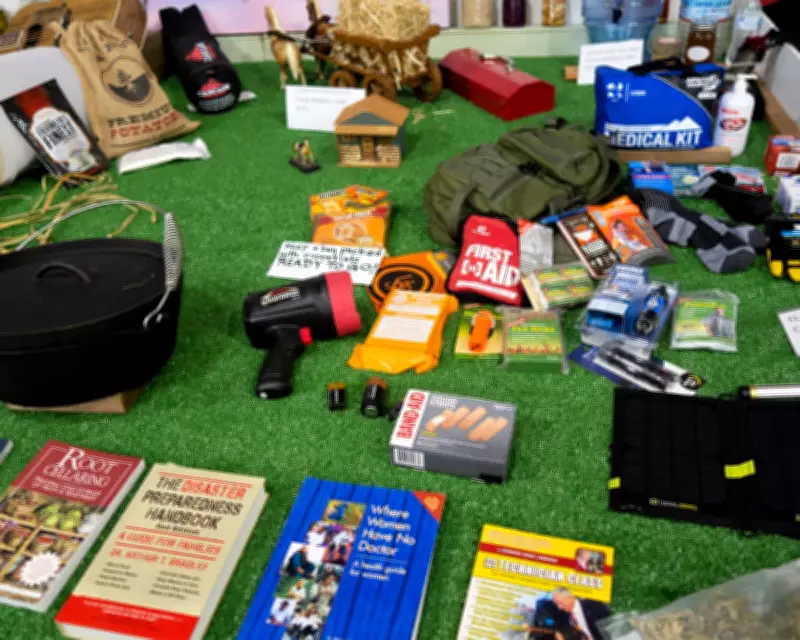
Researchers also inquired about actions already taken. Nearly half (49%) had battery-powered items like torches at home, 47% had tinned goods such as baked beans and canned fruit, 37% kept a power bank for phone charging, 20% had a portable gas hob like a camping stove, 15% owned an analogue radio, and 17% had a stash of cash at home. Over a quarter (27%) had taken no preparatory actions. Among those who had, 23% did so within the last three months.
Cash as a Resilience Tool
Graham Mott, Link's director of strategy, noted that the data highlights cash's growing role in resilience planning amid rising public concern about threats like power outages, cyber attacks, and payment disruptions. The UK government's Prepare website recommends assembling emergency items including tinned food, bottled water, a first aid kit, hand sanitiser, battery-powered or wind-up torch and radio, portable power bank, and spare batteries.
Specialist 'prepper' shops have become popular in the UK, with some reporting a boom after Covid lockdowns. The Link survey, based on a YouGov poll of 2,137 people in March, was weighted to represent all UK adults.