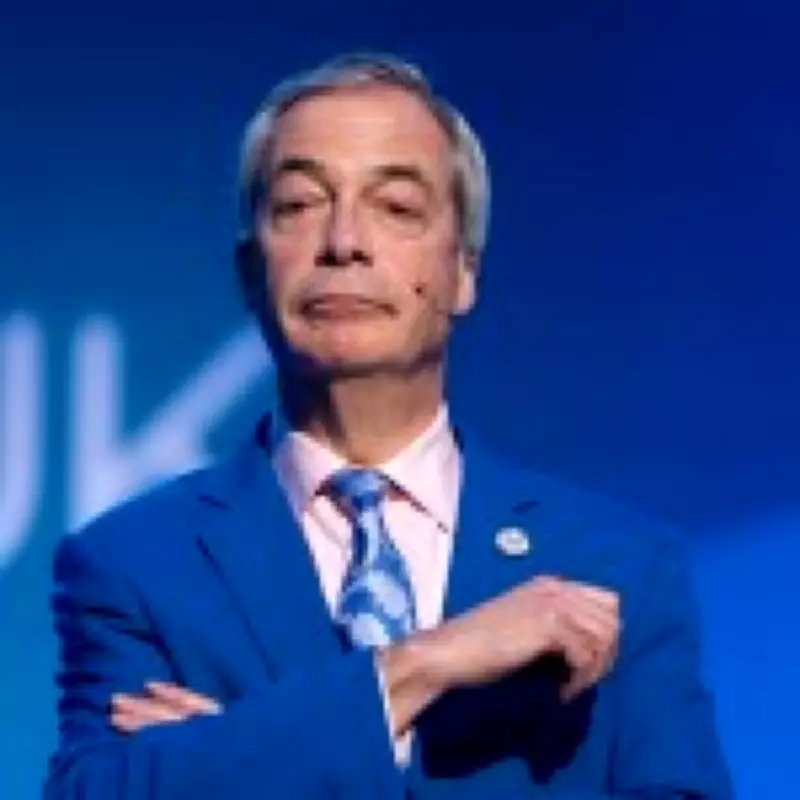
Nigel Farage's Crypto Investments Reveal Political Priorities Amid Global Crises
As global tensions escalate with ongoing conflicts in Ukraine and Iran pushing the world toward potential wider confrontation, most political leaders are focused on addressing urgent international and domestic challenges. Against this backdrop of volatility affecting oil prices, energy costs, and household finances, Reform UK leader Nigel Farage has chosen a different path, investing substantial personal funds in cryptocurrency ventures.
Substantial Crypto Stake Through Media Company
Specifically, the member of parliament for Clacton has invested £215,000 in Stack BTC, a cryptocurrency company, securing a 6.3% stake through his media vehicle Thorn In The Side Ltd. This substantial financial commitment represents just one aspect of Farage's engagement with the controversial cryptocurrency industry.
This investment follows multiple paid appearances at cryptocurrency events, including £20,000 for speaking at the Zebu Live crypto conference, £30,000 for an appearance at a Blockworks event, and £7,410 from the Bitcoin Conference. For a politician who positions himself as a champion of the working class, these substantial earnings from a volatile and speculative industry raise questions about alignment between public rhetoric and private financial interests.

Political Connections and Contradictions
The Stack BTC investment carries additional political significance as the company is chaired by former Chancellor Kwasi Kwarteng, whose brief tenure under Liz Truss lasted just 38 days. This partnership represents a notable reversal, given that Kwarteng warned about what he described as a 'threat from the populist right' less than a year ago, specifically mentioning Farage.
While these financial activities don't violate parliamentary rules, they create ethical concerns about potential conflicts of interest, particularly as Reform UK remains the only elected British political party accepting cryptocurrency donations. The situation becomes increasingly complex when a party leader simultaneously accepts personal income from the industry, welcomes its political donations, and could potentially influence related legislation.
Broader Political Context and Contradictions
Farage's cryptocurrency activities occur within a broader political context where his party has embraced former Conservative MPs with controversial records, including Robert Jenrick, Suella Braverman, and Nadhim Zahawi. This contradicts Reform UK's founding promise to challenge the political establishment, instead creating what critics describe as a 'Tory 2.0' version of the party.
The pattern extends internationally, with Farage traveling 4,500 miles to Florida expecting to meet Donald Trump, only to be left without the promised engagement. This episode, combined with his cryptocurrency focus, paints a picture of a politician more engaged with personal financial opportunities and international networking than with addressing Britain's pressing domestic challenges.
Ethical Questions and Political Representation
The fundamental question emerging from these revelations concerns political priorities during times of national and international crisis. While energy bills explode and families struggle with the cost of living, Farage's substantial cryptocurrency investments and speaking fees suggest different personal priorities than those he publicly advocates.
This situation creates a paradox where a politician who built his career criticizing the establishment as 'rotten, self-serving and in it for themselves' now engages in financial activities that mirror the behavior he condemns. The ethical boundaries become increasingly blurred when personal financial interests intersect with political influence and party fundraising practices.
As Britain faces multiple challenges from international conflicts to domestic economic pressures, voters must consider whether their representatives are focused on public service or personal financial opportunities. The cryptocurrency investments and related activities raise legitimate questions about where professional political responsibilities end and personal financial interests begin in contemporary British politics.