Binance Internal Investigators Uncover Billions in Iranian Transactions
Internal investigators at Binance, the world's largest cryptocurrency exchange, have reportedly discovered that the platform may have facilitated billions of dollars in transactions to Iranian entities, including groups backed by the Iranian government. This revelation comes shortly after former President Donald Trump pardoned Binance founder Changpeng Zhao in the fall of 2023, raising significant questions about compliance and oversight at the crypto giant.
Details of the Investigation and Alleged Transactions
According to reports from the New York Times and Wall Street Journal, a team of internal Binance investigators found that individuals in Iran had accessed over 1,500 accounts on the exchange. Among these, at least two accounts were allegedly involved in moving approximately $1.7 billion to Iranian-backed groups throughout 2024 and 2025. These recipients included Yemen's Houthi militants, who are known to receive support from Iran, highlighting potential breaches of international sanctions.
The investigators claim they reported these suspicious transactions to Binance's executive leadership. However, instead of being commended for their diligence, at least four employees were reportedly disciplined, with some fired or suspended. The company allegedly cited "violations of company protocol" related to client data handling as the reason for these actions, though the timing has sparked concerns about retaliation.

Binance's Response and Legal History
In a statement to the Guardian, a Binance spokesperson denied any wrongdoing, asserting that the company "did not violate sanctions laws in respect of the transactions described." The spokesperson also refuted claims that internal investigators were dismissed for raising compliance issues, stating, "No investigator was dismissed for raising compliance concerns or for reporting potential sanctions issues."
This controversy adds to Binance's troubled legal history. In 2023, Changpeng Zhao pleaded guilty to money laundering charges, resigning from the company and receiving a four-month prison sentence. As part of his plea deal, Zhao agreed to pay a $50 million fine and was barred from any involvement in Binance's operations. The company itself also pleaded guilty that year, agreeing to internal monitoring, a criminal fine of nearly $1.81 billion, and an additional $2.51 billion forfeiture to settle three criminal charges.
Political Context and Trump's Pardon
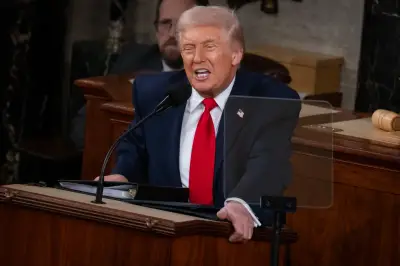
The timing of these discoveries is particularly noteworthy, as they reportedly came to light within Binance before Trump's pardon of Zhao in October 2023. Trump downplayed Zhao's crimes, telling reporters, "They say what he did was not even a crime. It wasn't a crime. That he was persecuted by the Biden administration and so I gave him a pardon at the request of a lot of very good people."
Trump's connections to Zhao and Binance have drawn scrutiny, given that Trump's family crypto business, World Liberty Financial, has worked with Binance, and Zhao attended a conference at Mar-a-Lago earlier this month. This pardon has fueled debates over the intersection of cryptocurrency regulation, political influence, and national security concerns.
Broader Implications and Ongoing Scrutiny
The alleged Iranian transactions involve entities considered chief foreign adversaries, with reports indicating that the Trump administration had been planning strikes against such groups. This raises alarms about the potential use of cryptocurrency platforms to bypass sanctions and fund hostile activities, underscoring the need for stricter regulatory oversight in the crypto industry.
Binance had previously vowed to crack down on bad actors using its platform, including customers from Iran, as part of its 2023 settlement. However, these new allegations suggest ongoing compliance challenges. The White House and Binance did not immediately respond to requests for comment on the latest reports, leaving many questions unanswered about the full scope of these transactions and their impact on global security.

As investigations continue, this case highlights the critical role of internal whistleblowers and the complex dynamics between cryptocurrency exchanges, political figures, and international sanctions regimes. The fallout may prompt renewed calls for enhanced transparency and accountability in the rapidly evolving digital asset space.