
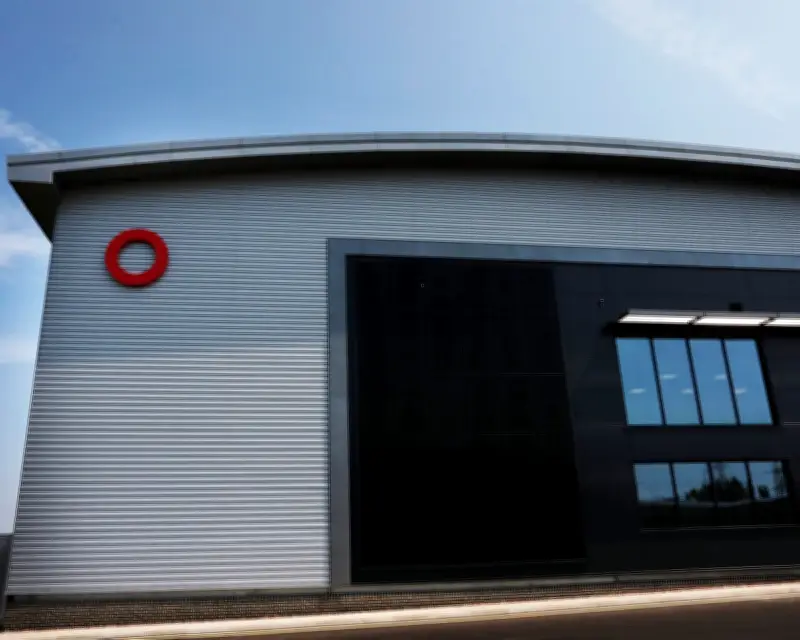
UK warehouse landlord Segro has rejected a £12.6bn all-share takeover approach from US rival Prologis, which was made public after being "unequivocally rejected" by Segro's board. Prologis is appealing directly to Segro's shareholders to engage in talks.
Offer details and valuation
Under the terms of the proposal, Segro shareholders would receive 0.084 Prologis shares for each share they hold, implying a value of 925p per Segro share. This represents a 24.6% premium to Segro's closing price on Tuesday. However, Segro's board unanimously rejected the offer, stating it "falls a long way short of Segro's own views on value."
Market reaction and context
Segro's shares jumped up to 15% in early trading on Wednesday to 875p, making them the top riser in the FTSE 100. The company, known for building warehouses to support online shopping for clients like Amazon and Netflix, saw its shares soar during the pandemic but have since fallen about 40% from their peak in late 2021.
Segro called the offer "opportunistically timed," saying Prologis sought to take advantage of a dislocation between Segro's share price and its underlying business prospects. The company attributed its share price decline to geopolitical issues that have impacted UK and European real estate valuations relative to US counterparts.
Strategic assets and future prospects
Segro highlighted its large development pipeline, including datacentres, as a key asset. The company's Slough trading estate now hosts the second largest portfolio of datacentres globally, which has fueled Prologis's interest.
Oli Creasey, head of property research at Quilter Cheviot, said the offer would send ripples through the UK real estate investment trust sector. "It remains to be seen whether the combination will go ahead – in our view Prologis would be reluctant to increase the offer materially … the entire sector could be back in the shop window for even larger, foreign companies."
Implications for UK market
Dan Coatsworth, head of markets at AJ Bell, noted that if Prologis succeeds, it would represent another large-cap loss from the UK market, diminishing its breadth and quality. Segro, originally the Slough Estates Group, began in 1920 as the Slough Trading Company, converting a military repair depot into an early industrial estate.




