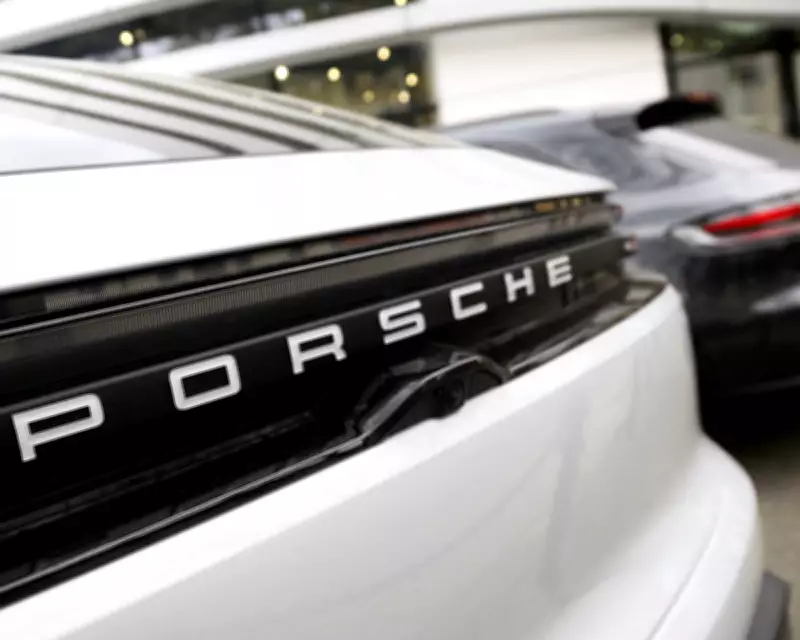
In a major corporate shake-up, Porsche has announced substantial job reductions as part of a costly reversal of its electric vehicle strategy. The German luxury carmaker, known for its high-performance sports cars, is scaling back its ambitious plans for electrification due to soaring expenses and shifting market dynamics.
Strategic Shift and Financial Pressures
The decision to cut jobs stems from Porsche's reassessment of its electric car initiatives, which have proven more expensive than initially projected. The company had previously committed to a rapid transition to electric vehicles, investing heavily in new technologies and production facilities. However, rising costs associated with battery development, supply chain disruptions, and competitive pressures have forced a strategic pivot.
Industry analysts note that Porsche's move reflects broader challenges in the automotive sector, where many manufacturers are grappling with the high capital requirements of electric vehicle production. The reversal highlights the delicate balance between innovation and financial sustainability in an evolving market.
Impact on Workforce and Operations
While exact numbers have not been disclosed, reports indicate that the job cuts will affect multiple departments, including research and development, manufacturing, and administrative roles. Porsche has emphasized that the reductions are necessary to streamline operations and reallocate resources toward more profitable ventures.
The company stated, "We are adapting our strategy to ensure long-term competitiveness in a rapidly changing industry. This includes difficult decisions regarding our workforce, which we are handling with the utmost care and respect." Employee representatives have expressed concern over the layoffs, calling for transparent dialogue and support for affected workers.
Market Reaction and Future Outlook
The announcement has sparked mixed reactions from investors and industry observers. Some view the strategy reversal as a pragmatic response to economic realities, while others criticize it as a setback for environmental goals and technological progress. Porsche's stock price experienced volatility following the news, reflecting uncertainty about the company's direction.
Looking ahead, Porsche plans to focus on hybrid models and incremental electrification, rather than a full-scale shift to electric vehicles. This approach aims to leverage existing expertise in combustion engines while gradually integrating electric components. The company also intends to explore partnerships and collaborations to share costs and risks in future projects.
Experts suggest that Porsche's experience may serve as a cautionary tale for other automakers, underscoring the need for flexible strategies in the transition to sustainable mobility. As consumer preferences and regulatory frameworks continue to evolve, adaptability will be key to survival in the competitive automotive landscape.