Netflix Co-Founder Reed Hastings Announces Departure from Board
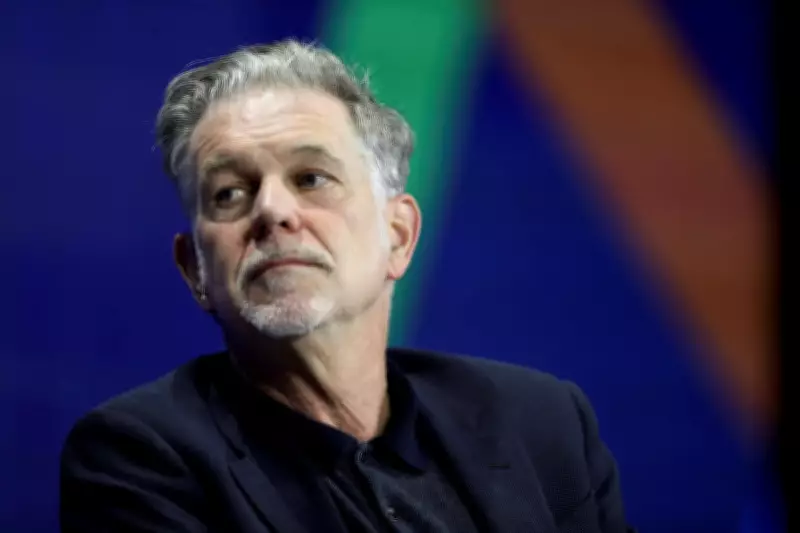
Reed Hastings, the chair and co-founder of Netflix, is stepping down from the streaming service he helped establish nearly three decades ago. This move comes as Netflix stabilizes following a failed $72 billion acquisition bid for Warner Bros Discovery. In a 14-page investor letter released on Thursday, the company confirmed Hastings will not stand for re-election at the annual meeting in June, with plans to dedicate his time to philanthropy and other ventures.
The announcement triggered an 8% drop in Netflix's share price, reflecting investor concerns. However, Netflix emphasized in a Securities and Exchange Commission filing that Hastings' decision was "not as a result of any disagreement with the company." No successor for his board seat has been named yet.
Hastings' Legacy and Future Focus
In the shareholder letter, Hastings, 65, reflected on his journey, stating Netflix had profoundly changed his life. He highlighted January 2016 as a pivotal moment when the service became accessible globally. Hastings expressed gratitude to co-chief executives Ted Sarandos and Greg Peters, noting their leadership allows him to pursue new interests. "Reed will always be Netflix's founder and biggest champion," said Peters, adding that Hastings is integral to the company's DNA.
Hastings co-founded Netflix 29 years ago in northern California with entrepreneur Marc Randolph, transforming it from a mail-order DVD rental service into a streaming giant. The launch of streaming in 2007 ignited fierce competition with traditional media and tech firms. Hastings stepped down as CEO in 2023, marking a gradual transition from day-to-day operations.
Netflix's Financial Performance and Strategic Outlook
Netflix reported a 16% year-over-year revenue increase to $12.25 billion, slightly surpassing analyst expectations of $12.18 billion. The company's full-year financial outlook remains unchanged, with a mission to entertain diverse global audiences through movies and series.
Despite losing the Warner Bros deal, which ended in a $2.8 billion termination fee for Netflix, the company described the acquisition as a "nice to have, not need to have." The bidding war concluded with Paramount Skydance acquiring Warner Bros for $110 billion, after pressure from Washington officials who favored Paramount's bid due to political ties.
Future Growth Initiatives and Market Reaction
Netflix is investing in expanding its entertainment offerings, including video podcasts and live events like the World Baseball Classic in Japan, to boost user engagement. The company aims to leverage technology for enhanced user experiences and monetization, with advertising revenue projected to double to $3 billion by 2026.
Ben Barringer, head of technology research at Quilter Cheviot, commented on Hastings' departure, noting his role in shaping Netflix's agile culture and strategy. "The share price has subsequently been punished harshly. This may be a slight overreaction, but with a double whammy of mediocre results and the departure of a key figure, it is not surprising investors are trimming positions," he said.
Netflix continues to navigate the competitive streaming landscape, emphasizing innovation and growth in its post-Hastings era.