
The UK government is poised to announce a radical transformation of the country's competition regime this week, marking the most significant shake-up in corporate merger scrutiny for decades. Sky News has learned that plans from the Department for Business and Trade (DBT) will fundamentally alter how the Competition and Markets Authority (CMA) operates.
End of the Independent Panels and New Power Structure
A central pillar of the reform will be the abolition of the CMA's independent panels system. Currently, these panels of external experts convene to assess whether corporate deals raise serious competition concerns. Under the new structure, this function will be replaced by board sub-committees.
One sub-committee will scrutinise mergers undergoing in-depth Phase-2 investigations, like the ongoing probe into the merger of bread brands Hovis and Kingsmill. Another will supervise wider market studies. Crucially, CMA chief executive Sarah Cardell will be eligible to sit on at least one of these sub-committees, a move insiders say will significantly increase the influence of the regulator's boss over case outcomes.
Sweeping Changes to Jurisdiction and Appeals
The overhaul extends beyond internal structures. A government source indicated that the CMA's jurisdictional reach could be curtailed, potentially limiting its ability to examine certain mergers, such as those between two foreign companies. Furthermore, officials have considered scrapping the right for parties to appeal the merits of a merger decision, leaving only the narrower path of judicial review available.
The process for investigating whole market sectors will also be refined. The CMA's current two-stage approach of market studies and market investigations will be merged into a single procedure lasting between six and 12 months. This is currently being tested in the long-running probe into the UK's veterinary services market.
Growth Focus and Independence Concerns
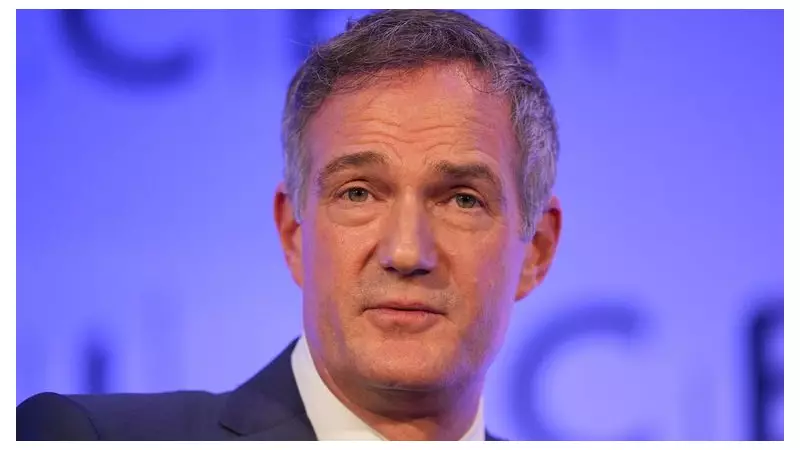
Business Secretary Peter Kyle could announce the plans at the World Economic Forum in Davos, Switzerland, framing them as part of the government's drive to boost economic growth. The reforms, expected a year after ministers ousted former CMA chairman Marcus Bokkerink, are said to be designed to accelerate decision-making and provide greater certainty to businesses.
However, the proposals are likely to face intense scrutiny. Regulatory experts warn they risk undermining the independence of merger investigations. "There is a risk... as it makes the system more vulnerable to political influence and gives far more discretion to the CMA's CEO and board," one regulatory lawyer cautioned. Critics may also argue that adding external experts to the new mergers sub-committee poorly replicates the abolished panel system.
A Whitehall source described the package as the most significant proposed change to the competition landscape in decades. Neither the DBT nor the CMA provided comment on the planned overhaul.




