Kid Rock Voices Disbelief Over Justice Department's Settlement with Live Nation
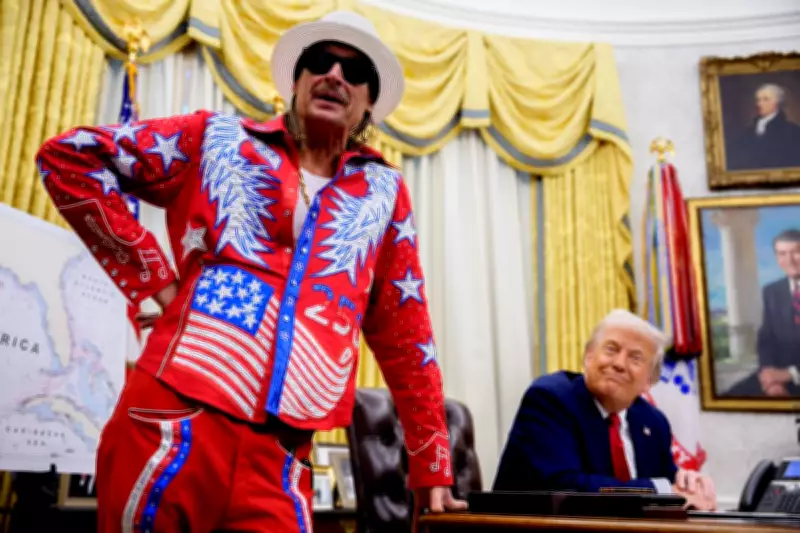
Kid Rock, a prominent ally of former President Donald Trump, has publicly expressed his bewilderment regarding the recent settlement reached between the U.S. Department of Justice and Live Nation Entertainment. The settlement came just one week into a high-profile antitrust trial targeting Ticketmaster's parent company.
In an interview with former Rolling Stone editor-in-chief Noah Shachtman, featured in a New York Times essay, Kid Rock questioned the decision to negotiate rather than allow the trial to reach its natural conclusion. "I don't understand why they would negotiate a settlement," Kid Rock stated. "Why not just let it see its course? Let's see what 12 people decide."
Background of the Antitrust Lawsuit
The Justice Department, under the Biden administration, initiated the lawsuit against Live Nation in 2024, alleging the company abused its market dominance to create illegal monopolies in the entertainment industry. Upon returning to office, President Trump permitted the Justice Department to continue pursuing the case, which was joined by attorneys general from 39 states and Washington D.C.
Kid Rock was scheduled to testify at the trial alongside Mumford & Sons' Ben Lovett and executives from various ticketing companies and venues that claimed harm from Live Nation's practices. The trial began earlier in March but was unexpectedly interrupted by the settlement announcement on March 9.
Details of the Settlement Agreement
The settlement represents a significant shift from the Justice Department's initial stance. Just days before the agreement, Justice Department attorney David Dahlquist declared in his opening statement that the concert industry is "broken" and "controlled by a monopolist... controlled by Live Nation."
Under the terms of the settlement, Live Nation will establish a $280 million fund for states that participated in the lawsuit. Additionally, Ticketmaster must open portions of its platform to competing ticketing companies, cap service fees at 15% of ticket prices, and terminate exclusive booking agreements with 13 U.S. venues.
Judge Arun Subramanian recently announced that Arkansas, Nebraska, and South Dakota have joined the Justice Department in accepting the settlement and withdrawing from the case. However, approximately three dozen states remain opposed to the agreement and continue their litigation against Live Nation.
Conflicting Perspectives on the Settlement
Live Nation maintains that Ticketmaster retains only about 5% of what concertgoers pay for tickets and denies operating as a monopoly. Company attorney David Marriott argued in court that "every customer we get is a hard-fought battle in a competitive marketplace."
Michael Rapino, President and CEO of Live Nation Entertainment, hailed the settlement as "a major step in improving the concert experience for artists and fans," claiming it empowers artists and keeps costs affordable for consumers.
In contrast, New York Attorney General Letitia James, representing one of the states continuing the lawsuit, criticized the settlement for "failing to address the monopoly at the center of this case." She affirmed her commitment to pursuing litigation to "protect consumers and restore fair competition to the live entertainment industry."
Judge Subramanian has directed the remaining states to engage in settlement discussions with Live Nation before allowing the trial to resume, leaving the future of this landmark antitrust case uncertain.