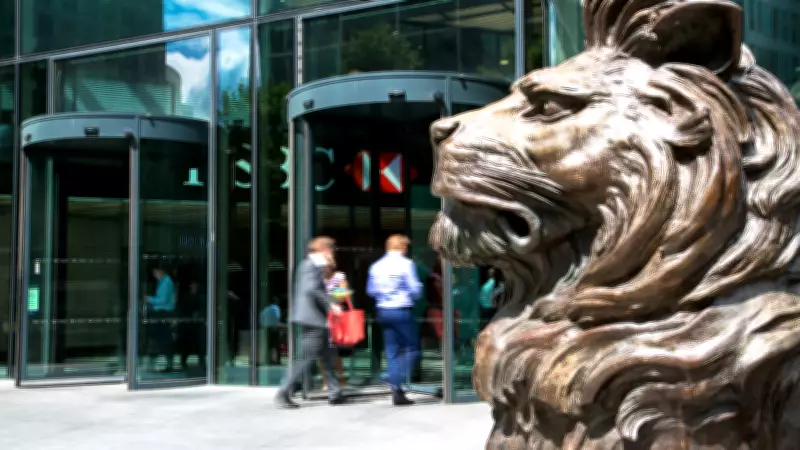
HSBC unveiled its annual financial results on Wednesday, revealing a significant seven per cent decline in pre-tax profit, which fell by $2.4 billion to $29.9 billion. This drop occurred even as the banking giant experienced a substantial boom in its wealth management division, highlighting a complex financial landscape for the FTSE 100 lender.
Impairment Charges Weigh on Performance
The bank attributed the profit slide to approximately $5 billion in adverse impacts from notable items. Among these was a $1.1 billion provision linked to the Bernie Madoff fraud scandal, recorded in the third quarter. Despite these challenges, HSBC's revenue managed to climb by four per cent, reaching $68.3 billion, buoyed by strong fee and income growth in its wealth operations.
Wealth Management Division Shines
Chief executive Georges Elhedery emphasized the wealth management sector as a key focus area, and the numbers reflected this strategy. Wealth income streams surged by an impressive 24 per cent, totaling $9.4 billion for the year. This growth underscores HSBC's ongoing transformation into a more agile and focused institution, as Elhedery noted in his statement.
Capital Stability and Buyback Strategy
HSBC's common equity tier 1 (CET1) ratio, a critical measure of financial stability, held steady at 14.9 per cent. The bank explained that this figure accounted for increases in risk-weighted assets due to foreign currency translation differences and asset size movements. Looking ahead, HSBC aims to restore its CET1 ratio to a target range of 14 to 14.5 per cent in the medium-term.
In line with this goal, the bank announced it will withhold any share buybacks until achieving stable footing. This decision follows a controversial move to take control of Hang Seng Bank, a transaction that carried a 30.3 per cent premium and is expected to impact the CET1 ratio by approximately 125 basis points. HSBC plans to rebuild its capital through organic generation rather than immediate buybacks.
Dividend Adjustments and Future Outlook
While no new buyback program was initiated, HSBC's board declared a fourth interim dividend of 45 cents per share, bringing the total dividend for 2025 to 75 cents per share. This represents a decrease from the previous year's total of 87 cents per share. Elhedery expressed confidence in the bank's strategic direction, stating, "We are becoming a simple, more agile, focused bank, one that moves with the speed our customers need to navigate the modern world. We are delivering growth, investing for growth and we are executing our strategy with discipline and precision."
He added that this approach provides assurance in HSBC's ability to continue delivering value for shareholders, despite the current profit pressures and ongoing capital management challenges.