
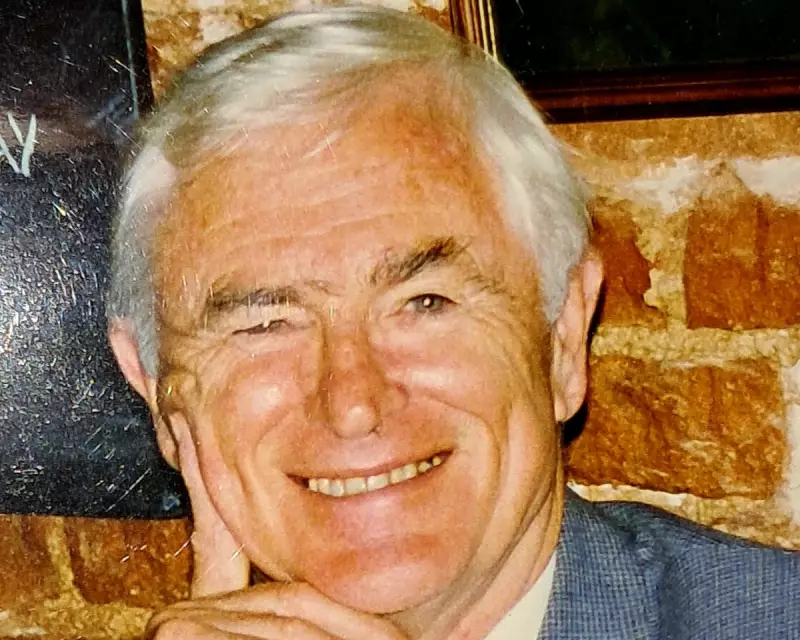
Harry Constable: A Life of Innovation and Inclusive Leadership in Paper-Making
Harry Constable, who has died aged 94, was a towering figure in the international paper-making industry during the 1970s and 80s, renowned for his pioneering technical innovations and forward-thinking management practices. His career, which spanned decades, saw him rise from humble beginnings to become a respected managing director, leaving a lasting legacy in the sector.
Technical and Managerial Breakthroughs
At the Chartham paper mill in Kent, where Harry ascended to a senior management role, he was instrumental in guiding significant technical advancements. One notable innovation was the introduction of photo-base papers for extrusion coaters in tracing paper, a development that enhanced production efficiency and quality. From a managerial perspective, Harry was among the early adopters in the UK of the Total Quality Management system. This approach emphasised that every employee, regardless of their position, should have a clear understanding of the company's objectives and actively contribute to quality improvements—a philosophy that aligned perfectly with his own inclusive and collaborative ethos.
Early Career and Steady Ascent
Born in Bridgend, south Wales, to Henry, a french polisher, and Jeanette (nee Murphy), who worked in service before marriage, Harry moved to England during his youth. He attended Wycombe Technical College in High Wycombe, Buckinghamshire, and at the age of 16 in 1947, he secured a position as a laboratory assistant at the local Glory paper mill. As the youngest salaried employee among a workforce of 450, his first day was marked by a humorous initiation: he was told to don a white coat and explore the mill, only to later discover the words "they call me laughing boy" scrawled on the back. Undeterred by this prank, Harry demonstrated resilience and dedication, steadily climbing the ranks to become production manager at Glory and eventually rising to managing director at Chartham by his retirement in 1992.
Commitment to Health, Safety, and Community
Having experienced a serious hand injury from a machine accident earlier in his career, Harry became a staunch advocate for health and safety in his managerial roles. In the 1980s, at the Glory mill, he was also deeply conscious of his responsibility to support the community during challenging economic times. He actively provided employment opportunities for unemployed workers, many of whom travelled from northern England or Scotland to Buckinghamshire in search of work. A bulging file of appreciative letters received upon his retirement included one from a man whom Harry had hired against colleagues' advice after he had been dismissed from a previous job and was unemployed for months at age 55. Harry remarked, "I knew he wouldn't make the same mistake twice," reflecting his belief in second chances and trust in people.
Beyond the Workplace: Magistrate and Sportsman
Outside of his professional life, Harry served as a magistrate for many years, first in High Wycombe and later in Canterbury. In this role, he was known for moderating the punitive tendencies of others on the bench, demonstrating his fair-minded and compassionate nature. He was an active member of the Rotary Club and maintained a lifelong passion for sports. As a young man, he was an amateur boxer, and he continued to be a keen cyclist and runner throughout his life. Remarkably, he played tennis well into his 80s, showcasing his enduring vitality and love for physical activity.
Personal Life and Legacy
Harry married Elaine (nee Fay), a nurse, in 1955, and she predeceased him in 2023. He is survived by their two sons, Stephen and Stuart, and seven grandchildren. His legacy extends beyond his family to the paper-making industry, where his innovations and inclusive leadership practices continue to inspire. Harry Constable's life story is a testament to hard work, innovation, and a deep commitment to improving both workplaces and communities.




