London's Skyscraper Regulations Face Controversial Modifications
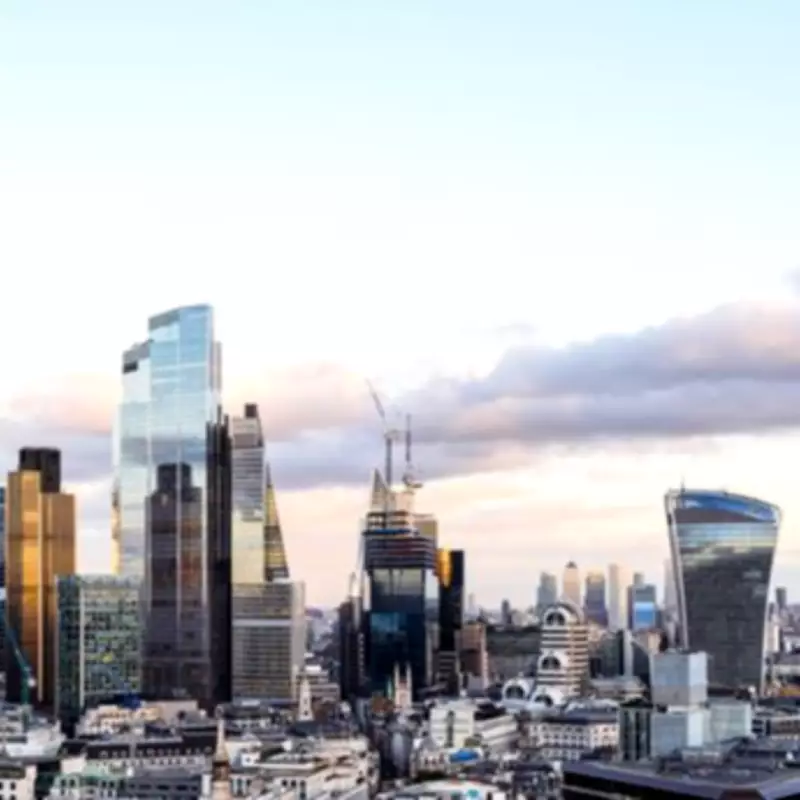
The City of London Corporation's forthcoming City Plan 2040, scheduled for adoption this summer, contains proposed modifications that community groups warn could fundamentally alter skyscraper development regulations in the Square Mile. The most contentious change suggests that on sites already containing tall buildings, both within and outside officially designated clusters, the existing structure's presence should be considered when evaluating new development proposals.
Community Concerns Over Skyline Management
Liz Hirst, Vice-Chair of the Barbican and Golden Lane Neighbourhood Forum, has expressed significant alarm about these potential modifications. "London's economy benefits from some tall buildings, but not at the expense of heritage, open space or amenity," Hirst told the Local Democracy Reporting Service. "The City of London has form in trying to get round this, and the previous draft City Plan was rejected for not clustering tall buildings sufficiently."
Hirst characterized the proposed changes as "a charter for building very high in unsuitable places" that could undermine the careful curation of London's distinctive skyline. She particularly criticized the lack of specific height limits, which the Corporation maintains it is not obligated to establish, calling this omission "shocking" and potentially detrimental to London's overall character.
Designated Zones and Planning History
The City of London Corporation has historically identified three primary zones suitable for tall building development: the prominent City Cluster surrounding the iconic Gherkin, the Fleet Valley area, and a smaller Broadgate section subject to modifications in the current City Plan. These designations represent the Corporation's effort to balance skyscraper development with heritage preservation and skyline management.
The planning process has been extensive, with a previous iteration, City Plan 2036, undergoing development from 2016 through 2021 before being withdrawn due to consultation concerns. The revised City Plan 2040 was submitted in August 2024 and examined publicly by Planning Inspectors Alastair Phillips and Jameson Bridgwater, who proposed the modifications now under consideration.
Corporate Response and Policy Position
A City of London Corporation spokesperson defended the proposed modifications, stating: "Following extensive public hearings, the Planning Inspectors have issued their list of modifications to the City Plan. These are few in number, limited in scope and fully align with the key aims of the plan."
The spokesperson emphasized confidence that "the City Plan is built on solid foundations and will successfully set an evidence-based blueprint for the future growth of the Square Mile." The Corporation maintains that its policy position continues to focus tall buildings in specific locations, despite the proposed modifications that could allow exceptions.
Broader Implications and Strategic Objectives
The City Plan 2040 encompasses comprehensive urban planning elements beyond skyscraper regulations, including:
- Transport infrastructure development and management
- Green space preservation and enhancement
- Office space expansion exceeding one million square metres
- Progress toward becoming a net zero carbon city
The plan's "heritage and tall buildings" section specifically addresses the tension between preserving historical character and accommodating modern development needs. This balance was extensively debated during last year's public hearings, reflecting the complex challenges facing one of the world's premier financial districts.
Community groups have requested that the Greater London Authority formally object to what they characterize as "last-minute changes" that could permit skyscraper construction across the Square Mile without adequate height restrictions or cluster limitations. The Corporation is currently processing consultation responses before forwarding them to planning inspectors for final consideration, with adoption anticipated this summer.