Glasgow Central Station Fire Highlights Vulnerability of Historic Buildings
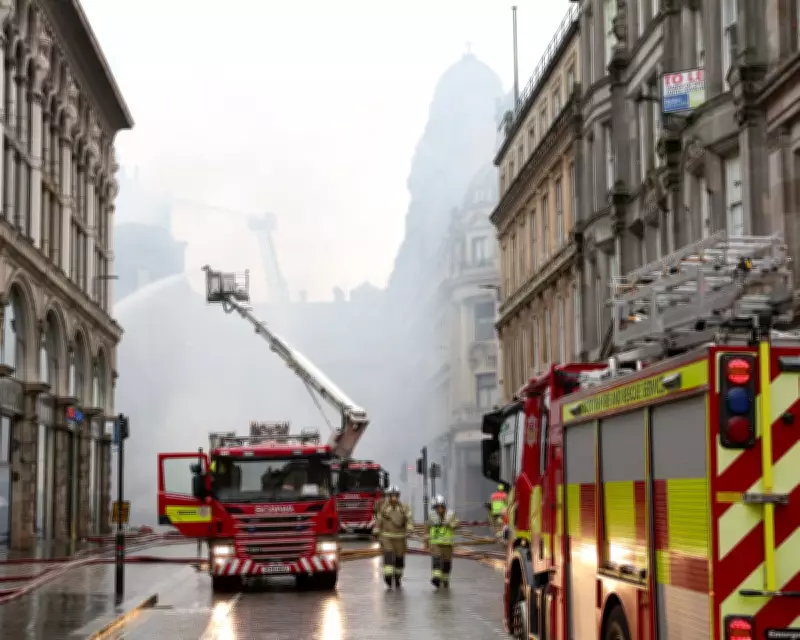
The recent fire at Glasgow Central railway station has reignited concerns about the fragility of the city's historic architecture. The blaze, which broke out on Sunday afternoon, was a stark reminder of previous devastating fires, including those at the Glasgow School of Art's Mackintosh building in 2014 and 2018.
For many residents, the scene was all too familiar: emergency vehicles crowding the streets, smoke obscuring the skyline, and the acrid smell lingering into Monday morning. This incident follows other losses, such as the collapse of B-listed tenements in Pollokshields last summer and a derelict building fire on Carlton Place in 2024.
A Call for Proactive Preservation
Architect and critic Rory Olcayto emphasizes that Glasgow must treat its built fabric as integral to its social fabric. "Until Glasgow treats its built fabric as part of its social fabric, these crises will keep happening," he warns. "Too many senior decision-makers in Glasgow still act as if the city has to choose between looking after people and looking after its buildings."
However, there are signs of progress. The city council is investing in heritage projects, such as converting abandoned B-listed tenements in the west end into affordable homes. Additionally, efforts are underway to renovate the Egyptian Halls, an A-listed commercial space designed by Alexander "Greek" Thomson, which has been vacant for 15 years.
The Challenge of Urban Decline
The hollowing out of Glasgow's city centre mirrors trends across the UK, with gap sites and stalled renovations becoming common. Factors include declining footfall, the rise of online shopping, pandemic impacts, and soaring construction costs. Currently, 143 buildings in the city centre are on Historic Environment Scotland's "at risk" register.
Niall Murphy, director of Glasgow City Heritage Trust, notes that building owners bear responsibility for maintenance. "Everyone assumes that this is a council problem. In actual fact, it's the owners of the building – they're the ones who are meant to be maintaining the building," he explains. The trust is working to shift from reactive to proactive maintenance culture.
Safety and Structural Concerns
The fire at Glasgow Central station raises questions about safety in older buildings. Scottish Labour MSP Paul Sweeney calls for stricter protocols for pre-1900 structures, citing the art school fire as an example of high-risk materials in historic settings.
While the cause of the Glasgow Central fire remains under investigation, Professor Guillermo Rein of Imperial College London suggests lithium-ion batteries in a vape shop may have played a role. "Lithium-ion battery fires tend to be unusually resistant to suppression," he says, highlighting potential challenges for fire services.
The council's built heritage commission, established two years ago, aims to manage and restore vacant properties. With the Commonwealth Games approaching, there is renewed focus on preserving Glasgow's architectural legacy while addressing urban revitalization needs.