
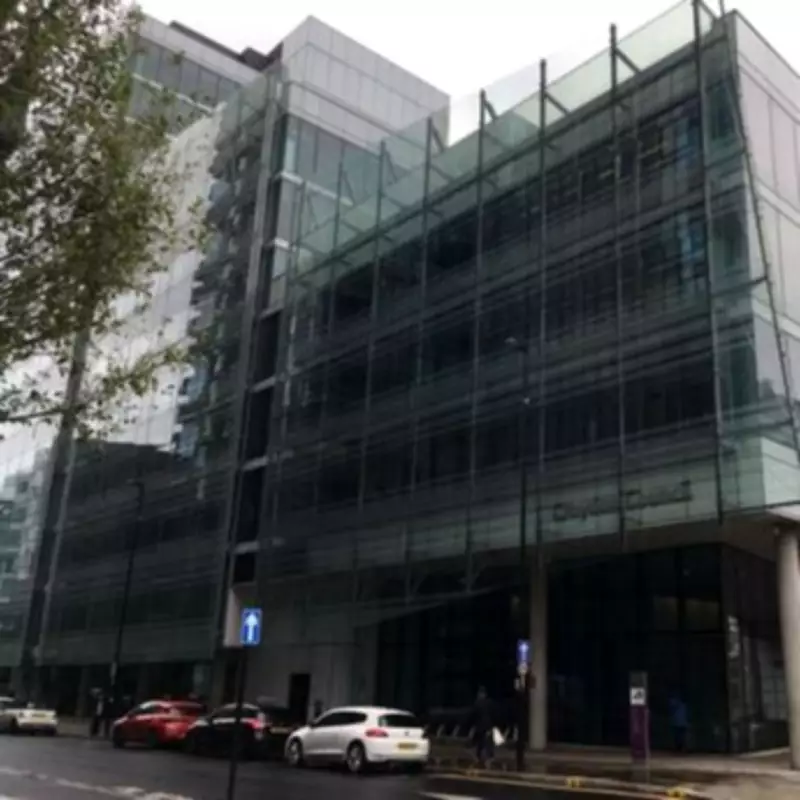
Croydon's Financial Outlook: Expert Warns Best Case is Simply Avoiding Further Decline
A leading local government finance expert has delivered a sobering assessment of Croydon Council's financial future, stating that the best possible outcome for 2026 would be simply preventing further deterioration of the borough's precarious financial position.
Persistent Reliance on Government Support
Professor Aileen Murphie, a respected authority on public sector finance, has revealed that Croydon Council will continue struggling to address its monumental £1.4 billion debt burden while remaining dependent on government assistance. The council has already received over £500 million in Exceptional Financial Support (EFS) from the government since 2021 and is now seeking an additional £119 million for the current financial year.
"If it can make the sums work and is granted EFS again, it will just carry on pottering along as it is at the moment," Professor Murphie told the Local Democracy Reporting Service when asked about Croydon's best-case scenario for the coming year.
The Debt Burden and Service Implications
Croydon's Medium Term Financial Strategy, which outlines the council's three-year financial plan, incorporates EFS allocations to ensure the authority can service its debt. This debt costs approximately £86 million annually just to prevent further increases, representing one of the highest debt levels among all London boroughs.
Professor Murphie, who has served as a Director of the National Audit Office since 2013, emphasized that this debt represents "a big cost Croydon has to meet alongside the service demand from adults, children and homelessness." The situation is further complicated by Croydon's substantial population size and ageing demographic, which creates outsized demand for statutory services.
The Limitations of Exceptional Financial Support
While EFS enables councils to use capital resources—including asset sales or borrowing—to fund day-to-day operations and balance their budgets, Professor Murphie cautioned that this approach offers only temporary relief without addressing underlying financial problems.
"EFS just allows you to capitalise your deficit, and then you pay it off over time," she explained. "If you do it year on year, you are not really dealing with the underlying issues."
According to a recent study by the Local Government Information Unit, Croydon stands as the only council among 52 authorities that have accepted EFS since 2021 to have received it every single year during that period. Respondents to the LGiU survey echoed Professor Murphie's concerns, with one unnamed London borough chief executive describing EFS as "like a payday loan" with high interest rates that trap councils in cycles of borrowing.
Asset Sales and Future Service Levels
Croydon's current stabilization strategy centers on extensive asset disposals, including the sale of car parks, buildings, and leisure complexes. However, Professor Murphie issued a stark warning about what happens when this approach reaches its natural conclusion.
"Once Croydon sells everything, and if demand remains the same, it will have to cut its service levels," she cautioned, adding that "it is very difficult to take away a service from someone you have already provided it to."
Political Response and Future Outlook
Conservative Mayor Jason Perry acknowledged the council's financial challenges during last month's budget meeting, describing the debt as "an extremely difficult level of debt to deal with." The council recently approved a 4.99% council tax increase expected to generate an additional £13.5 million for local services next year.
Councillor Jason Cummings, Cabinet Member for Finance, responded to Professor Murphie's assessment by stating: "We welcome Prof Murphie's acknowledgement that Croydon is moving back towards business as usual. Since 2022, Mayor Jason Perry has taken decisive action to stabilise the council after the financial crisis we inherited from Labour."
Cummings emphasized that the council's Medium Term Financial Strategy shows EFS levels reducing year by year as the financial position improves, with forecasts already accounting for the cost of servicing this support.
Despite these assurances, Professor Murphie concluded that while Croydon may be approaching "business as usual," the authority remains "still not out of the woods" regarding its long-term financial sustainability. The council continues to operate under government-appointed commissioners until July 2027, who ensure services are delivered effectively, efficiently, and economically while supporting the implementation of Croydon's stabilization plan.




