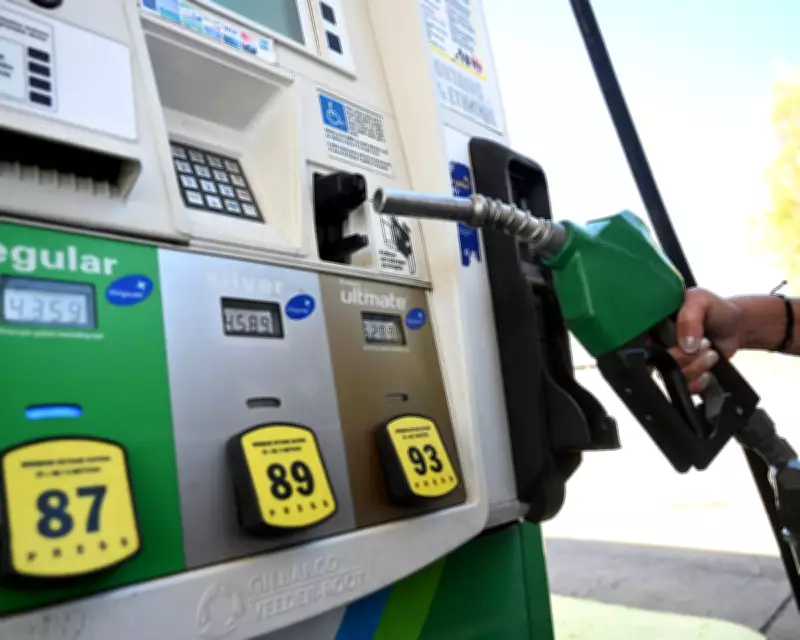
Average US gas prices have surged to a new high of $4.23 per gallon, the highest level since 2022 and a record since the onset of the war with Iran, according to the motor club AAA. The milestone comes as the price of Brent crude, the benchmark influencing US gasoline prices, now stands at $114.60 a barrel, nearly 25% higher than the recent low in mid-April. A year ago, US gas prices averaged $3.16 per gallon.
Hormuz Strait Blockade Threatens Global Oil Supply
The price spike is largely attributed to the ongoing conflict with Iran and the potential blockade of the Strait of Hormuz, a vital chokepoint for 20% of the world's oil. US officials are reportedly considering an extended blockade by the US and Iran to throttle Iran's economy, a strategy that Donald Trump has endorsed. According to a Wall Street Journal report on Wednesday, Trump told aides to prepare for a long blockade, viewing it as a less risky option than escalating the conflict with bombing or walking away without a nuclear deal.
The number of ships transiting the strait has plummeted to its lowest level since the war began. Data from Lloyd's List Intelligence shows only 35 transits during the week of April 20-26, down from 78 the previous week. Before the war, approximately 130 ships passed through daily.

Economic Impact and Consumer Confidence
Bank of America analysts warned in an NBC News report that a significant risk arises if higher gasoline and oil prices spill over into other necessities such as groceries and utilities, though evidence of this is currently limited.
Despite the price surge, US consumer confidence unexpectedly edged higher in April, reaching a four-month high, according to the Conference Board's survey on Tuesday. However, the survey also indicated that Americans are planning fewer vacations over the next six months, and the share of those intending to drive to holiday destinations is the lowest since April 2020.
On Tuesday, Trump claimed on Truth Social that Iran had informed the administration it is in a "State of Collapse" and wants the strait reopened. He later posted a doctored image of himself holding a gun with the caption "no more Mr. Nice Guy" and stated that Iran cannot get its act together to sign a nonnuclear deal.
Air Travel and Fuel Costs
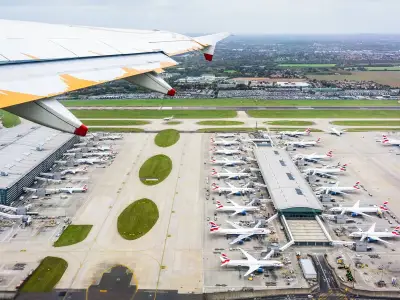
The rise in crude prices is also affecting air travel. Some carriers have raised prices, cut routes, and added additional fees as aviation fuel costs soar. According to the Platts Jet Fuel Price Index, fuel costs have increased by more than 70% since the start of the war. In Europe, jet fuel prices have risen nearly 84% since the conflict began on February 28.
Willie Walsh, head of the International Air Transport Association, told Reuters on Tuesday that there is a risk of fuel supply rationing, particularly in Asia and Europe. He noted that while the situation is a cost issue for airlines, underlying demand for aviation remains robust, which is a positive sign.
OPEC Dynamics
The gas price increases coincide with the United Arab Emirates' announcement on Tuesday that it will leave the OPEC oil cartel. This move is seen as a win for Trump, who has accused the group of "ripping off the rest of the world" by colluding to raise crude prices.
The combination of the Iran war, Hormuz Strait tensions, and seasonal factors such as refinery maintenance and the start of the spring-summer driving season has compounded the price increases, leaving consumers and industries bracing for further volatility.