United Flight Narrowly Avoids US Military Helicopter in California, FAA Launches Investigation
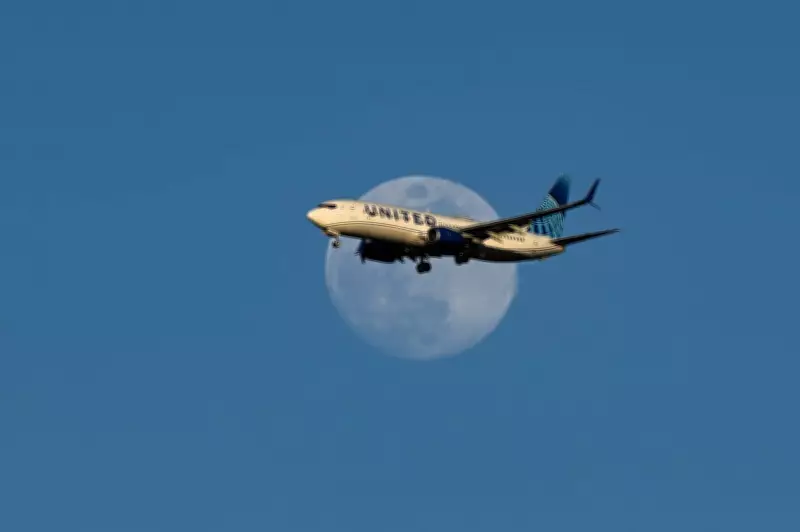
A United Airlines flight operating near John Wayne airport in southern California came perilously close to a US military Black Hawk helicopter on Tuesday evening, forcing the pilots to execute an emergency maneuver to avert a potential collision. The Federal Aviation Administration has confirmed it is investigating the alarming incident, which involved a passenger jet carrying 162 passengers and six crew members.
Dangerous Encounter During Descent
According to official reports, the close encounter occurred at approximately 8:40 PM local time as United Flight 589 was making its final approach to John Wayne airport in Orange County. Air traffic controllers had previously alerted the United pilots to watch for a military helicopter operating near the airport. The situation escalated when the aircraft's collision avoidance system triggered a resolution advisory—the most serious type of in-cockpit alert—directing the pilots to take immediate action.
The United pilots responded by stopping their descent and leveling off the aircraft, successfully avoiding the military helicopter that had crossed into their flight path. Data from FlightRadar24 indicates the two aircraft came within 525 feet vertically and 1,422 feet laterally at their closest point before the avoidance maneuver was completed.

FAA Scrutinizes New Safety Protocols
The Federal Aviation Administration released a statement on Friday confirming their investigation into whether recently implemented safety protocols were properly followed during the incident. This scrutiny comes just over a year after a tragic collision between an American Airlines jet and an army Black Hawk helicopter near Washington DC that claimed 67 lives—the deadliest aviation accident on US soil in more than two decades.
In response to that 2025 disaster, the FAA implemented significant policy changes in March requiring air traffic controllers to actively use radar systems to direct both helicopters and planes around airports nationwide. This marked a departure from previous procedures that relied more heavily on pilots visually identifying and avoiding other aircraft.
The FAA investigation will specifically examine whether these new radar-directed protocols were properly applied during Tuesday's close call in Santa Ana, California, and whether any temporary flight restrictions or training route limitations should have been in place.
Multiple Perspectives on the Incident
United Airlines issued a brief statement confirming the basic details of the incident, noting that their pilots had received both visual confirmation of the helicopter and the automated traffic alert before executing the avoidance maneuver. Archive recordings from the John Wayne airport traffic control tower, accessed via LiveATC.net, reveal a concerning exchange between the air traffic controller and the United pilot immediately following the near-miss.
When asked if he had received any reference to the helicopter or altitude restrictions, the pilot responded that he had received a resolution advisory. The air traffic controller acknowledged the seriousness of the situation, stating: "We're going to be addressing that, because that was not good."
A California National Guard spokesperson confirmed that the Black Hawk helicopter involved was based at Joint Forces Training Base Los Alamitos and had been conducting routine training before returning to base. The spokesperson emphasized that the helicopter was "at an assigned altitude while in communication with air traffic control" during the incident.
Broader Context of Aviation Safety Concerns
This latest close call occurred just two days after a separate aviation incident at LaGuardia airport in New York, where an Air Canada jet collided with a fire truck on a runway, resulting in the deaths of both pilots. These consecutive incidents have raised renewed questions about aviation safety protocols and the effectiveness of current collision avoidance systems.

The 2025 Washington DC helicopter-plane collision that killed 67 people had already prompted increased scrutiny of flight paths and regulations designed to prevent near-misses between aircraft. That tragedy exposed vulnerabilities in the previous "see and avoid" system, where air traffic controllers had asked helicopter pilots whether they had seen the approaching plane before approving their avoidance maneuver.
An airport spokesperson for John Wayne airport noted that since Tuesday's incident occurred in the air rather than at the airport facility itself, they could not provide additional information about the event. The investigation continues as aviation authorities work to determine what procedural or communication breakdowns may have contributed to the dangerous situation and how similar incidents can be prevented in the future.