UK Foreign Office Updates Travel Advice for 31 Countries Amid Middle East Escalation
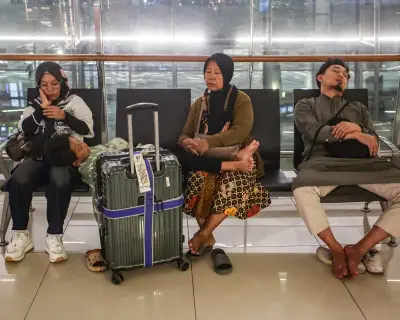
The UK Foreign, Commonwealth and Development Office (FCDO) has issued new travel warnings for 31 countries as escalating conflict in the Middle East causes widespread flight cancellations and airspace closures affecting British travelers. The updated guidance comes in response to increasing military actions and retaliatory measures that have disrupted global travel networks.
Widespread Travel Disruption and Safety Concerns
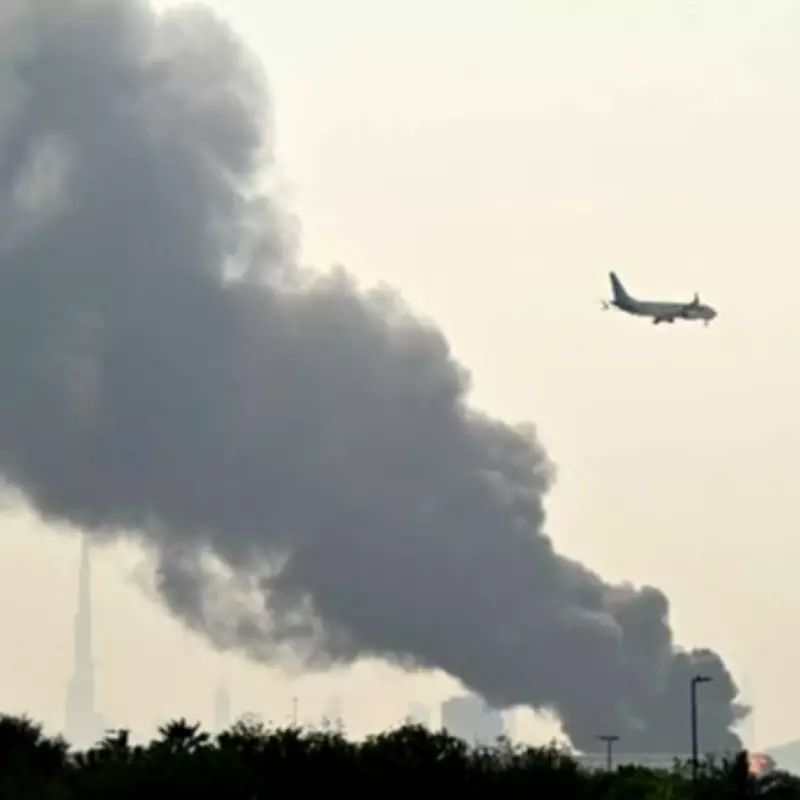
Israeli and American military operations against Iran in recent weeks have prompted retaliatory actions that have grounded thousands of flights, resulted in more than 2,000 deaths, and forced the closure of critical flight paths and shipping routes. The FCDO has published multiple warnings and guidance for British nationals intending to visit or currently located in impacted nations, with the most recent update covering 31 countries across Asia and the Pacific.
"Escalation in the Middle East has caused widespread travel disruption, including airspace closures, delayed and cancelled flights. Your travel plans may be affected, even if your destination is not in the Middle East," the guidance states. The FCDO recommends that UK passport holders check the latest advice before departing and remain vigilant about changing conditions.

Countries with Revised Travel Guidance
The updated travel warnings cover numerous nations across Asia and the Pacific region, including:
- Singapore
- Vietnam
- Philippines
- Thailand
- Australia
- Japan
- New Zealand
- India
- South Korea
- Malaysia
- Indonesia
- Bangladesh
- Cambodia
- Laos
- Nepal
- Sri Lanka
- Brunei
- Georgia
- Tajikistan
- Uzbekistan
- Maldives
- Fiji
- Papua New Guinea
- Samoa
- Solomon Islands
- Tonga
- Vanuatu
- Tuvalu
- Nauru
- Kiribati
- Marshall Islands
Humanitarian Impact and Regional Consequences
The conflict has resulted in significant humanitarian consequences across the region. More than 1,300 individuals in Iran have lost their lives during the conflict, while Israeli operations targeting the Iranian-backed Hezbollah militant organization in Lebanon have forced over 1 million people from their homes—approximately 20% of Lebanon's population—according to Lebanese authorities, who report more than 1,000 fatalities. Israel claims to have eliminated over 500 Hezbollah fighters.
In Israel, 15 individuals have died from Iranian missile attacks, while four people were killed overnight in the occupied West Bank by an Iranian missile strike. At least 13 U.S. military personnel have been killed in the conflict. Iran has also announced the execution of three men detained in January's nationwide protests, marking the first such sentences known to have been carried out since the conflict began.
Economic and Energy Sector Implications
Three weeks since the war began on February 28, Iran has intensified its attacks on oil and natural gas facilities around the Gulf region. These strikes, in retaliation for an Israeli attack on a key Iranian gas field, have sent fuel prices soaring and risk drawing Iran's Arab neighbors directly into the conflict. Tehran's targeting of energy production has further strained global supplies already under pressure because of Iran's stranglehold on the Strait of Hormuz, a strategic waterway through which approximately one-fifth of the world's oil is transported.
Since the U.S. and Israel launched military operations, Iran's top leaders have been killed in airstrikes and the country's military capabilities have been severely degraded. However, Iran—now led by the son of the supreme leader killed in the war's opening salvo—remains capable of missile and drone attacks that continue to rattle its Gulf Arab neighbors and threaten a global economy dependent on the energy they produce.
The FCDO continues to monitor the situation closely and advises British travelers to exercise extreme caution, stay informed about local developments, and follow official guidance when planning or undertaking international travel during this period of heightened regional instability.