
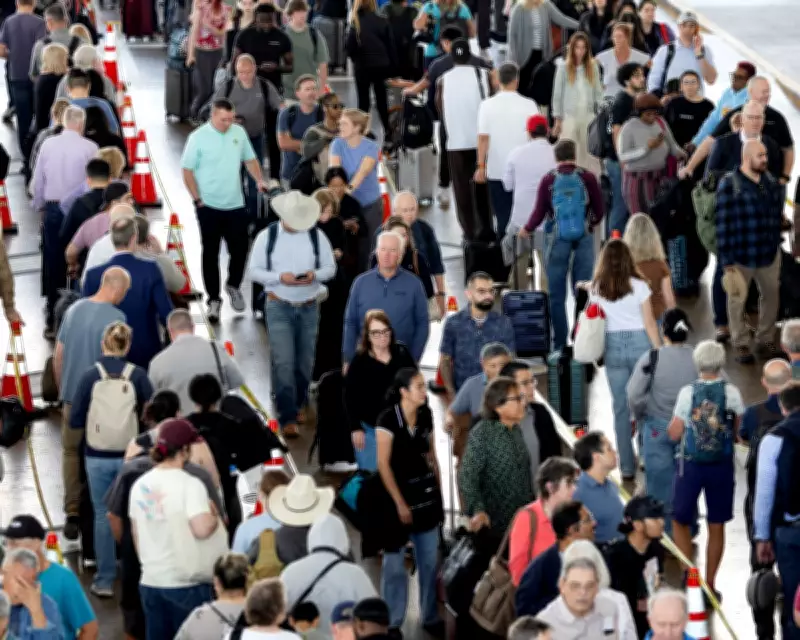
Passengers at George Bush Intercontinental Airport in Houston faced extensive queues on Wednesday, highlighting growing concerns about airport security staffing ahead of major international events. The scene captured in photographs reveals the tangible impact of ongoing challenges within US transportation security systems.
TSA Leadership Issues Dire Warning to Congress
Ha Nguyen McNeill, the acting head of the Transportation Security Administration, delivered sobering testimony before Congress on Wednesday, revealing that airports nationwide are experiencing the highest wait times in TSA history. The situation has been exacerbated by staff absences that have soared during an extended period of operational challenges.
"This is a dire situation," McNeill stated emphatically during her congressional appearance. "We are facing a potential perfect storm of severe staffing shortages and an influx of millions of passengers at our airports for the World Cup games in less than 80 days."
Training Timeline Creates Critical Gap
The most concerning aspect of the staffing crisis involves the extensive training required for transportation security officers. McNeill explained that new hires require four to six months of comprehensive training before they can effectively work security checkpoints. This timeline means that any personnel recruited now will not be operational until well after the conclusion of the 2026 World Cup tournament.
McNeill provided additional context about the scale of the problem, noting that her agency has experienced shutdowns for approximately 50% of the current fiscal year. This period includes last year's record-breaking 43-day lapse in federal funding that created significant operational disruptions.
Financial Impact on TSA Employees
The human cost of these operational challenges has been substantial. TSA employees have collectively missed out on approximately $1 billion in paychecks as various shutdowns and funding gaps have persisted into their sixth week. This financial strain has contributed to increased staff absences and morale issues within the agency.
Broader Political Context
The TSA's warnings come amid ongoing political disputes over Department of Homeland Security funding. The Senate remained deadlocked on Wednesday regarding legislation that would restart DHS operations, with disagreements between Republicans and Democrats creating legislative gridlock.
Meanwhile, other security-related developments included:
- A federal judge ordering the Trump administration to return a Deferred Action for Childhood Arrivals recipient to the United States after ruling her deportation violated legal protections
- The US Army implementing new recruitment policies that raise the maximum enlistment age to 42 and remove restrictions for single marijuana possession convictions
- Continuing discussions between US and Iranian officials regarding ceasefire proposals despite apparent rejections of initial plans
Additional Security and Travel Considerations
Beyond the immediate staffing concerns, several other factors could compound travel challenges during the World Cup period:
- The potential for increased security protocols around major sporting events
- Existing infrastructure limitations at many US airports
- Seasonal travel patterns that typically peak during summer months
- Ongoing political uncertainties affecting government agency operations
McNeill's testimony represents one of the most explicit warnings from a senior security official about the potential for significant travel disruptions during what should be a celebratory international event. Her characterization of the situation as a "perfect storm" underscores the multiple converging factors that could create unprecedented challenges for both domestic and international travelers.
The TSA's staffing crisis highlights broader issues within US transportation security infrastructure and raises important questions about preparedness for major international events. With the World Cup rapidly approaching, travelers are advised to plan accordingly and anticipate potential delays at security checkpoints across the United States.




