US Spring Break Travel Confronts Triple Threat of Delays, Fuel Spikes, and Storms
As millions of Americans gear up for spring break getaways, their travel plans are being jeopardized by a perfect storm of challenges. Airport security delays, soaring gas prices, and disruptive weather conditions are converging to create a chaotic travel landscape during what is expected to be a record-breaking season.
Record Passenger Numbers Amid Airport Chaos
The aviation industry is bracing for an unprecedented surge in travelers, with Airlines for America projecting that 171 million passengers will take to the skies this spring. This represents a 4% increase compared to the 2025 spring travel period, translating to an average of 2.8 million passengers daily from March 1 to April 30. Airlines have responded by adding 2% more flights and seats to accommodate the demand.
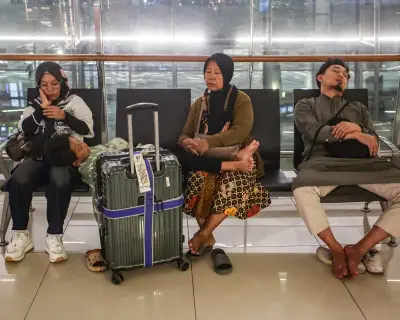
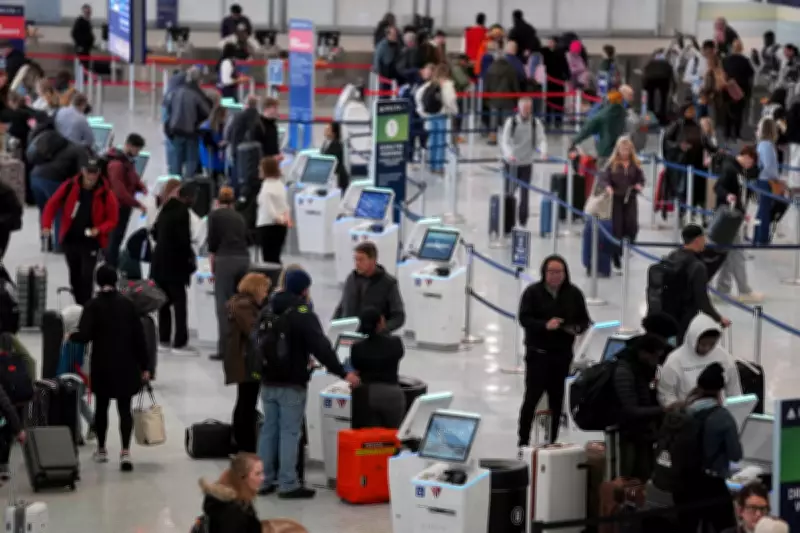
However, this influx is colliding with significant operational hurdles at airports nationwide. Transportation Security Administration (TSA) agents have been working without pay for weeks due to a funding lapse, leading to prolonged security lines at key travel hubs. The Department of Homeland Security, which oversees the TSA, has remained unfunded since mid-February, sparking a political standoff between Democrats and Republicans over immigration enforcement rules.

Cameron Cochems, vice-president of the American Federation of Government Employees Local 1127 and a lead TSA officer in Boise, Idaho, warned of escalating frustrations. "It's not sustainable, and what's going to happen is lines are just going to continue to get longer and longer as spring break goes on," he told the Hill. "Passengers are going to get more frustrated. They're going to take their anger out on us, even though we're not the ones in charge of any of this."
Fuel Prices Skyrocket Amid Geopolitical Tensions
For those opting to drive to destinations like sunny beaches or ski resorts, relief from airport delays comes at a steep cost. Gas prices have surged dramatically, driven by geopolitical instability linked to the Iran conflict. According to AAA, the average price for a gallon of regular-grade gasoline has jumped to $3.79, up from $2.92 a month ago and $3.08 a year ago.
Patrick De Haan, a prominent petroleum analyst, highlighted the financial impact on social media, noting that Americans are spending $330 million more on gasoline daily compared to a month ago. In some regions, prices have already exceeded $4 per gallon. This spike follows Iranian attacks on critical energy infrastructure, including the Shah natural gas field in the United Arab Emirates and oil facilities in Iraq, marking the first successful strikes on production sites. The closure of the Strait of Hormuz by Iran has further disrupted global oil and gas shipments, threatening to push prices even higher during the summer travel season.
Severe Weather Compounds Travel Disruptions
Adding to the turmoil, powerful storm systems have swept across the United States, dumping snow and rain along the East Coast and bringing fierce winds and freezing temperatures. These conditions have triggered thousands of flight delays and cancellations. Flight Aware data reports 3,255 delays and 975 cancellations for flights within, into, or out of the U.S., exacerbating the challenges for spring break travelers.
Even if travelers manage to navigate these obstacles, their vacation experiences may be dampened by local restrictions. In popular destinations like Panama City, Florida, authorities have implemented bans on alcohol consumption on beaches during March to maintain order. Police Chief JR Talamantez emphasized the effectiveness of these measures, stating, "Our Spring Break initiatives and ordinances have been proven effective in maintaining order and protecting our community from the chaos of the past."
As spring break unfolds, travelers are advised to prepare for a multifaceted travel crisis that blends logistical, economic, and environmental factors into a daunting journey ahead.