LaGuardia Pilots Issued Urgent Safety Warnings Months Before Fatal Runway Incident
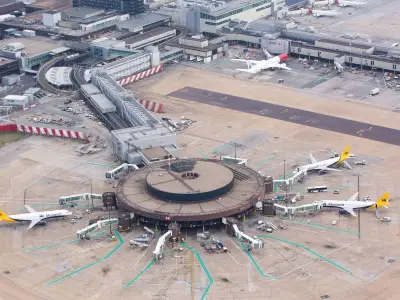
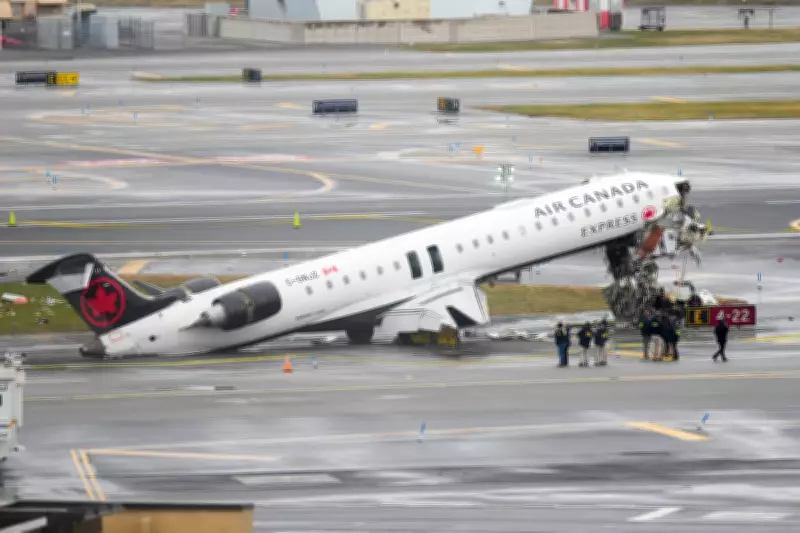
Officials from the National Transportation Safety Board are investigating the site where an Air Canada jet came to rest after colliding with a Port Authority fire truck at LaGuardia Airport in New York. This tragic event occurred on Monday, following months of pilot-reported safety alarms about close calls at one of the busiest airports in the United States.
Pilot Concerns Highlight Systemic Issues at Busy Airport
According to reports from NASA's Aviation Safety Reporting System, pilots had raised significant concerns about LaGuardia Airport's operations as early as the summer. One pilot explicitly warned, "Please do something," after air traffic controllers failed to provide adequate guidance during high-traffic periods. The pilot noted that the pace of operations was intensifying, with controllers "pushing the line" in a manner reminiscent of conditions before the January 2025 mid-air collision over the Potomac River in Washington DC, which resulted in over 60 fatalities.
In a detailed account, a pilot described a scenario where LaGuardia's control tower cleared an aircraft for takeoff while their plane was only 300 feet high on final approach to a different runway. Factors such as thick, smoky haze from Canadian wildfires and potential helicopter interference led the pilot to deem it safer to continue landing, narrowly avoiding a collision. The pilot concluded that air traffic control guidance lacked clarity on safe distances between aircraft, relying instead on the local controller's judgment.

Investigations Uncover Multiple Close Calls and Staffing Challenges
The collision involved an Air Canada Express flight from Montreal that struck an airport fire truck that had been cleared to cross the runway, resulting in the deaths of pilots MacKenzie Gunther and Antoine Forest and injuries to 41 others. Recordings reveal that after clearing the fire truck, the air traffic controller attempted to halt it, later admitting to an error due to handling an earlier emergency.
This incident has amplified fears about extreme stress on US airport operations, exacerbated by a shortage of air traffic controllers. Cuts during Donald Trump's administration have worsened staffing issues, compounded by ageing equipment and a partial government shutdown since mid-February, which has led to security screener shortages and long lines. Jennifer Homendy, chair of the NTSB, noted that an investigator was delayed for three hours by security lines in Houston, highlighting operational challenges.
Ongoing Scrutiny and Future Implications for Aviation Safety
Federal investigators have stated it is too early to answer all questions about the crash but promised more information would be released. The runway involved is expected to remain closed for days as debris is analyzed. Sean Duffy, the US transportation secretary, denied rumors of understaffing, asserting that LaGuardia had 33 certified controllers with a goal of 37, but declined to specify numbers on duty during the incident.
This is not the first collision at LaGuardia recently; in October, two Delta jets collided on a taxiway, and in July, a near-miss was reported when a plane was cleared to cross a runway as another aircraft was landing. These events underscore persistent safety issues that demand urgent attention to prevent future tragedies.