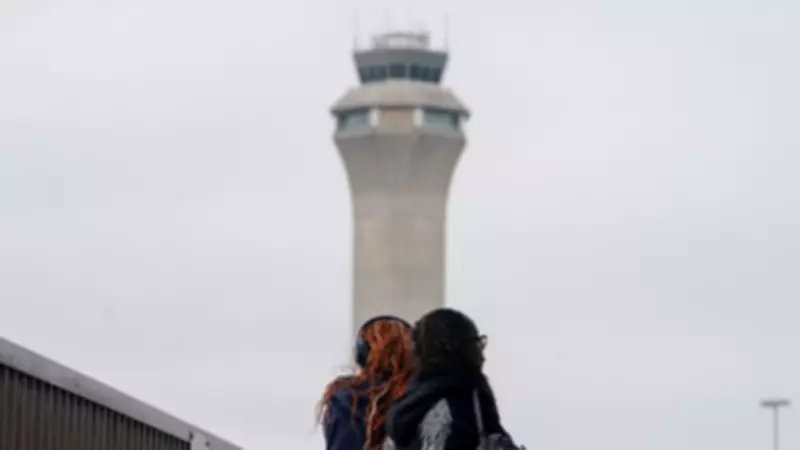
Newark Airport Control Tower Evacuated Amid Smoke Reports, Flights Temporarily Halted
In a significant disruption to air travel, the control tower at Newark Liberty International Airport in New Jersey was evacuated on Monday, March 23, 2026, following reports of smoke. The incident prompted a ground stop, temporarily pausing all arrivals and departures at this major airport serving the New York City area.
Details of the Evacuation and Ground Stop
According to the Federal Aviation Administration (FAA), the evacuation occurred at approximately 7:30 a.m. local time after air traffic controllers detected a burning smell emanating from an elevator within the tower. In response, the FAA implemented a ground stop, described as one of the most restrictive traffic management measures, which requires aircraft meeting specific criteria to remain on the ground. The agency initially predicted the stop would last until 12:30 p.m. local time, with potential delays extending into the afternoon.
However, the situation was resolved more quickly than anticipated. Controllers returned to the tower, and the ground stop was lifted approximately half an hour later, after air traffic control was briefly moved to an alternate location. The FAA's website noted that such measures can be airport-specific, airspace-specific, or equipment-specific, highlighting the severity of the disruption.

Context of Recent Aviation Incidents
This evacuation comes on the heels of a tragic aviation accident at New York's LaGuardia Airport, where an Air Canada plane crashed into a fire engine overnight. The crash resulted in the deaths of the pilot and co-pilot, with 41 people from the plane transported to hospitals. While some sustained serious injuries, 32 individuals were subsequently released, underscoring the broader challenges facing the region's aviation infrastructure.
Newark Liberty International Airport is a critical hub, ranking as the second-busiest among the three major airports serving New York City, behind John F. Kennedy International. The evacuation and ground stop highlight vulnerabilities in air traffic control systems and the swift response protocols in place to ensure safety.
Impact and Broader Implications
The temporary halt in operations at Newark Airport caused significant delays and disruptions for travelers, emphasizing the interconnected nature of aviation networks. Authorities continue to investigate the source of the burning smell, with no immediate reports of injuries or major damage from the evacuation itself.
This incident serves as a reminder of the importance of robust safety measures and emergency preparedness in busy aviation environments. As updates emerge, stakeholders are monitoring the situation closely to prevent future occurrences and maintain the efficiency of one of the nation's key transportation nodes.