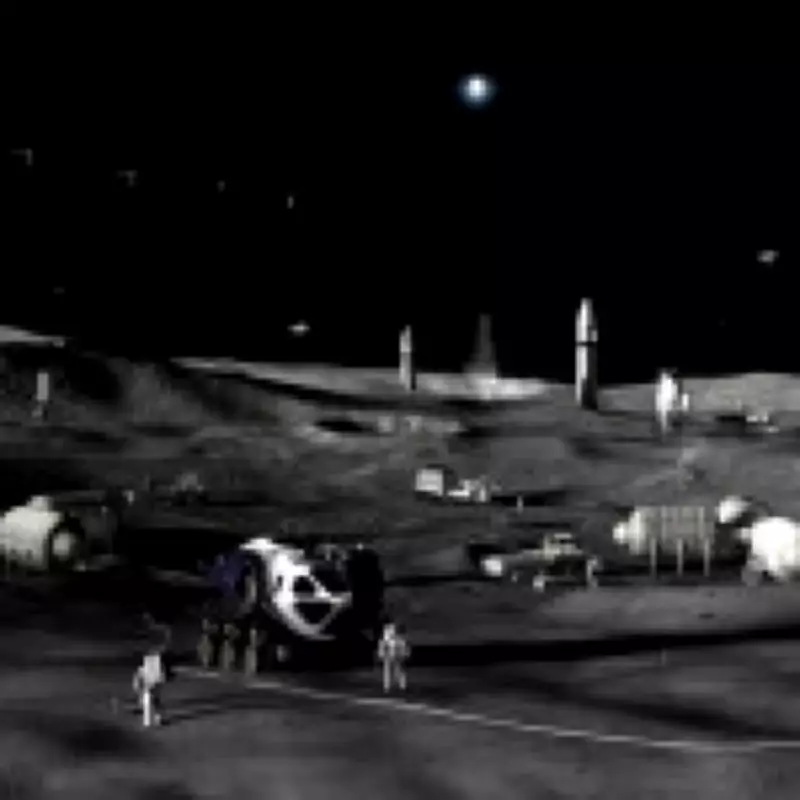
Nasa has unveiled new details of its ambitious lunar outpost, a $15 billion base planned for the moon's South Pole, with construction set to begin by 2032. The US space agency released concept images showing astronauts exploring the moon's surface, driving sleek buggies, and living in Tic Tac-shaped buildings powered by nuclear and solar energy.
Return to the Moon
Nasa Administrator Jared Isaacman announced at a press conference that America is returning to the moon. He emphasized the challenges ahead, noting that astronauts have only accumulated about 80 hours of extravehicular activity on the lunar surface during the Apollo missions more than half a century ago. The $20 billion facility is the first step in establishing a foothold on another world, with Mars as the ultimate goal.
Building a Lunar Economy
Isaacman, a billionaire entrepreneur who has traveled to low-Earth orbit, stressed the importance of mastering skills on the moon before attempting Mars missions. He envisions a lunar economy that goes beyond taxpayer funding, involving private sector partnerships. The outpost will be one of several, and cave exploration may also play a role in astronaut training.

Three-Phase Construction Plan
The moon base will be built in three phases. Phase one, already underway with missions like Artemis II, aims to send humans to the lunar surface for the first time since Apollo 17 in 1972. This phase includes 25 launches and 21 landings for research and groundwork. Phase two, planned for 2029 to 2032, will build infrastructure for months-long missions. Phase three, from 2032, will maintain a continuous human presence on the moon, similar to the International Space Station.
Private Sector Involvement
Nasa is heavily relying on private contractors. Lunar Outpost and Venturi Astrolab have been awarded $220 million to develop lunar terrain vehicles (LTVs). These 1,000kg buggies can carry two astronauts and can also be remotely controlled from Earth. Carlos García-Galán, head of Nasa's lunar settlement program, aims to have these vehicles ready for the Artemis IV mission in 2028.
The moon's harsh environment, with temperatures ranging from 250°C in sunlight to -250°C at night, poses significant challenges. Isaacman noted that the base must be designed to withstand these extremes. The project represents a monumental step in space exploration, with the potential to pave the way for future human missions to Mars.