ICE Agents to Assist at US Airports as Government Shutdown Strains TSA
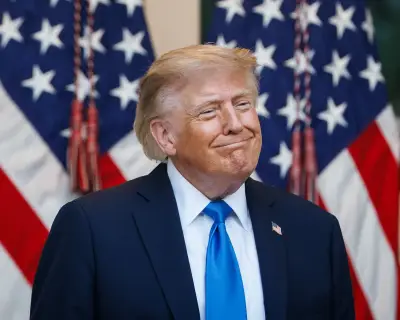
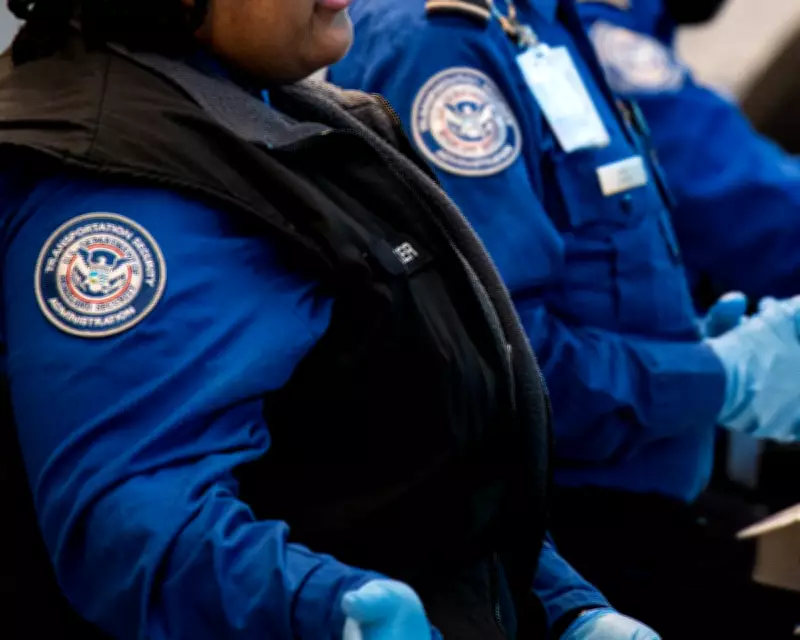
The Trump administration has confirmed that Immigration and Customs Enforcement (ICE) agents will be deployed to U.S. airports beginning Monday to help manage security lines and support Transportation Security Administration (TSA) agents, who have been working without pay since February 14 due to a partial government shutdown. President Donald Trump announced the plan on Sunday via Truth Social, stating that ICE will assist "wonderful TSA Agents" who have remained on duty despite the shutdown, which stems from a Senate deadlock over stricter federal immigration enforcement regulations.
Details of the Deployment and Responsibilities
Tom Homan, Trump's border czar, will lead the effort and appeared on CNN's State of the Union to confirm the deployment, saying, "We will be at the airports tomorrow." However, specifics about the ICE agents' roles remain unclear, with Homan noting that details were still being finalized. He suggested that ICE officers could handle tasks like guarding exits to prevent unauthorized entry, allowing TSA agents to focus on screening and reducing wait times. Homan emphasized that ICE agents are not trained to operate X-ray machines or perform specialized security functions, but their presence could free up TSA personnel for critical duties.
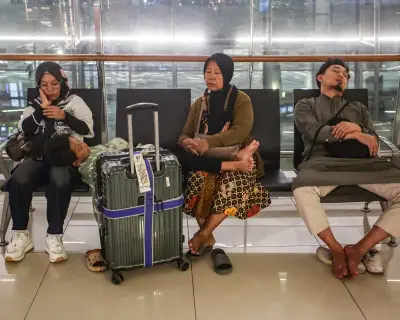
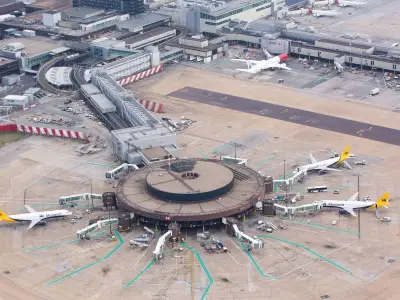
The move comes as TSA faces significant challenges: over 400 agents have left their jobs since the shutdown began, and others are calling out sick, leading to crippling, hours-long waits at security checkpoints nationwide. Images from airports such as New Orleans and New York's LaGuardia have shown lines extending into parking lots, highlighting the urgency of the situation. Homan described the plan as a "work in progress," prioritizing large airports with wait times of up to three hours, and pledged to finalize deployment details by Sunday evening.

Political and Safety Concerns Raised by Critics
The deployment has sparked immediate backlash from politicians, union leaders, and advocacy groups. Senate Democrats have blocked funding for the Department of Homeland Security (DHS), which oversees TSA, seeking reforms after immigration agents killed U.S. citizens Renee Good and Alex Pretti in Minneapolis in separate January incidents. Critics argue that sending ICE agents to airports could exacerbate tensions and pose safety risks.
Lisa Murkowski, a senator from Alaska, called the plan a "bad idea," urging instead to resolve DHS issues and pay TSA agents. Hakeem Jeffries, the U.S. House's Democratic minority leader from New York, strongly opposed the move on CNN, warning that "untrained ICE agents" could "brutalize or in some instances kill" people, citing past conduct. Everett Kelley, president of the American Federation of Government Employees representing over 50,000 TSA workers, condemned the plan, stating that ICE agents lack aviation security training and certification, and TSA agents deserve payment, not replacement by potentially dangerous personnel.
Broader Implications and Union Responses
A joint statement from U.S. flight attendant unions criticized the failure to pay TSA workers and the decision to "create havoc in our airports," calling the ICE deployment a distraction from real solutions. They vowed not to allow TSA agents to be used as pawns and emphasized the need for an aviation system that prioritizes safety. Trump had previously boasted on Saturday that ICE agents would "do security like no one has ever seen before," but opponents highlight that ICE's history includes civil rights violations and immigration crackdowns, raising concerns about their suitability for airport roles.
As the shutdown continues, the deployment of ICE agents underscores the deepening crisis in U.S. airport security, with unpaid TSA agents struggling to maintain operations amid political gridlock. The situation remains fluid, with ongoing debates over funding, safety, and the appropriate use of federal resources in aviation security.