Guatemala and the United States have launched a significant joint military operation aimed at dismantling drug trafficking networks operating within Guatemalan territory. The collaboration, announced on May 28, 2026, marks an escalation in efforts to curb the flow of narcotics through Central America, a key transit route for cocaine and other drugs destined for the US market.
Operation Details
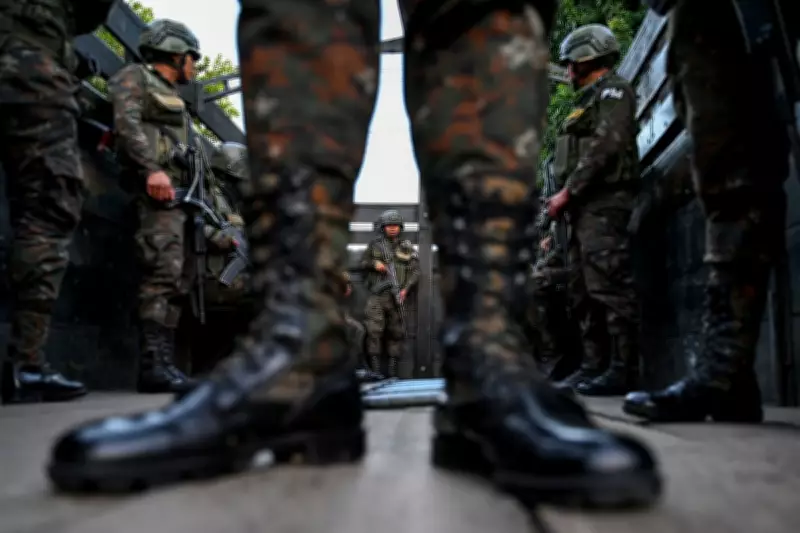
The operation involves the deployment of US military personnel and resources to support Guatemalan security forces in remote, jungle-covered regions that have long served as safe havens for drug cartels. These areas, often beyond the effective control of the state, have become hubs for clandestine airstrips and riverine transport used by traffickers. The joint task force will focus on intelligence sharing, aerial surveillance, and ground patrols to intercept drug shipments and dismantle cartel infrastructure.
US officials have emphasized that the mission is strictly counter-narcotics and does not involve combat roles, though American troops will provide training and logistical support. The Guatemalan government has welcomed the assistance, citing the need for advanced technology and expertise to penetrate the cartels' sophisticated networks.

Strategic Importance
Guatemala's location makes it a critical node in the global drug trade. Cocaine produced in South America is often transported through Guatemala via land, sea, and air routes before reaching the United States. The country has struggled with corruption and weak institutions, which have allowed trafficking organizations to operate with relative impunity. This joint operation aims to disrupt those networks by targeting their logistical and financial operations.
According to analysts, the partnership reflects a broader US strategy to shift from unilateral interventions to cooperative efforts with regional allies. By building local capacity, the US hopes to create sustainable security improvements that outlast any temporary military presence.
Local Impact
Residents in affected areas have expressed mixed feelings. Some welcome the increased security, hoping it will reduce violence and extortion by cartels. Others fear that a heavy-handed military response could lead to human rights abuses or displace communities. The Guatemalan government has pledged to conduct operations in accordance with international law and to prioritize civilian protection.
Environmental concerns have also been raised, as the operation will take place in ecologically sensitive rainforests. Officials say they will take measures to minimize ecological damage, but activists remain skeptical.
Broader Context
The operation is part of a larger US effort to combat drug trafficking in the Western Hemisphere, where fentanyl and other synthetic opioids have driven a public health crisis. While the focus has often been on Mexico and Colombia, Central America has become an increasingly important battleground. The Biden administration has sought to balance enforcement with prevention and treatment, but critics argue that militarization alone cannot solve the drug problem.
Guatemala, meanwhile, faces other challenges, including poverty, migration, and political instability. The joint operation is unlikely to address these root causes, but it may provide a short-term boost to security and cooperation between the two countries.