Exclusive: Formula 1 Teams Scramble to Retrieve Stranded Freight Amid Middle East Crisis
Formula 1 teams are facing a critical logistical crisis as key racing components remain trapped in the Middle East following the closure of the Strait of Hormuz and escalating regional tensions. The situation has already forced the postponement of both the Bahrain and Saudi Arabia Grands Prix, with potential cancellations looming, creating significant gaps in the racing calendar between upcoming events in Japan and Miami.
Shipping Routes Paralyzed by Regional Conflict
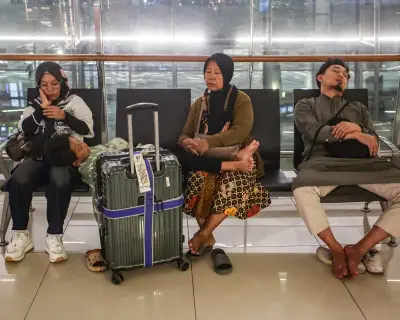
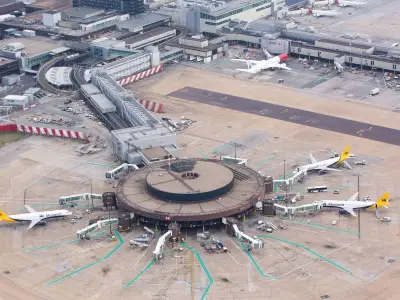
The Iranian regime's closure of the vital Strait of Hormuz shipping route, combined with airline hesitancy to operate in United Arab Emirates, Qatar, and Bahrain airspace, has left multiple Formula 1 teams with essential freight grounded. Some of this equipment originated from pre-season testing in Bahrain, while other shipments became entangled in diverted traffic when races were abruptly cancelled.
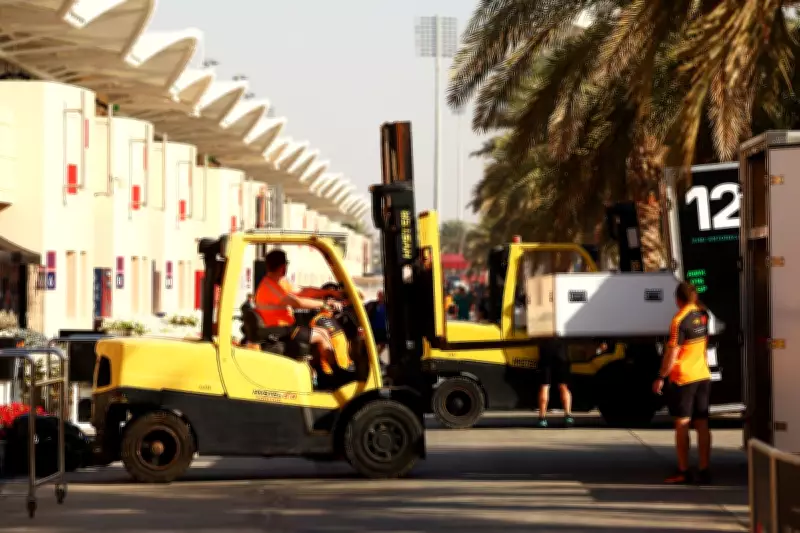
Insiders from one affected team, speaking anonymously, confirmed their operations have been disrupted, with multiple other teams understood to be facing similar challenges. The freight includes both critical racing components and non-essential equipment, all vital for maintaining competitive operations throughout the demanding Formula 1 season.

Complex Logistics Under Extraordinary Pressure
A former Formula 1 team boss explained the normal logistical approach: "Teams typically separate freight shipments between Australia and the Middle East, sometimes leaving equipment behind after Bahrain testing. While Formula 1 has experience managing complex scenarios and can adapt quickly, this represents an unprecedented logistical challenge that requires immediate solutions."
Teams are currently exploring all available options to extract their freight from the region, considering both air and sea transportation alternatives despite limited availability and heightened security concerns.
Potential Season-Long Consequences
Senior logistics economist Rico Luman from ING warned that the disruptions could extend far beyond immediate race cancellations. "The uncertainty surrounding the Middle East crisis duration creates additional complications," he noted. "Fans may become reluctant to book tickets for late-season events in Qatar and Abu Dhabi, potentially affecting overall race business and attendance numbers."
Luman emphasized the broader implications: "Middle Eastern airports like Dubai and Doha serve as crucial global freight connection points, particularly for routes to Australia and Southeast Asia. With approximately twenty percent of global capacity currently grounded, immediate freighter availability faces significant limitations."
Dual Transportation Challenges
Most Formula 1 equipment typically travels by air to meet tight scheduling requirements, but substantial amounts of non-critical components move via sea transport. Some containerized equipment already in transit has been affected by general shipping disruptions, with freight originally destined for the Middle East being discharged at alternative ports, creating further logistical complications for future shipments throughout the racing season.
Formula 1 organizers maintain plans to return to the Middle East later this season, with races scheduled in Qatar and the United Arab Emirates during November and December. The possibility remains that Bahrain and Saudi Arabia events could be rescheduled rather than cancelled entirely, but current freight recovery efforts take priority as teams work to maintain competitive operations amid unprecedented logistical challenges.