Dubai Airport Disrupted by Drone Strike as UK Issues Travel Warning
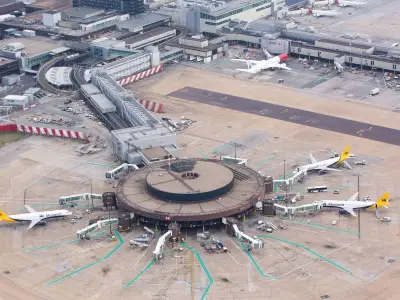
Flights from Dubai International Airport, one of the world's busiest aviation hubs, have been severely disrupted following a drone attack that ignited a fire near the facility. The incident has prompted renewed safety concerns and travel advisories from the UK government amid ongoing regional tensions.
Airport Operations Temporarily Suspended
The Dubai Civil Aviation Authority implemented a temporary suspension of operations around 1:30 AM local time as a precautionary measure to ensure passenger and staff safety. Dubai's Media Office confirmed that civil defense teams successfully contained the fire and reported no injuries from the incident.
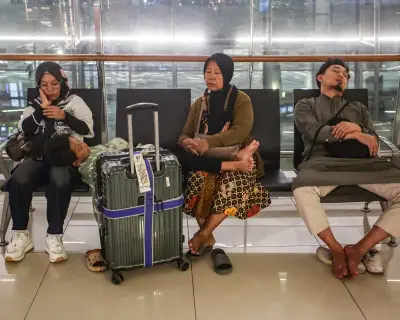
Several flights were diverted to Al Maktoum International Airport during the disruption. While operations are gradually resuming to selected destinations, the vast majority of departures remain delayed according to flight tracking data. Passengers are advised to check directly with their airlines for the latest flight updates and schedule changes.

UK Foreign Office Travel Advisory
The UK Foreign, Commonwealth & Development Office continues to warn against all but essential travel to the United Arab Emirates, including Dubai, due to ongoing conflict in the Middle East region. The advisory extends to neighboring countries including Bahrain, Kuwait, and Qatar.
British citizens currently in or planning travel to the UAE are urged to register their presence with the Foreign Office. This official warning means travelers with booked holidays or flights to the UAE should be eligible for refunds or rebooking options from airlines and tour operators.
Regional Context and Safety Concerns
The drone strike occurs amid heightened regional tensions more than two weeks after the United States and Israel launched what they described as a major military operation against Iran. Dubai's strategic location across the Gulf from Iran, combined with its concentration of international interests, has made it particularly vulnerable to regional conflicts.
Since hostilities began on February 28, the UAE Ministry of Defence has reported six fatalities, including four civilians and two military personnel who died in a helicopter crash attributed to technical malfunction. Airports, skyscrapers, and luxury hotels including the iconic Burj Al-Arab have experienced falling debris from missiles in recent weeks.
Flight Status and Traveler Options
While flights are gradually resuming, significant disruptions continue. The 13:25 flight from Dubai to London Heathrow remains scheduled for on-time departure, but many other routes face delays or cancellations. Major airlines including British Airways, Emirates, and Etihad are rebooking passengers onto flights scheduled for next week, though uncertainty remains about whether these departures will proceed as planned.
Travelers should:
- Contact their airline or tour operator immediately for rebooking options
- Review individual travel insurance policies for coverage details
- Monitor official Foreign Office advice for updates
- Consider postponing non-essential travel to the region
Dubai's Tourism Impact
The timing is particularly challenging for Dubai, which welcomed 19.5 million international visitors in 2025, making it the world's sixth most visited city. British tourists represent a significant market, with 1.32 million UK visitors in 2024 marking a 14% year-over-year increase.
Located approximately 130 kilometers (80 miles) across the water from Iran, with Saudi Arabia and Jordan separating it from Israel by 2,660 kilometers (1,652 miles), Dubai's geographical position leaves it exposed to regional conflicts despite its reputation as a global tourism and business hub.
The situation remains fluid, with authorities monitoring developments closely. Travelers are advised to exercise extreme caution and stay informed through official channels as the security landscape continues to evolve in the Middle East region.