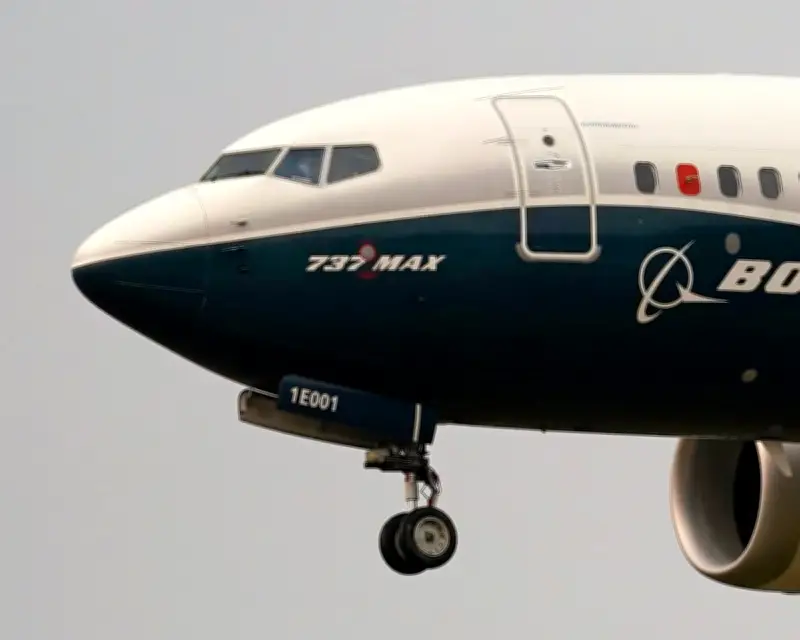
The Federal Aviation Administration (FAA) has issued an airworthiness directive requiring inspections of Boeing 737 Max fuselages for potential cracks, a move that will affect an estimated 471 aircraft. The directive, announced on Thursday, follows the discovery of cracks in a component called the bear strap – sheets supporting the fuselage around the exit doors – on older Boeing 737 Next Generation models.
Scope and timing of inspections
The inspections are scheduled to begin in September and will apply to all Boeing 737 Max aircraft in the US fleet. The FAA's directive mirrors a similar regime introduced for the 737 Next Generation models back in 2021. While no cracks have been found yet in 737 Max planes, the FAA noted that the similar design and build process makes the model susceptible to developing them over time.
In its statement, the FAA warned that without action, the issue could "lead to the inability of a principal structural element to sustain limit loads and adversely affect the structural integrity of the airplane."

Boeing's response and background
A Boeing spokesperson said the company had been working with airlines operating 737s for several years, after first identifying and notifying them of the issue in 2019. "The FAA airworthiness directive published today mandates the inspections, as it did for the 737 Next Generation," the spokesperson said on Thursday. "We support both directives and continue to support our airline customers."
Boeing added that the inspections would provide multiple opportunities to identify and correct problems before any cracks exceed critical length, and it was working through engineering changes to address the root cause.
Heightened scrutiny on Boeing
The directive comes amid intensified scrutiny of Boeing's engineering problems, particularly since the 737 Max's troubled entry into service. The model was grounded worldwide after two fatal crashes in 2018 and 2019 that killed hundreds of passengers. In 2024, a panel blew out of a 737 Max mid-flight for Alaska Airlines, raising further concerns about production quality.
Ryanair, Boeing's largest customer for the 737 Max, has even sent engineers to Boeing's US factories to oversee the delivery of planes it ordered, reflecting ongoing concerns about production standards.
Industry impact and next steps
The inspections are expected to place an additional burden on airlines, which will need to schedule downtime for the checks. However, the FAA's directive is seen as a precautionary measure to ensure the continued airworthiness of the 737 Max fleet. Boeing's engineering changes aim to eliminate the root cause of the cracking issue, which could prevent future problems.
As the aviation industry continues to monitor the situation, the FAA's action underscores the importance of rigorous safety oversight. Airlines operating the affected aircraft will need to comply with the directive to maintain their operating certificates.