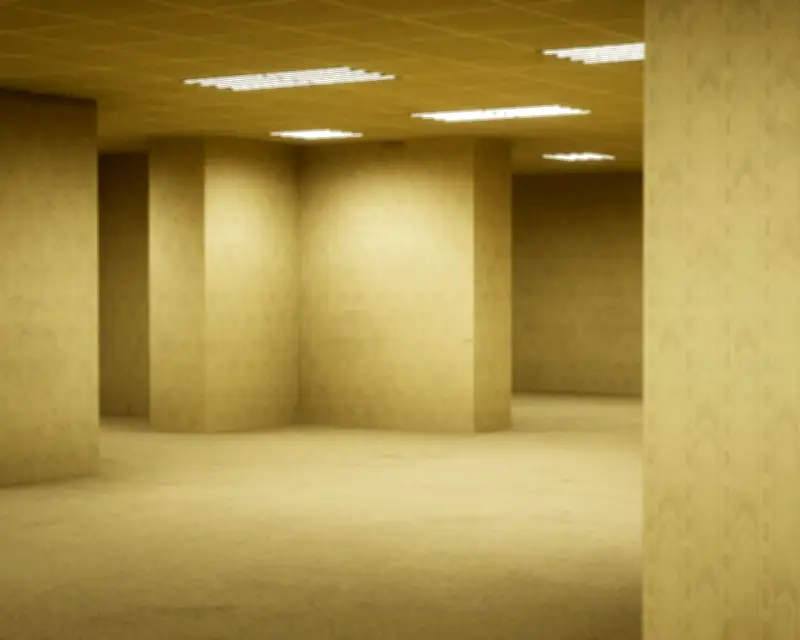
Video games are increasingly obsessed with the Backrooms, a concept that originated from a 2019 online creepypasta depicting endless, dimly lit office spaces. According to a new analysis by gaming research firm Newzoo, over 50 games released in 2025 alone feature Backrooms-inspired settings, up from just a handful in 2020. The trend reflects a broader fascination with liminal spaces—transitional or empty areas that evoke a sense of unease.
What Are the Backrooms?
The Backrooms are described as a labyrinth of monotonous, yellow-walled rooms with fluorescent lighting, often accompanied by a humming sound. The original image, shared on 4chan, sparked a collaborative mythos involving multiple levels and entities. Games like The Backrooms: Level 0 and Escape the Backrooms have gained millions of downloads on platforms like Steam and itch.io. “The appeal lies in the atmosphere of isolation and the unknown,” said Dr. Emily Carter, a media psychologist at the University of Bristol. “Players are drawn to the tension of exploring a space that feels familiar yet deeply wrong.”
Impact on Game Design
Developers are leveraging the Backrooms aesthetic to create immersive horror experiences without relying on jump scares. Instead, they focus on environmental storytelling and psychological dread. For instance, Liminal, a 2025 indie hit, uses procedural generation to create infinite office corridors, with players solving puzzles to escape. The game sold over 200,000 copies in its first month, according to developer Studio Void. Major studios have also taken notice: Electronic Arts reportedly has a Backrooms-style game in development, though details remain scarce.

Cultural Resonance
The Backrooms phenomenon taps into collective anxieties about modern life, such as corporate monotony and digital isolation. “It’s a metaphor for feeling trapped in a system without purpose,” said Carter. Social media platforms like TikTok have amplified the trend, with #backrooms amassing over 5 billion views. This cross-platform popularity has fueled demand for interactive interpretations. As the genre matures, experts predict a diversification of settings, such as abandoned malls or empty airports, while maintaining the core sense of liminal dread.